dailynewsnblog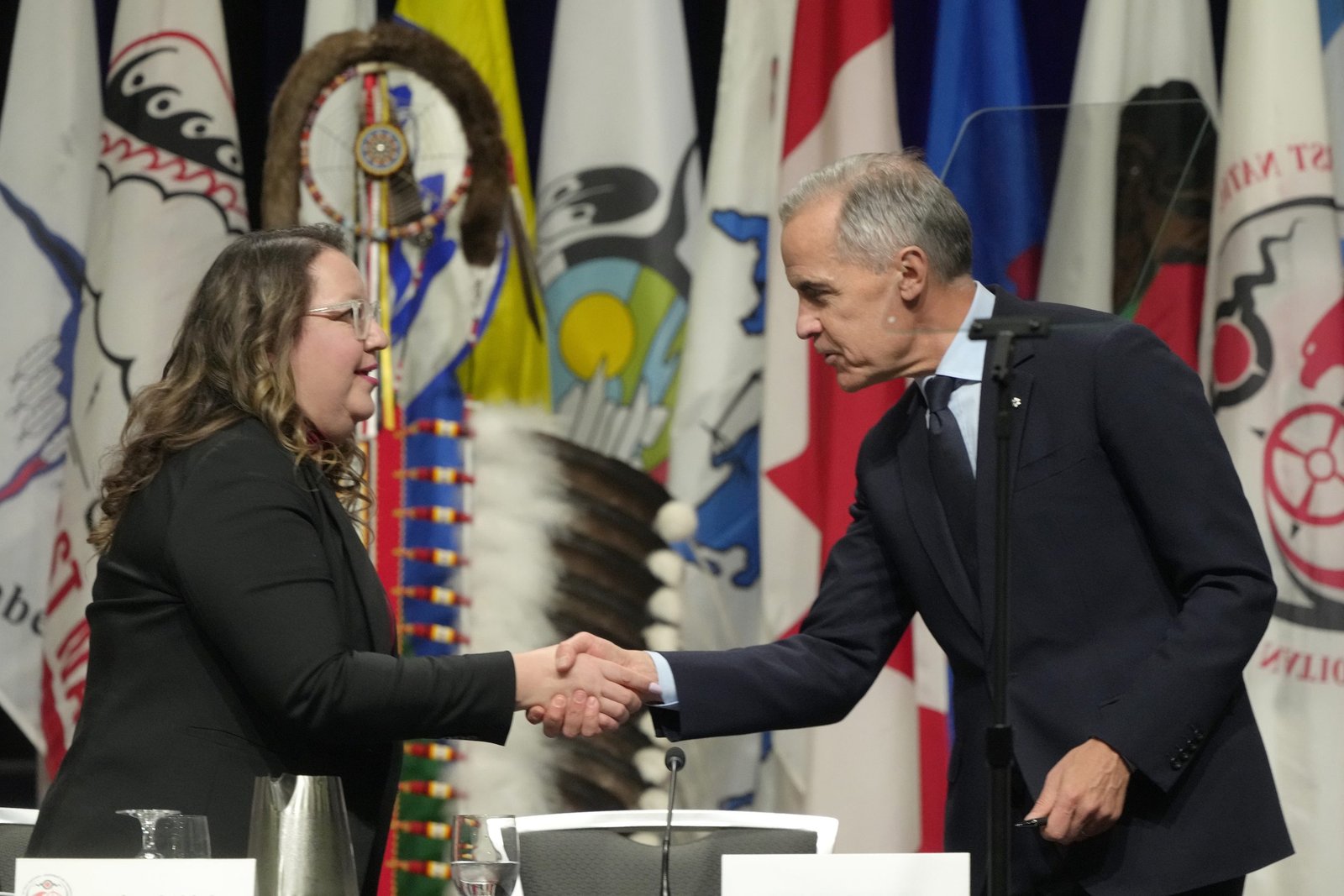
“Are you too good to come talk to our chiefs?” The AFN national chief says she’s stopped inviting the Major Projects Office CEO Dawn Farrell after previous requests went unanswered.
The head of the Assembly of First Nations, Cindy Woodhouse Nepinak, criticized the federal Major Projects Office’s handling of First Nations during a press conference Tuesday.
“I’m going to say it outright: they don’t know what they are doing when it comes to First Nations,” she said.
National Chief Woodhouse Nepinak says Major Projects Office CEO Dawn Farrell has turned down repeated chances over the past year to speak to chiefs and assemblies.
“Why, you’re too good to come and talk to our chiefs? Stay at home, stay in Calgary,” she said, adding that she’s stopped bothering to invite the agency’s leadership altogether.
She said she’s hearing the same thing from chiefs across the country, with the federal agency sending junior staff to meetings instead, which isn’t “helping the relationship” between those communities and the Major Projects Office.
READ MORE: Indigenous advisors of Major Projects Office reject tokenism claims, say work is meaningful
The Major Projects Office has an Indigenous Advisory Council that meets at least four times a year and offers guidance to the special government agency. In the past, the members on that council were not briefed on key developments involving the office, including the Memorandum of Understanding between Alberta and Ottawa.
The criticism from the AFN comes as the Carney Liberals push to pass their Building Canada Strong bill, introduced on the opening day of the House sitting.
READ MORE: Indigenous Advisory Council member worries Major Projects Office won’t take group’s advice
The Assembly of First Nations’ lawyers are still reviewing the proposed legislation, and Woodhouse Nepinak said she wasn’t able to comment on the bill yet, since her briefing from the federal government wasn’t scheduled until late Tuesday morning.
She previously called the discussion paper released in May “not acceptable” and said it trampled on the rights of First Nations. Nearly every element of that paper — save for changes to the Species at Risk Act — ended up being tabled in Monday’s bill.
Asked whether she felt the federal government had taken First Nations’ feedback into account during consultations, Woodhouse Nepinak said there were a lot of “contradictions,” but didn’t go into further detail.