dailynewsnblog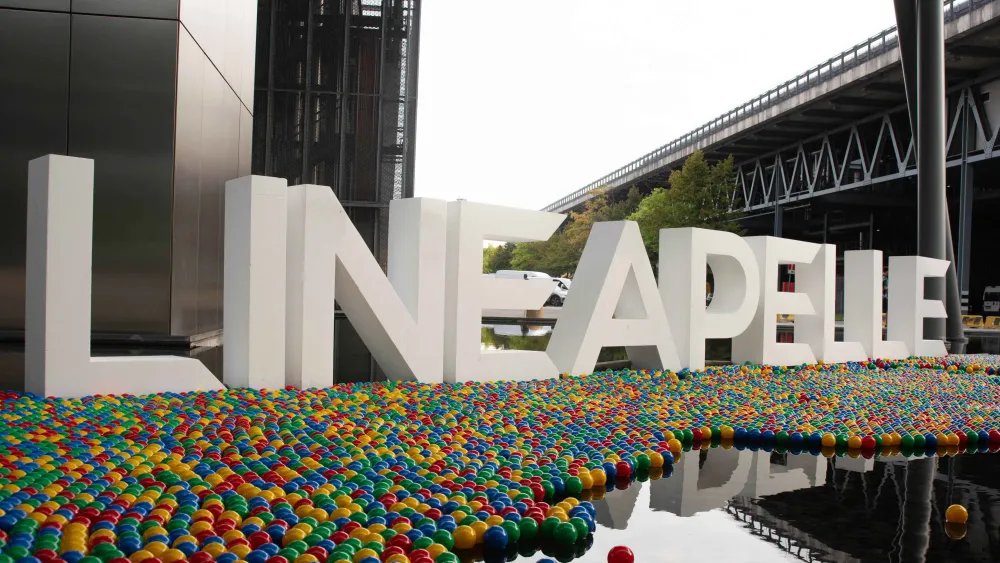
MILAN — Italy’s tanning industry has yet to emerge from a downturn that has dragged on for four years. During the Lineapelle trade show which ran Tuesday to Thursday, UNIC, Italy’s tanners’ association reported a 6.4 percent decline in turnover and a 5.2 percent drop in production volumes in the first half of 2026 compared with the same period last year.
The situation, UNIC said, continues to reflect geopolitical uncertainty and persistent inflation, which is tightening consumer spending on fashion, furniture and automotive products.
Italian leather exports fell 4.9 percent overall in value during the period. Of the country’s top 20 export markets, only France, Portugal, Turkey and Cambodia recorded stable or positive performances. France led growth at 8 percent, followed by Cambodia at 40 percent and Turkey at 2 percent.
Exports declined across other major markets, including Spain, Vietnam, Germany, China, the U.S., the U.K., South Korea and India.
The industrial side of Italy’s leather supply chain generated just under an estimated 30 billion euros in 2025, according to a February estimate by UNIC.

Goretti’s “petal effect” at Lineapelle.
SAVERIO LOMBARDI VALLAURI
A Balancing Act
Visitors to the fair rose to 22,800 versus 21,433 in September of last year. Exhibitors at Lineapelle, which took place at Fiera Milano Rho tradegrounds, totaled 1,029, spanning leather, accessories, components for the fashion, luxury, interior design and automotive industries. Leaders contented that in addition to geopolitical challenges, they have been impacted as luxury brands struggle to restore client loyalty following a period of rampant price hikes and even some lapses in quality. In response to the slowdown, suppliers struggled to keep their prices in line for their business to business clients.
“[We increased] our prices by 1 percent, while brands increased their prices by 8 percent. It would be historically inaccurate to say that final consumer prices rose simply because the cost of processing or raw materials increased,” said MinervaHub’s chief executive officer Alessandro Corsi. MinervaHub, which was established in 2022 to protect and support Italian manufacturers in the country’s supply chain, is home to 21 companies — among them tanneries like Pisa-based Conceria Zuma Pelli Pregiate, bijoux for fashion firms Deadema and hi-tech heel manufacturer LTM — said their first-half 2026 performance was broadly in line with the same period last year.

Fall 2027 alligator hides from Zuma Pelli Pregiate.
SAVERIO LOMBARDI VALLAURI
Building Trust
Regaining consumer confidence in luxury was the cornerstone of a talk hosted by C.L.A.S.S. (Creativity, Lifestyle and Sustainable Synergy), a Milan-based eco-hub founded in 2007 by Giusy Bettoni. At the Rho Fiera trade grounds, C.L.A.S.S. unveiled its InsideOut, a campaign that was created to promote new values for consumers.
The campaign highlights core values like transparency and traceability, in addition to environmental responsibility, circular-economy initiatives and ingredients. “Trust has emerged as the new luxury” across the fashion and accessories industry, Bettoni commented.
Veneto-based Dani, which has been producing leather for the automotive and fashion industries since 1950, said that as economic challenges have increased, the firm has invested in research and development.
The company now has a dedicated sustainability department with seven environmental engineers working on certifications and related initiatives, Alessia Zaramella, Dani’s marketing and communications director explained, adding that they became the first tannery to measure their carbon footprint in 2011.
“Italian companies are recognized worldwide for producing beautiful, high-quality products. But how products are made is just as important as how they look,” she said. Dani booked 114 million euros in revenue in 2025 and generates 80 percent of its sales worldwide.
Likewise, Limonta, which specializes in weaving, textile ennoblement and coating for leather, has invested in research and development and data reporting. One main facet of their research has been dedicated to understanding the risks of a product’s end-of-life, said Paolo Rambaldini, the firm’s research and development director.
“When this expertise is combined with data on product returns — information typically held by brands — we can better understand what the market wants and how durable consumers expect a product to be. That, in my view, is the true meaning of quality,” he said.

Fall 2027 collections at Lineapelle.
Courtesy of Lineapelle
In terms of new launches, Swarovski unfurled its fall 2027 collection named “Stage of Life,” a collection envisaged to help designers create a sense of emotion and even drama with their collections. Swarovski introduced the iridescent Crystal Iris Pearl, gems with a luminous Crystal Urban Grey effect and the versatile Cabochon Cupchain, which combines crystal brilliance with a pearl-like softness.
To boost visibility, Lineapelle organizers are gearing up for a new chapter of the Lineapelle Designers Edition, aimed at creating connections between creativity, production and the market, which means contributing to the growth of brands while enhancing the competitiveness of the entire supply chain.
The 10th edition will unfold with 14 events held during Milan Fashion Week from Tuesday to Sept. 26. The program includes runway shows by nine designers at the Leather Fashion Hub and presentations by five others at Spazio Lineapelle.
The spring 2027 lineup includes rising names like Simon Cracker, an Italian brand known for upcycling, Veiga Milano and Yezael by Angelo Cruciani.
“The future of the leather supply chain depends not only on its ability to preserve and enhance its wealth of expertise,” said Fulvia Bacchi, CEO of Lineapelle and director general of UNIC–Italian Tanneries, “but also on its ability to look ahead and support new ideas, new forms of expression and new talent.

Swarovski unfurled its fall 2027 collection named “Stage of Life.”