dailynewsnblog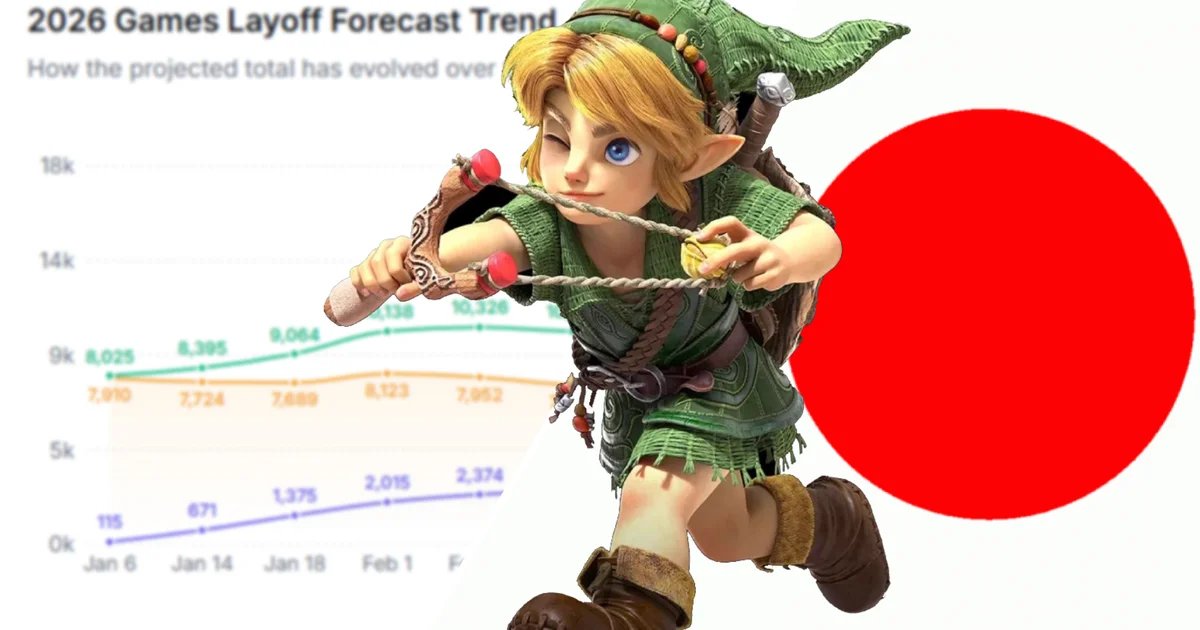
It’s been a pretty grim year for video games. Aside from the “return of Xbox” new CEO Asha Sharma promised awhen taking over, which enacted the announcement of 3,200 layoffs and four studio departures, we’ve also seen mass layoffs in other studios, too: Bungie, EA, PUBG Productions, Take-Two, Warner Bros., Epic, and many, many more have been impacted this year so far.
But you hear far less about Japanese studios laying off their teams. There are still layoffs across the region, of course, but the video games sector in Japan seems a lot healthier than that in the West. In an interview with Edge magazine, republished by the Knowledge newsletter, Amir Satvat, who has been running the ASGC Games Industry Layoffs Tracker since 2022, has explained some of the key differences between how the Japanese games industry and works compared to the rest of the world.
“Japan is a completely different ballgame” he says, before acknowledging the region isn’t “a utopia”. He notes how the typical process in Japan, when a studio needs to remove staff from its budget sheet, is to focus on contractors based outside of the country, rather than target local workers “to protect core staff in Japan”.
“Everyone calls out Nintendo, but you can look at Konami or Capcom – these companies all have staff retention of 97 percent plus,” Satvat told Edge, talking about what Western studios could learn from Japanese developers. “My understanding is that, generally, Japanese teams tend to be much smaller and leaner. They didn’t get swept up in the live-service trend, or into these mega-blockbusters with 500-person teams. [And then there’s] the executive salaries. They still make great money, but it’s two or three million dollars, not 30 million.” Notable here is the $38.6m salary awarded to EA boss Andrew Wilson last year. Take-Two’s Strauss Zelnick earned $42.1m in 2022 – which has almost certainly increased since then. Both companies laid off staff this year.
It’s worth noting here that via Satvat’s own tracker, 57,628 jobs were lost across the whole industry in the period between 2022-2026. In 2026 alone, 96 percent of all the jobs lost in the video games industry were in North America and Europe. “There was a 12-to-18-month period where I estimated that over half of layoffs, globally, were in California,” Satvat added. “I think this is as bad as the ’83 crash if you’re a game developer based in North America or western Europe, in a traditional triple-A studio. That is ground zero for the destruction.”
There’s no singular panacea for the problems affecting the game’s industry in 2026. Epic’s Tim Sweeney commented that “this is the worst videogame crash, or disruption, that we’ve seen since the 1980s.” But, Satvat intones, it seems clear from the resilience Japan’s biggest studios have seen in the face of the indsutry crunch that smaller teams, more reasonable executive payments, and a focus on specialist subjects (not chasing trends) will be more beneficial than the current model.
Perhaps that’s why we’ve seen Capcom continue its victory lap this year with games like Pragmata, Resident Evil Requiem, and Onimusha. Or why Nintendo is consistenly breaking sales records. Or why we’re seeing Koei Tecmo explicitly state it believes in smaller titles to fuel its continued successes.