dailynewsnblog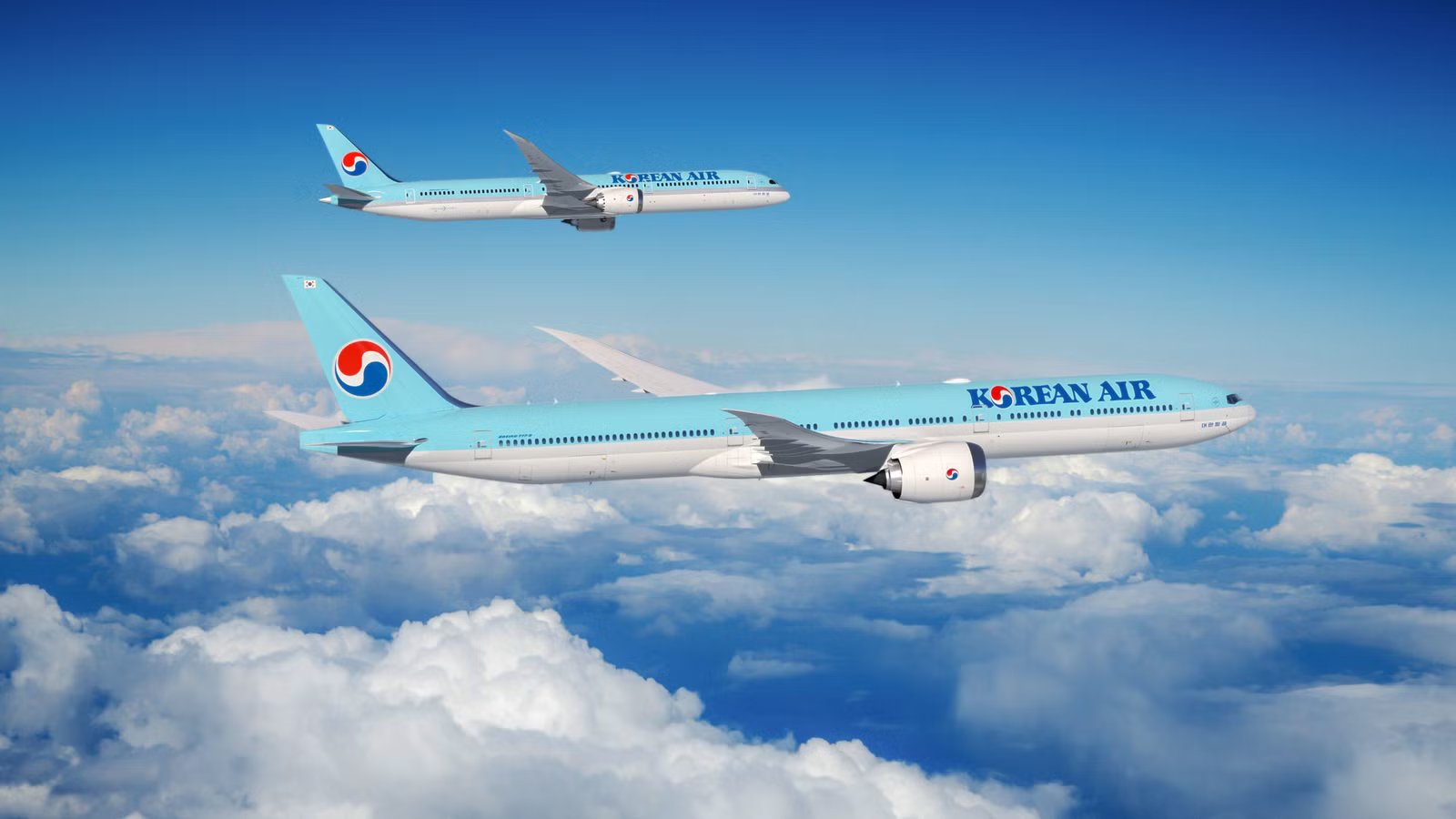
Korean Air has finalized its largest aircraft order in history, officially signing for 103  Boeing aircraft as the South Korean flag carrier prepares for a major fleet transformation following its merger with Asiana Airlines. The deal, officially announced September 16th in Seoul and worth $44.6 billion, consists of the Boeing 777X, 787 Dreamliner and 737 MAX 10, fulfilling an intent to order announced in August 2025. Boeing says the order represents its largest-ever widebody commitment from an Asian airline.
The order, a result of bilateral trade negotiations between the United States and the Republic of Korea, will expand Korean Air’s widebody fleet by 46% and almost double its narrowbody one. It also comes as the airline works toward creating a larger unified carrier with Asiana, with the new aircraft expected to play a key role in Korean Air’s continued expansion.
Korean Air Adds 95 Next-Generation Passenger Aircraft To A Growing Fleet

Of the 103 aircraft included in the agreement, 95 are passenger aircraft. This breaks down to 20 of Boeing’s 777-9s, 25 787-10s, and 50 737 MAX 10s. The new 777-9s, bringing Korean Air’s total 777-9 order book to 40 airframes, will provide the airline with a new-generation long-haul flagship once the airplane is certified, currently slated for early 2027. Additionally, the Boeing 787-10s will offer additional capacity on high-demand medium-haul routes within Asia where the larger 777X is not required.
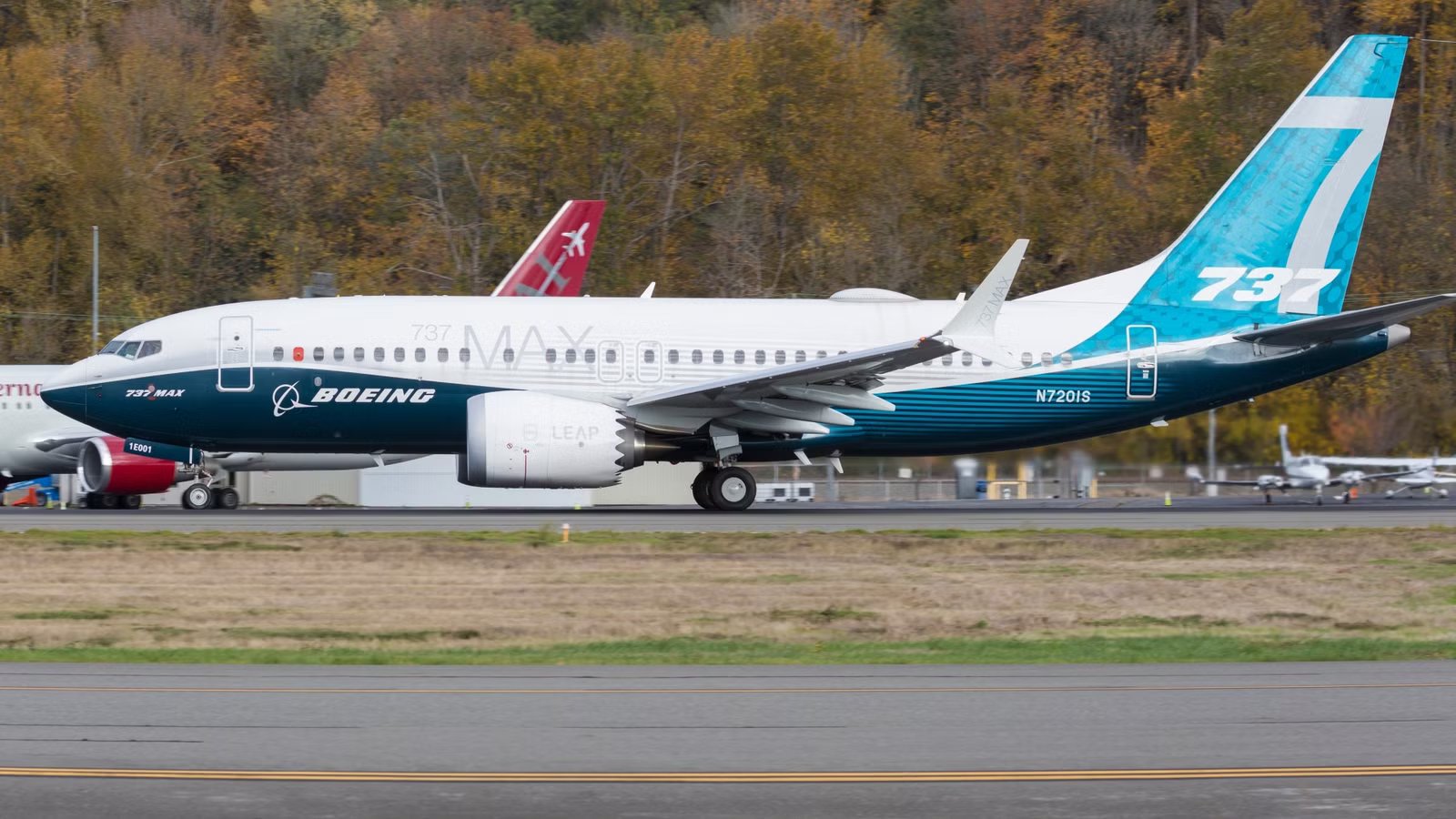
Meanwhile, Korean Air’s order for 50 Boeing 737 MAX 10 aircraft, also expected to be certified by early 2027, will fit in nicely alongside their 23 existing 737 family aircraft, including the Boeing 737-800, Boeing 737-900, Boeing 737-900ER, and Boeing 737 MAX 8, according to planespotters.net. This order will provide Korean Air additional capacity across its international network while introducing newer-generation aircraft with improved fuel efficiency compared with the jets they are expected to replace.
Commenting on the landmark order, Walter Cho, Chairman and CEO of Korean Air, said:
“Acquiring these next-generation aircraft is the core of our fleet modernization strategy, delivering significant gains in fuel efficiency and enhancing the passenger experience across our global network.”
8 New Boeing 777-8 Freighters Will Offer Additional Cargo Capacity

The remaining 8 aircraft on Korean Air’s order are Boeing 777-8F freighters, marking a new addition to the Korean Air cargo fleet. The aircraft, one of the largest cargo aircraft available on the market, will increase long-haul freighter capacity while offering significantly lower operating costs compared to the Boeing 777F and Boeing 747F aircraft Korean Air already operates.
On the cargo side of its operations, Korean Air has long been loyal to the Seattle-based manufacturer, with a fleet consisting of 12 Boeing 777F airplanes, each with an average age of around 11.4 years, according to industry data. Compared to the 777F, the new 777-8Fs will provide an increase of 11 tonnes of structural payload at the same 5,000 nautical mile (9,260 km) range, offering lower operating costs per tonne of cargo. Korean Air also operates a handful of 747 freighters, both of the -400F and -8F variants.
The new freighters are also significant as Korean Air works to integrate Asiana Airlines’ operations. Combining the two airlines’ cargo networks will create a large operation, making additional efficient freighter capacity particularly relevant as Korean Air determines how to allocate aircraft across its expanded network. Notably, Korean Air also has 7 Airbus A350F freighters on order, breaking the trend of its current all-Boeing cargo fleet.
New Aircraft Will Help Replace Korean Air’s Remaining Boeing 747s and Airbus A380s

As these aircraft are slowly integrated into Korean Air’s existing fleet, the carrier will begin a gradual retirement of its largest widebodies. The carrier has already retired most of its passenger Boeing 747s, left with just 4 Boeing 747-400s and 11 Boeing 747-8s, each averaging 21 and 11.7 years old on average. In 2021, Korean Air announced its intention to retire all of its 747 aircraft by 2031, which would match up with the anticipated first deliveries of its new 777X, the largest aircraft the airline has on order.
Meanwhile, on the Airbus side, Korean Air is one of the few airlines who operates the massive Airbus A380, with 5 aircraft currently in its fleet, although the airline has already retired 5 A380s over the past five years. Asiana also operates the A380, with 6 examples at the time of writing, averaging about 11 years old. For now, Korean Air’s A380s primarily operate on high-demand premium routes, like between Seoul and Los Angeles, with more rapid retirements of the type expected to begin in the 2030s (pushed back from 2026).