dailynewsnblog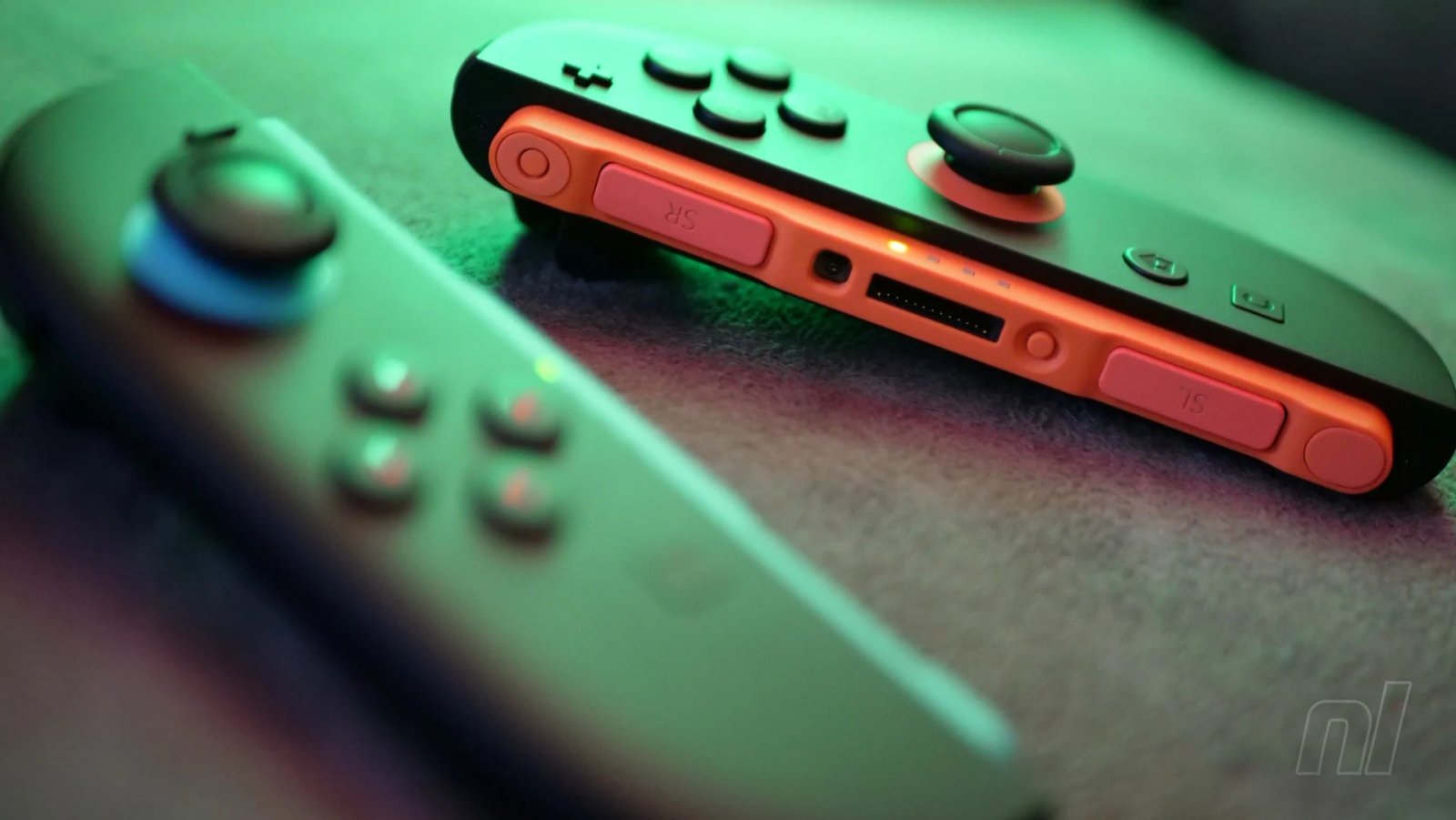
Nintendo is still refining the hardware
One of the more interesting discoveries came from comparing controllers manufactured early in the Switch 2’s production with units being produced now. On later units, I began noticing what appears to be an additional foam pad placed near the inner connector assembly.
Nintendo hasn’t publicly discussed this change, but small revisions like these are common in consumer electronics. An addition that costs only a few cents can sometimes make a meaningful difference in long-term reliability. My working theory is that the foam helps stabilise the connector and reduce intermittent connection issues caused by slight movement or pressure on the right Joy-Con. That’s particularly interesting because intermittent disconnects on the right Joy-Con have been the most common recurring issue I’ve encountered with the Switch 2 so far.
Interestingly, Nintendo made similar quiet revisions throughout the lifespan of the original Switch. This change is particularly reminiscent of the foam pad Nintendo added around the rail ribbon cable in the original Joy-Con, helping protect it from the repeated stress of plugging and unplugging the controller.
And as I’ve seen across the industry, good hardware doesn’t stop evolving after launch. Sony made six major revisions to the DualSense, redesigning the trigger modules and simplifying parts of the internal design to make the controller easier to manufacture and assemble. In its latest revision, Sony even reworked the audio hardware and power consumption, resulting in a meaningful improvement in battery life. Nintendo did the same with the original left Joy-Con, revising the internal antenna design to improve its wireless connection.
These kinds of revisions are expected over the lifespan of controller hardware, but they’re nonetheless welcome—especially when they address problems that only become apparent after thousands or millions of controllers make their way into the real world.
Sometimes the controller isn’t the problem
One lesson I’ve learned from troubleshooting customer issues is that not every disconnect is caused by the Joy-Con itself. From my own testing across multiple Switch 2 consoles, this issue can be console-dependent: the same Joy-Con can behave differently depending on the tablet it’s connected to. This may also help explain the additional foam Nintendo has added to later Joy-Con, although Nintendo hasn’t publicly confirmed its purpose.
Certain third-party grips, cases, and accessories can complicate things further by placing pressure on the Joy-Con where it interfaces with the console. Under the right conditions, that pressure can contribute to intermittent disconnects even when the controller itself is functioning normally.
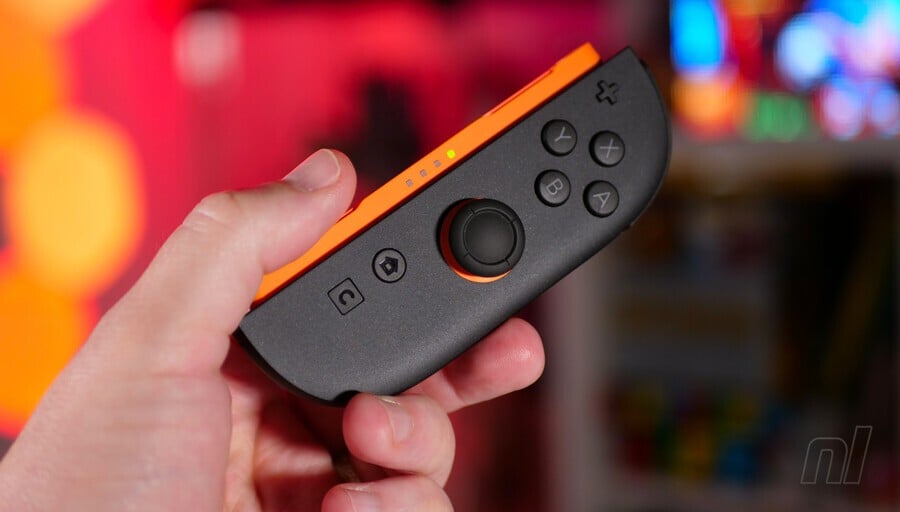
If you’re experiencing occasional disconnects, don’t immediately assume your Joy-Con is defective. Try it without the grip or case, and, if you have access to another Switch 2, test it there as well. The problem may be a quirk of the console or simply the way an accessory is putting pressure on the controller.
As of this writing, I’ve also started adding a similar foam pad to earlier Switch 2 Joy-Con as I customise them. I’ve been doing this for the past few weeks as a preventive measure, essentially applying the same kind of revision Nintendo appears to have made to later-production units. In my testing so far, the modification appears to be yielding positive results.
Nintendo kept one of the best parts of the original design
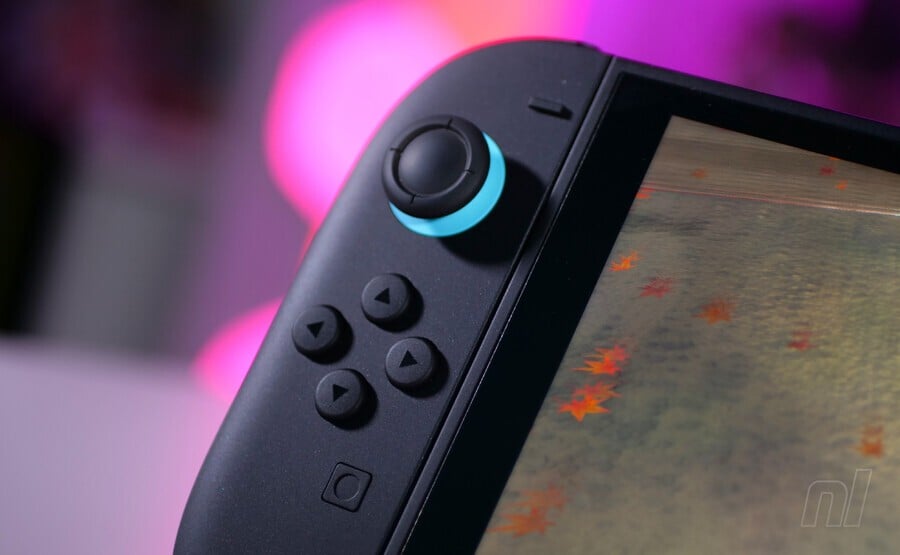
One advantage Nintendo has over many other controller manufacturers doesn’t receive nearly enough credit: they kept one of the smartest engineering decisions from the original Joy-Con. Like the first generation, the Switch 2 Joy-Con uses replaceable analogue stick modules. From a repair and serviceability perspective, that’s a significant advantage over analogue sticks soldered directly to the controller’s main board.
Replacing a worn analogue module is a relatively straightforward repair that can extend the life of the controller instead of turning it into e-waste. It’s also a repair that many cell phone and electronics repair shops can perform for a relatively modest price—typically much less than replacing a soldered analogue stick or buying an entirely new controller.
That’s a design philosophy I appreciate.
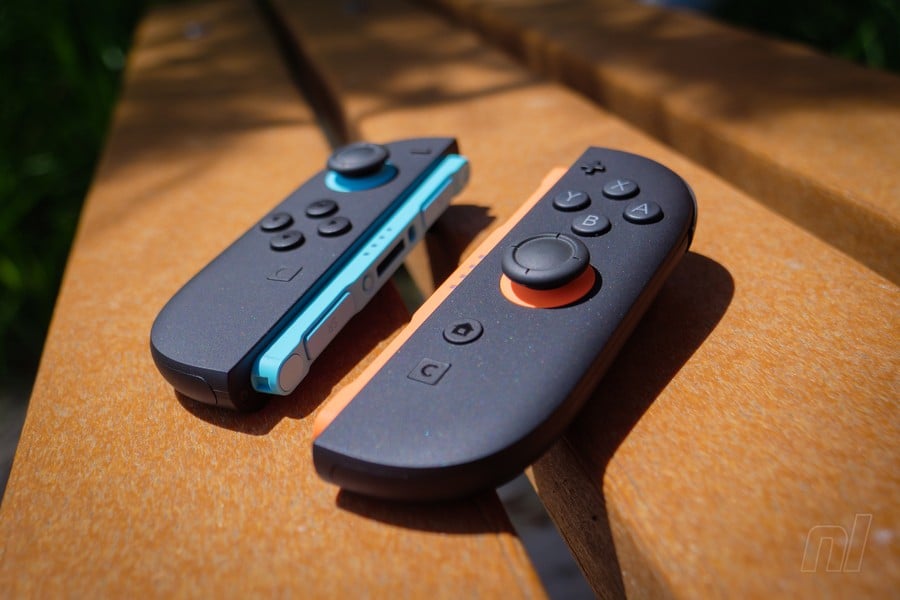
Many modern controllers are becoming increasingly difficult to service. Xbox and PlayStation controllers, while excellent products in their own right, generally require much more involved repairs when their analogue sticks wear out. Nintendo’s modular approach makes routine maintenance considerably more approachable. I suspect that serviceability also made Nintendo’s free Joy-Con analogue stick repair program much easier to offer at scale: replacing a self-contained module is considerably simpler than desoldering and replacing an analogue stick assembly.
For people who value repairing rather than replacing their hardware, that’s a meaningful advantage.
The aftermarket has developed quickly
One of the biggest differences between the original Switch launch and the Switch 2 is how quickly the aftermarket has caught up. In hindsight, Joy-Con drift may have done something positive for the industry: it forced manufacturers and consumers to take analogue stick longevity seriously.
Joy-Con drift may have done something positive for the industry: it forced manufacturers and consumers to take analogue stick longevity seriously.
There are already multiple manufacturers producing replacement analogue modules, including Hall Effect and TMR options. And after installing and testing numerous configurations, I’ve found that not all aftermarket sticks are created equal.
Manufacturers such as Favor Union, K-Silver, Gulikit, and Hallpi each take slightly different approaches. From my experience, Hallpi’s JP20 modules have emerged as particularly impressive in both feel and consistency. They’re a well-made answer to one of the most common criticisms of early Hall Effect and TMR replacements for the original Switch: while they addressed the underlying wear problem, they didn’t always replicate the feel of Nintendo’s original analogue sticks particularly well.
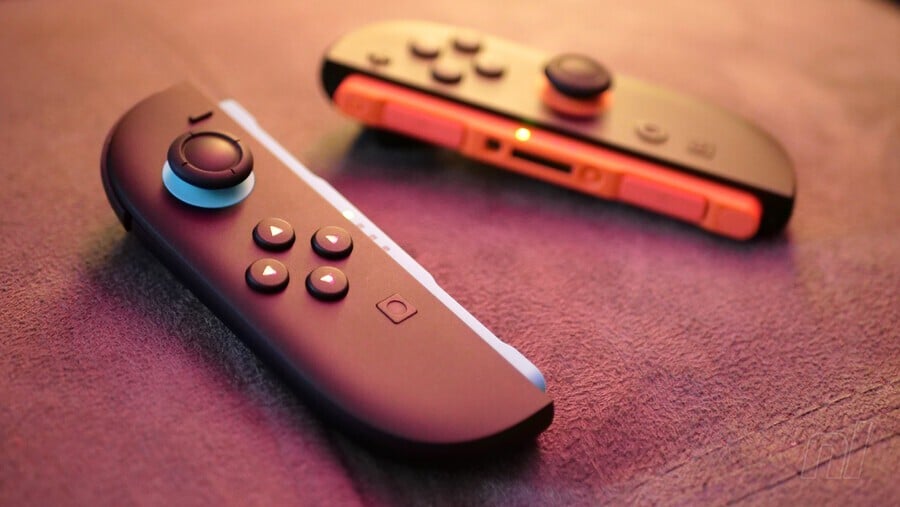
Hallpi also manufactures modules used by several well-known brands, creating a degree of compatibility between products that many people don’t realise exists. They even offer different accent rings depending on the configuration, including their TMR and conventional analogue modules—a small detail, but one that shows how mature this aftermarket has already become.
But the biggest problem may be reputation, not reliability
This may be my most unexpected observation.
I’ve been installing a large number of Hall Effect and TMR stick upgrades every week. These upgrades have real benefits for longevity and the precision of analog movement, and I’m a big believer in giving customers options that fit the way they play. But after talking with hundreds of customers, I’ve started to notice something interesting: many people are choosing TMR sticks for their brand-new custom Joy-Con because they remember what happened with the original Switch and want to future-proof their new controllers before anything has a chance to go wrong.
Joy-Con drift became one of the defining hardware stories of the first-generation Switch. That reputation has followed the Switch 2 from day one, and it’s understandable that many people assume history will eventually repeat itself.
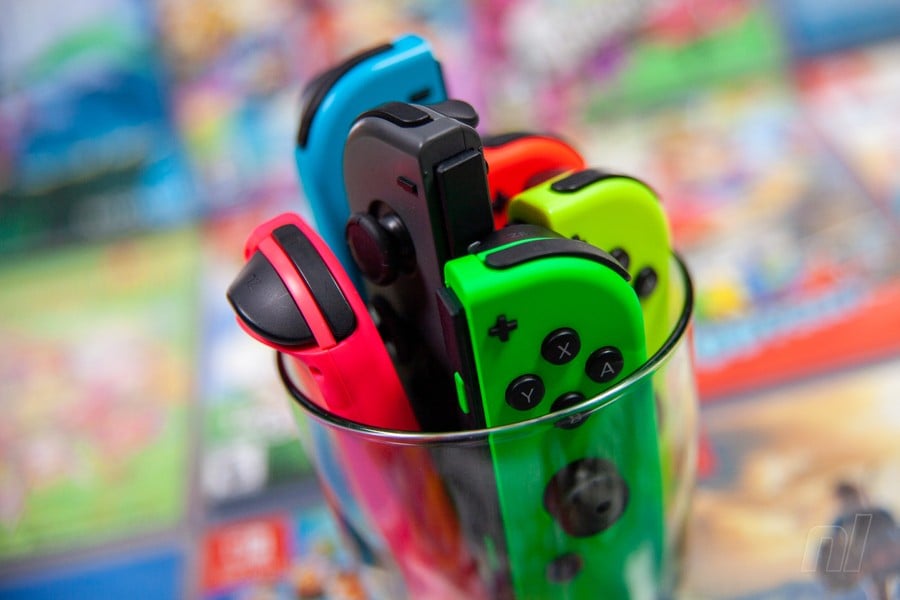
So far, my experience suggests it’s too early—and likely unfair—to make that assumption. The Switch 2 isn’t simply a recycled Joy-Con. It appears to be a meaningful evolution of the original design.
The funny thing is that Nintendo may have already made significant enough changes to bring the Switch 2 Joy-Con more in line with the rest of the industry and address many of the problems people are still worried about. Time will ultimately tell how these controllers age, but based on the units I’ve worked on in the shop so far, I remain cautiously optimistic.
And TMR upgrades are about more than preventing drift. I regularly receive messages and reviews from customers thanking me for offering TMR options across the controllers I make. Many tell me that the different characteristics of TMR sticks improve their experience compared with the stock analogue options. FPS players are especially likely to notice the difference, where the increased precision and responsiveness can have a meaningful impact on the way they play.
The Switch 2 Pro Controller deserves more credit
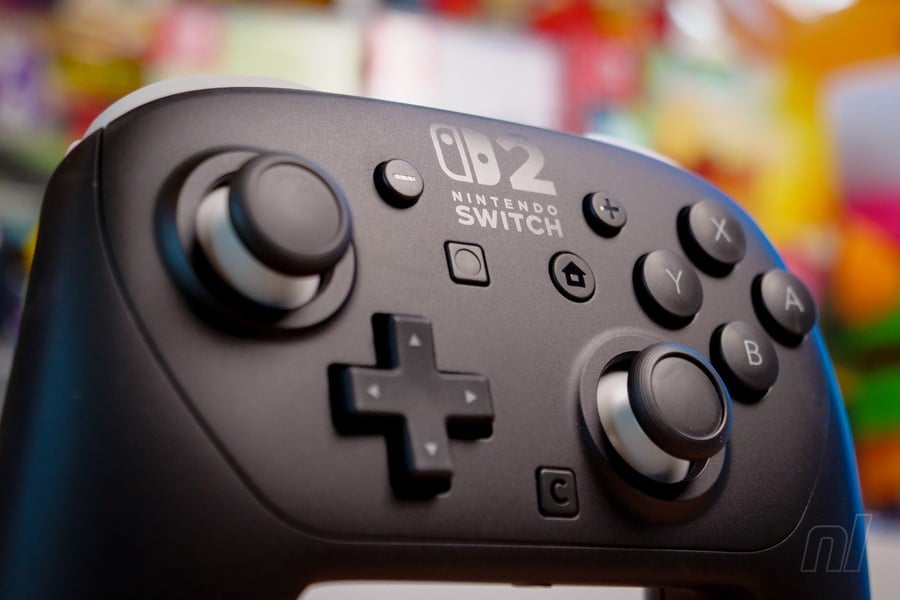
Although at the GameTraderZero Workshop I spend most of my time working on Joy-Con, it’s impossible not to mention the Switch 2 Pro Controller.
Quite simply, it’s one of the best values currently available in a premium controller.
The stock analogue sticks are excellent all-purpose performers, the ergonomics remain extremely comfortable, much like its predecessor’s, and Nintendo includes programmable back buttons without pushing the controller into an ultra-premium price bracket. When compared with similarly equipped controllers on competing platforms, the value proposition becomes difficult to ignore.
Unlike the original Switch Pro Controller, Nintendo has also moved to modular analogue stick assemblies. That makes future repairs considerably more approachable and opens the door to much easier Hall Effect and TMR upgrades as aftermarket options become available. It’s another small but meaningful improvement in serviceability that could help extend the useful life of the controller.
It also gives me an excellent foundation for customisation. Cosmetic options like UV-printed faceplates can make it your own, while functional upgrades like the tactile button mod can build on what is already a very capable controller rather than trying to compensate for shortcomings in the original design.
My Biggest Takeaway
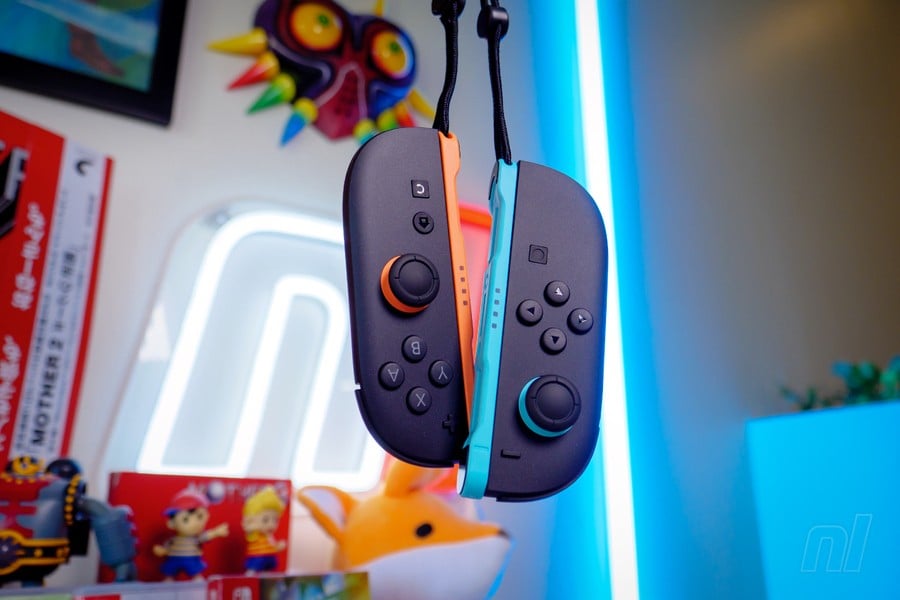
Perhaps the biggest surprise after working on more than 1,000 Switch 2 Joy-Con is this: The hardware, while more complicated to work on, is better than I expected.
Nintendo has clearly taken lessons from the first-generation Joy-Con and applied them to the Switch 2, showing that it can learn from its mistakes
That might seem contradictory coming from someone who repairs and upgrades controllers every day. But the truth is, when a controller is good, it makes it easier for me to sell and recommend. I’d much rather spend my time making something better and prettier than be bogged down in repairs.
I expected to find more failures and discover more weak points. Instead, I’ve found a platform that feels more mature and refined than its predecessor in several important ways. Nintendo has clearly taken lessons from the first-generation Joy-Con and applied them to the Switch 2, showing that it can learn from its mistakes—and from the market that grew around them.
That doesn’t mean it’s perfect. Every controller has compromises, and new long-term patterns will inevitably emerge as these systems age. But if my experience so far is any indication, the Switch 2 deserves to be judged on what it actually is—not on the reputation of the Joy-Con that came before it.
I promise I’ll continue taking these controllers apart, testing new components, and documenting what I find. As the platform develops, so will my understanding of it in the workshop, and I’ll continue sharing those observations along the way.