dailynewsnblog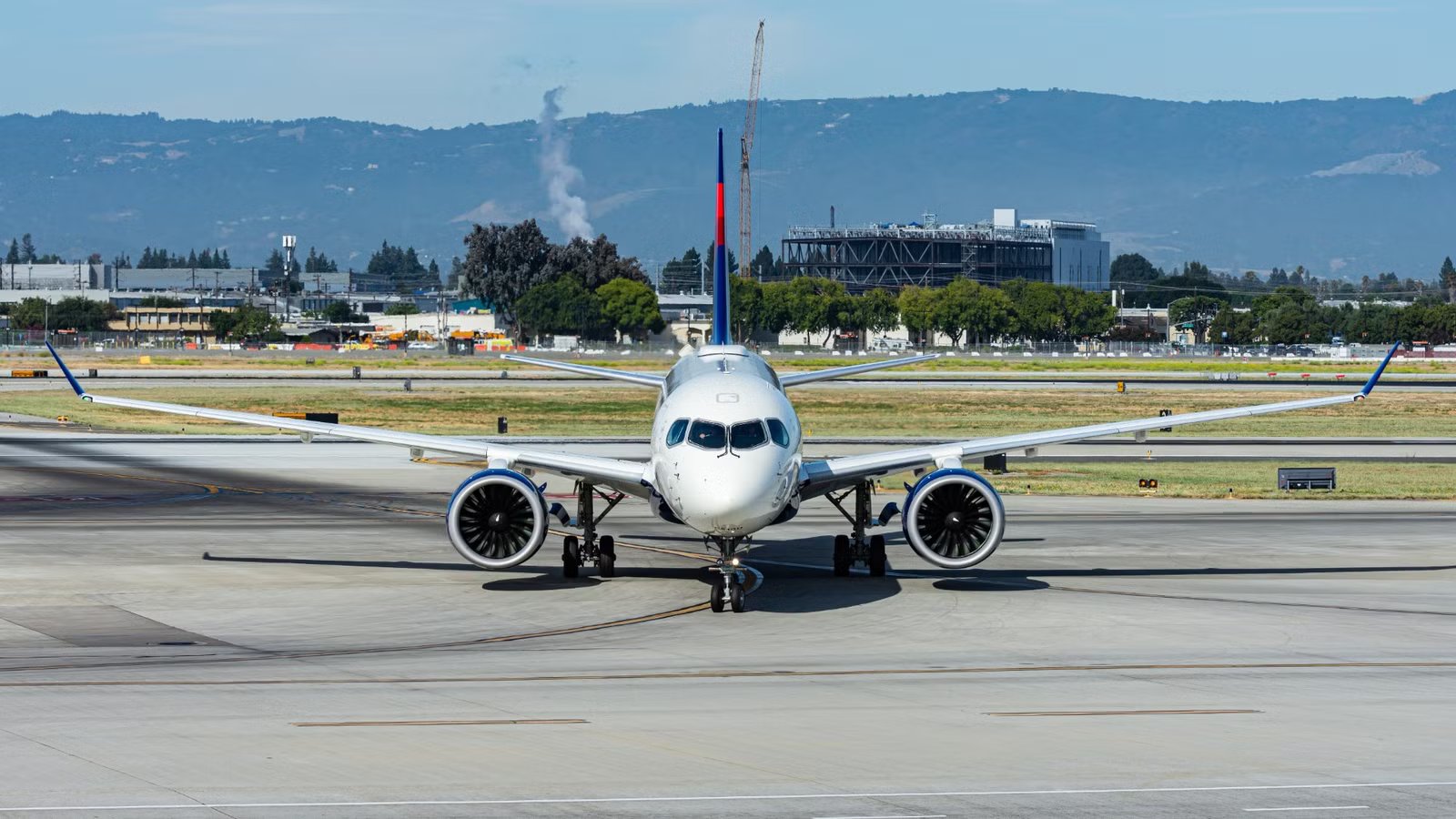
Two  Delta Air Lines flights experienced cabin fume or odor events within roughly 48 hours, prompting an emergency declaration on one flight and a diversion on the other. Delta Flight 1035 from Jacksonville International Airport (JAX) to New York John F. Kennedy International Airport (JFK) diverted to Raleigh-Durham International Airport (RDU) on September 7, while Delta Flight 1390 from New York LaGuardia Airport (LGA) to
  Chicago O’Hare International Airport (ORD) declared an emergency on September 8. Both aircraft landed safely, and passengers were able to exit normally at the gate.
The two incidents occurred on separate routes and are not currently known to be connected. Delta said smoke, fumes, and odor events are rare, but it treats each seriously under its safety management system. The airline also emphasized that such events can originate from different sources, making investigation and maintenance follow-up important after an occurrence.
Two Flights, Two Emergency Responses

The first incident involved Delta Flight 1035 on September 7. The Airbus A220 aircraft was flying from Jacksonville to New York when the crew detected fumes in the cabin and diverted to Raleigh-Durham instead of continuing to JFK. Flight-tracking data shows that the aircraft diverted to RDU and landed safely after departing Jacksonville.
Delta said the crew declared an emergency to receive priority handling from air traffic control, rather than because the aircraft had suffered an immediate loss of control or other catastrophic failure. All 113 people deplaned normally at the gate in Raleigh-Durham, and passengers were subsequently accommodated on another aircraft to New York.
A day later, Flight 1390, operated by the same A220 type, encountered a similar issue while operating from LaGuardia to Chicago O’Hare. The crew declared an emergency while approaching ORD after detecting fumes, allowing the aircraft to receive priority handling and land safely; all 130 people aboard deplaned normally at the gate.
Delta’s maintenance teams subsequently removed the aircraft involved in Flight 1390 from service for evaluation. Flight-tracking records confirm the aircraft operated the LGA-ORD sector on September 8, although publicly available tracking history does not identify the cause of the fumes.
Delta Air Lines said in a statement:
“Smoke, fumes and odor events are rare, though we take each seriously, as we do with all matters of safety. Delta’s safety management system and safety culture help us address root causes of potential issues to reinforce that air transportation remains the safest form of travel in the world.”
Why Fumes Are Treated as an Emergency

Cabin fumes can have many potential sources, so crews cannot always determine immediately whether an odor is merely unpleasant or indicates a more serious mechanical problem. In rare circumstances, mechanical problems such as engine oil-seal failures or recirculation-fan bearing issues can allow fumes to enter the cabin. Airlines are required to report qualifying incidents involving smoke, vapor or noxious odors to the FAA or other local aviation authorities.
Aircraft ventilation systems are designed to maintain cabin air quality under normal and probable failure conditions. The FAA says modern transport aircraft generally use a mixture of fresh and recirculated air, with many aircraft employing HEPA filtration for the recirculated portion. Importantly, the agency says studies have found normal cabin air quality to be comparable to or better than that found in many public buildings.
That does not mean every fume event is harmless. The FAA’s research into contaminated bleed air has examined potential exposure to substances including carbon monoxide, carbon dioxide, volatile organic compounds and airborne particles, while noting that the health risks associated with individual events can be difficult to quantify because their chemical composition varies.
Cabin Smoke Remains a Critical Aviation Safety Concern

Although the two Delta flights ended without reported injuries, smoke and fumes are treated seriously because they can affect passengers and crew and, in more severe circumstances, interfere with flight-deck operations. FAA guidance notes that fumes can result from equipment malfunction or failure, while airport guidance highlights that smoke, odors, and fumes have previously led to emergency landings and diversions.
Recent investigations also demonstrate why rapid crew response matters. In May 2026, the National Transportation Safety Board recommended more realistic, scenario-based training for smoke-in-the-cockpit emergencies following a 2023  Southwest AirlinesBoeing 737 MAX 8 incident in which smoke rapidly filled the cockpit after a bird strike and engine ingestion event. The crew donned oxygen masks, declared an emergency and returned safely to New Orleans, with none of the people aboard injured.
The NTSB has separately highlighted how engine-related problems can allow hot oil smoke to enter an aircraft’s ventilation system. In its work on the Southwest incident, the agency said a similar event in 2023 involved vapor filling the passenger cabin after birds were ingested into an engine, prompting another emergency return.
For Delta, the immediate priority following the September incidents is to determine the cause of each odor or fume event and ensure the affected aircraft are appropriately inspected. The airline’s decision to divert Flight 1035 and remove the aircraft involved in Flight 1390 from service for evaluation reflects the precautionary approach normally expected when the source of an onboard fume event is not immediately clear.