dailynewsnblog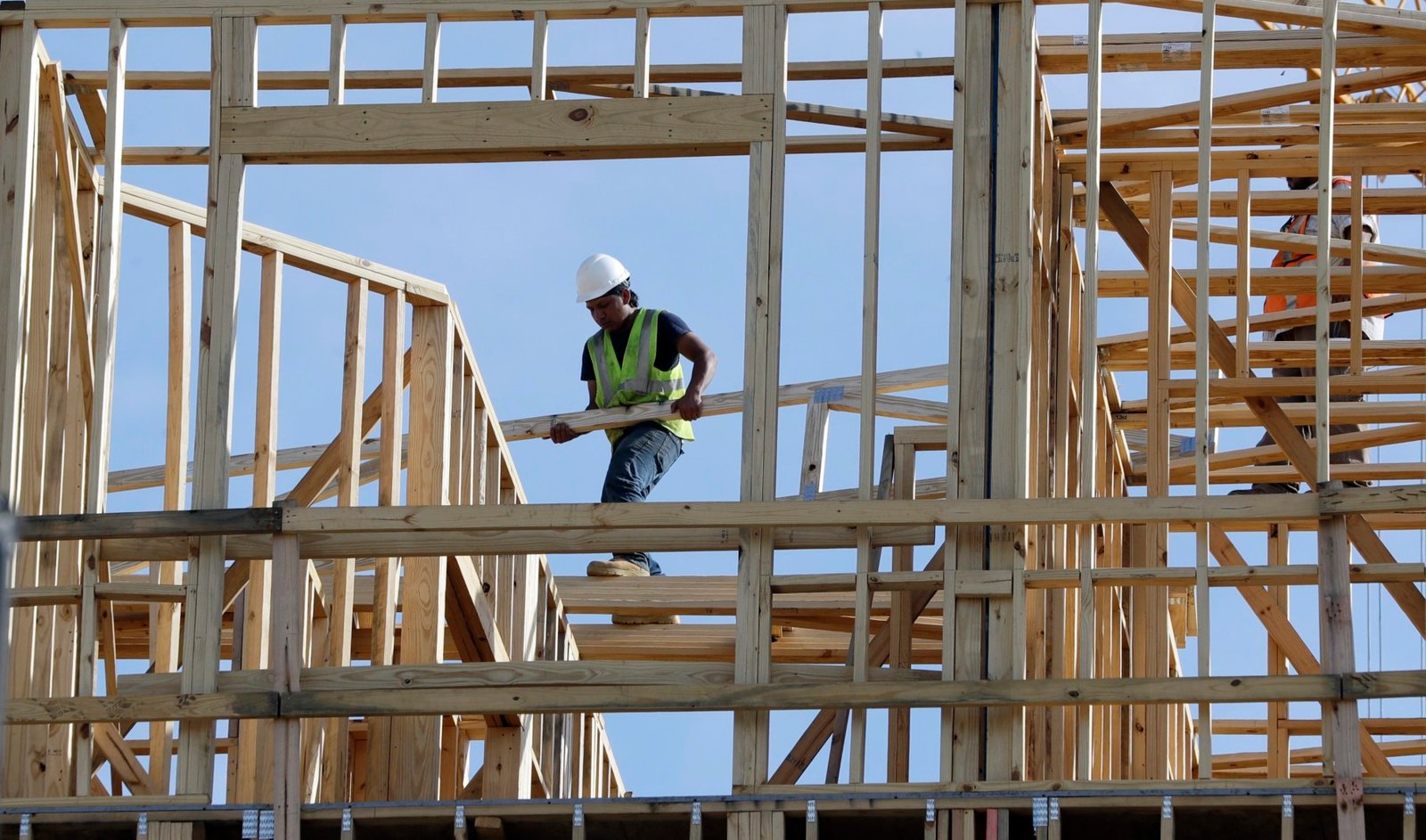
Governments need to find a way to allow apartment builders to defer their capital gains tax without delaying the construction of new buildings. Canada could look to a U.S. tax rule to do just that.
Later this month, the federal government is hosting the Canada Investment Summit 2026, to bring international investment dollars to Canada. Equally as important, in this era of trade disputes, is making Canada an attractive place for Canadians to invest. Canadians are the largest international investors in U.S. real estate, but with some simple tweaks to the tax code we could have more of those dollars invested in home while simultaneously addressing the country’s housing crisis.
The CMHC’s Summer 2026 Outlook brings bad news for renters, as it projects rising rents and slowing housing construction, at a time when country needs more housing of all types and sizes. During the election, the federal Liberals committed to doubling annual housing starts to 500,000 units by 2035. Unfortunately, a recent CMHC projection shows that instead of rising, starts will fall to 210,000 by 2028.
Direct government initiatives such as Build Canada Homes can help reverse this slide, but governments must also reform the system to remove the barriers that prevent the private sector from building the number and diversity of homes that are needed, barriers that include outdated rules that disincentivize apartment construction, to a lack of construction financing. Even with the creation of Build Canada Homes, the private sector will continue to build over 90 per cent of all new apartment units in Canada.
Building new apartment buildings takes capital, and a common method apartment builders will use is to finance construction through the sale of an older building, commonly known as asset recycling. Under this model, an apartment builder constructs a rental apartment building, runs it for a few years, sells it to a company that operates older buildings, and builds a new one.
One challenge with the asset recycling model is that the sale of the asset generates a capital gain and triggers a one-time capital gains tax. Because this tax is paid once, building owners may defer the sale of the building to a year when these gains can be offset by losses in other areas. As a business strategy, it is sensible, but unfortunately, deferring the sale ultimately delays the construction of a new building, causing apartment construction to slow.
To combat this problem, governments need to find a way to allow apartment builders to defer their capital gains tax without delaying the construction of new buildings. Fortunately, the United States has a long-standing solution to this problem, called a 1031 exchange, with the 1031 referring to the section of the U.S. Internal Revenue Code, and exchange as the code treats the sale of the apartment building and the reinvestment in new construction as exchanging one asset for another, rather than a sale and a purchase.
The U.S. 1031 provision avoids the “lock-in” problem caused by allowing capital gains taxes to be deferred through reinvestment, with one study finding they reduce holding periods by up to one year. Importantly, the provision does not reduce the amount of capital gains taxes ultimately paid; rather, it creates a level playing field between holding a building and selling it to reinvest the proceeds into constructing a new one.
The fiscal cost to the federal government of introducing a 1031-like program is minimal, and if well-designed, could increase tax revenue. Any program that allows for tax deferral does mean that some government revenue is delayed; however, this delay is offset by the increased housing construction spurred on by 1031. Increased housing construction generates additional tax revenues for all levels of government; a recent estimate from Ernst & Young finds that the 1031 provision generates $13 billion in tax revenue for U.S. governments from enhanced economic activity each year.
An attractive feature of the 1031 model is that governments can tailor it to incentivize the sale or construction of certain types of assets. For example, if the federal government wants underutilized strip malls redeveloped into housing, it can make the sale of those properties eligible for the 1031 provision either temporarily or permanently. It gives the federal government a powerful tool to free up land or unlock capital for specific types of construction.
By itself, a made-in-Canada version of 1031 will not solve housing affordability challenges across Canada. It would, however, get a diversity of new homes built, and provide much needed affordability and options for renters, at little cost to the federal government.
Derek Lobo is the CEO of the National Apartment Council, the voice of private apartment developers in Canada. Mike Moffatt is the Founding Director of the Missing Middle Initiative.
The views, opinions and positions expressed by all iPolitics columnists and contributors are the author’s alone. They do not inherently or expressly reflect the views, opinions and/or positions of iPolitics.