dailynewsnblog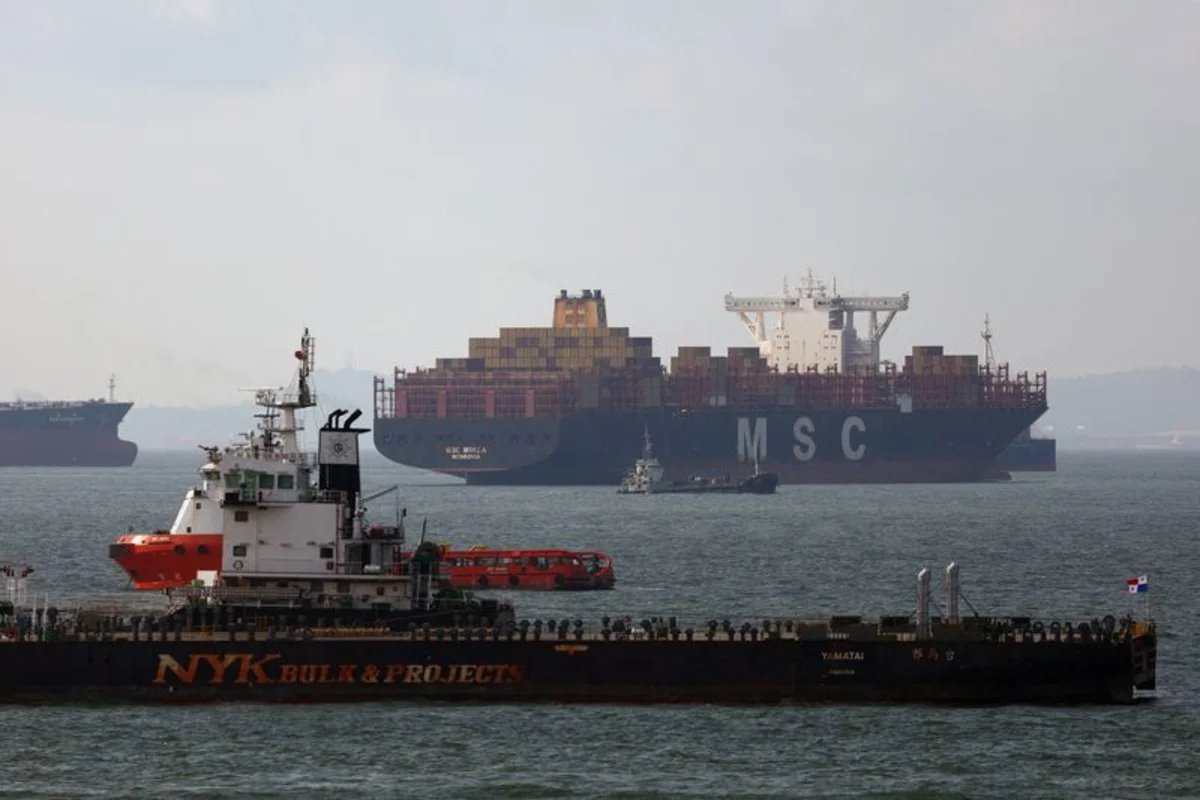
By Enes Tunagur and Jeslyn Lerh
LONDON, Sept 7 (Reuters) – A shortage of fuel oil used in ships and power plants looms in the third quarter as refiners increasingly squeezed by wars that have disrupted both crude processing and tanker traffic prioritise output of diesel and other products at its expense.
While crude oil has avoided major price spikes in recent months, refined product prices have soared as strikes damage refineries in Russia and the Middle East and curbs on ship traffic choke flows. China has also cut refining capacity and exports to avoid burning stocks.
Tightening supply threatens to further raise costs for shipowners and power generators already dealing with war-related disruptions. Higher bunker fuel costs could also in turn feed into shipping rates.
Asia will be hardest-hit as it is most reliant on Gulf flows disrupted by the Iran war, with Singapore, the world’s largest bunker hub, importing more than half its nearly 1 million barrels a day of demand, according to import data from Kpler. Consultancy Rystad has a similar outlook.
The deficit is expected to hit 218,000 barrels per day in the third quarter, consultancy Energy Aspects has forecast, the first shortfall it has estimated since the third quarter of 2025, when it was a marginal 6,000 bpd.
“Due to the protracted supply disruption in the Middle East, we expect fuel oil supply to remain critically tight in the third quarter,” Rystad analyst Valerie Panopio told Reuters.
Fuel oil joins gasoline, diesel and jet fuel among the refined products struggling to keep up with demand. U.S. diesel prices hit record highs on Friday as renewed U.S.-Iran hostilities and Ukrainian attacks on Russian refineries increased supply disruptions.
Refiners opting to produce some of those other products to tap fatter profits has meant fuel oil has been hit harder.
Nigeria’s 650,000-barrel-per-day Dangote refinery, for example, has ramped up diesel, gasoline and jet fuel exports, while its fuel oil exports have dropped, according to Kpler.
Dangote and other refineries can use fuel oil as feedstock in secondary refining units to make other fuels.
“Record-low gasoline and diesel inventories will incentivise refiners globally to maximise secondary unit runs with more fuel oil feedstock barrels, in turn tightening fuel oil balances,” Energy Aspects analyst Royston Huan said.
Gasoline stocks independently held in the Amsterdam-Rotterdam-Antwerp hub hit their lowest level in nearly five years on August 27. U.S. East Coast distillate inventories, which include diesel, fell to a record low in the week to August 28.