dailynewsnblog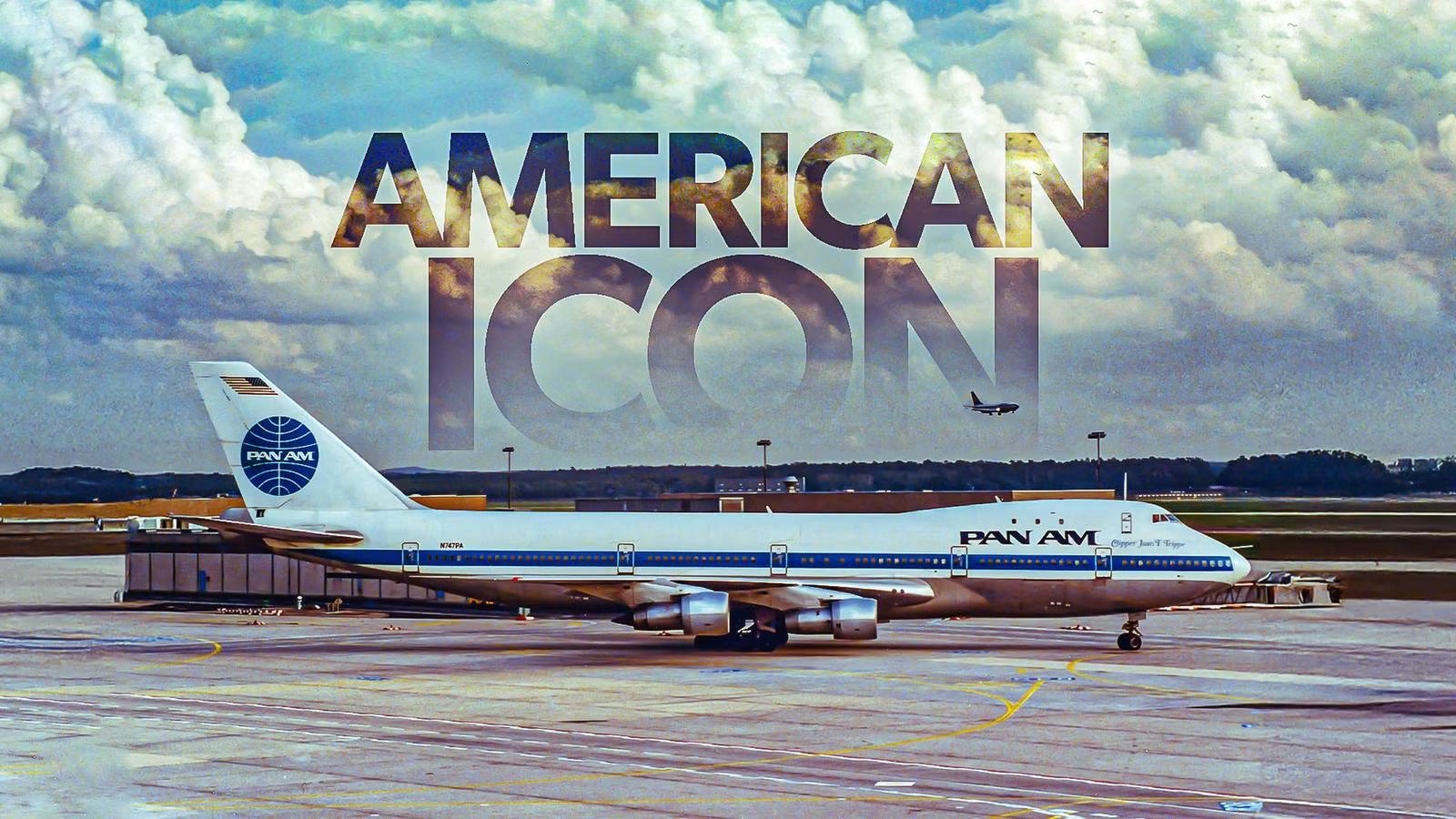
The Boeing 747 is the most iconic subsonic passenger airliner of all time. At one point, 747s were the default long-haul airliners because they simply had more range than anything else in their day, and they were the largest commercial airliners in the skies for decades. Almost every large airline operated the 747 as a flagship aircraft, and it also stands as one of the very few airliners that have become cultural icons precisely for this reason.
The 747 has been almost fully phased out from passenger service save for a handful of airlines, as the industry has shifted towards twin-engine widebodies that match or exceed the 747’s range while being far more cost-effective. Airlines generally prefer smaller planes than the 747, and even newer large airliners like the Boeing 777-300ER do virtually the same job while being significantly more cost-effective. However, it cannot be overstated just how innovative and impactful the 747 was in multiple areas.
Inflight Rest Areas
Dedicated spaces for crews

Long-range airliners existed before the 747, and because of how slow piston-powered planes flew, you’d regularly see these planes push 13 hours on their longest routes, while even the 707 and DC-8 were used in long-range operations. During such operations, regulations require that airlines staff relief pilots who rotate with the rest of the crew during the flight. When not in the cockpit, the pilots traditionally used blocked passenger seats, but then came the Boeing 747.
The 747’s upper deck wasn’t originally designed to house permanent seating. Instead, it was a means to move the cockpit out of the way so that the entire main deck could be used for cargo and so that the aircraft could feature a nose door for cargo loading. The famous ‘hump’ houses the cockpit, and the space behind was originally proposed to be used as a premium lounge, but Boeing was also able to install a dedicated rest facility for pilots here.
Rest facilities existed even before the Jet Age, but this wasn’t as common back in the day. However, almost all 747s were used on long-haul flights that necessitated these rest facilities. Manufacturers continued to innovate with rest facilities, with smaller airliners like the Boeing 767 usually using pods placed in the cargo hold, while Boeing introduced overhead rest facilities in the Boeing 777 shortly after the type’s introduction. This is now the standard design for long-range widebodies.
Enclosed Overhead Bins
Made standard for the first time

Something that we all see as normal today is enclosed overhead storage lockers. However, during the first few decades of commercial air travel, overhead storage (if planes had them at all) usually consisted of shelves that may have netting or wires to hold items in place. These were intended for small, lightweight items like hats, and it wouldn’t be until the mid 1960s when airlines began to install closable lockers on a limited basis.
The Boeing 747 was the first airliner to introduce lockable bins as standard. This meant that items wouldn’t move out of the bins like in the past, increasing safety for passengers. What’s more, these bins were designed for larger items than the ‘hat racks’ of the past, which meant that you could put relatively large bags up there. This was especially important for the 747 to properly serve its mission as the future of long-haul travel.
Overhead bins are taken for granted today, but there was a time when this was a rare luxury. The 747 was only available with lockable bins, and practically every subsequent Western airliner since also included them. Manufacturers are now innovating with overhead bin designs to allow for bags to fit on their sides, while also aiming to make them easier to use and less physically intrusive.
The Double Deck
Only one other airliner has replicated this

The 747’s upper deck was mainly meant to house the cockpit to make it a better freighter, as it was believed that supersonic transports would essentially replace subsonic jets in the 1970s. This didn’t end up happening, and airlines eventually began installing permanent seating in the 747’s upper deck, with Boeing extending the upper deck’s interior and adding windows to make it more usable for this purpose.
With the 747-300, Boeing was able to stretch the 747’s upper deck to allow airlines to seat more passengers, while it was able to add capacity without needing to stretch the plane. This design was carried over to the 747-400, and with the 747-8, Boeing stretched the upper deck again while also stretching the fuselage, creating significantly more floor space.
Boeing 747 Variant | Introduction Year |
|---|---|
747-100 | 1970 |
747-200 | 1971 |
747SP | 1976 |
747-300 | 1983 |
747-400 | 1989 |
747-8 | 2011 |
For decades, the 747 was the only jet-powered double-decker airliner in service. As the only large, long-range widebody in service, the 747 essentially owned this market, and this inspired Airbus to make the A380, the only jet-powered airliner with a full upper deck. However, while the A380 was an engineering masterpiece, the aircraft failed to be a sales success, as the market had moved on from double-deckers by the 21st century. The same happened to the 747-8.
High Cabin Ceilings
Making airliners feel spacious on the inside

The 747 was far larger than any airliner before it. The largest airliners before it were all narrowbodies with, at most, six seats across and low ceilings. But with the 747’s widebody design, not only was the cabin wider to allow for added seats, but the cabin was significantly taller as well. This made the plane feel much less claustrophobic, truly showing passengers that it was introducing a new era of travel.
Subsequent widebodies naturally also had larger fuselages than the long-range narrowbodies of old, and manufacturers began really innovating with cabin interior designs to ensure that passengers didn’t feel as though they were in a small tube with wings. The Lockheed L-1011 TriStar was particularly well-known for the design of its interior, with Lockheed emphasizing the plane’s sleek and spacious interior.
Widebody Aircraft | Introduction Year |
|---|---|
Boeing 747 | 1970 |
McDonnell Douglas DC-10 | 1971 |
Lockheed L-1011 TriStar | 1972 |
Airbus A300 | 1974 |
Boeing 767 | 1982 |
Airbus A310 | 1983 |
Airbus and Boeing both gradually began updating their cabin interiors on newer models to increase the feeling of spaciousness. The 777 introduced Boeing’s ‘Signature Interior,’ which featured high ceilings, indirect lighting, and organic curves. This was later ported over to the 747-400 as well as the 767. Meanwhile, the 747-8 featured an updated interior that took elements from the 787’s cabin.
Lie-Flat Seating
The standard in the industry today

Traditionally, first class just consisted of larger recliner seats, while business class later debuted with seats that were less spacious than first class, but more comfortable than economy. In 1995, however, British Airways introduced the world’s first lie-flat seat for first class on its Boeing 747s, revolutionizing premium cabins. Before, first class was a comfortable way to fly, but it wasn’t easy to sleep in those seats. This was the selling proposition of Concorde, in that passengers would only lose three hours of productivity while traveling.
But with lie-flat seats, passengers could fly overnight across the Atlantic, get their night’s sleep on the plane, and essentially lose no productive time. Other airlines would follow suit, and lie-flat seats became an expectation in first class.
 British Airways ended up introducing the world’s first lie-flat business class seat in 2000, making lie-flats much more accessible. This is now an expectation in business class, and most airlines now offer direct aisle access pods, sometimes with privacy doors. Meanwhile, first class is now positioned by most airlines as an ultra-exclusive luxury experience, and many airlines no longer even offer first class.
The Widebody Layout
Revolutionizing air travel

The 747 was born out of a request by Juan Trippe, president of Pan American World Airways, for an airliner two-and-a-half times the size of the Boeing 707 that would offer dramatically lower per-seat costs than anything in service. Given that his requests came with a promise to order the plane, Boeing agreed and developed the 747. To achieve Trippe’s requests, Boeing added another aisle, dramatically reducing per-seat costs and revolutionizing air travel.
Because the 747 had significantly lower per-seat costs than anything before it, airlines could offer dramatically lower ticket prices. This opened up air travel to the masses, making flying truly affordable in a way that the industry had never seen before. This also led McDonnell Douglas and Lockheed to develop smaller widebodies that still had excellent economics, and twin-aisle planes soon became the standard for long-distance flying. Widebodies were also commonly used for shorter routes until newer narrowbodies were introduced with better per-seat economics.
The 747 is no longer a commonly used airliner, but the concept is as popular as ever. We’re now seeing the return of narrowbodies across oceans with the Airbus A321XLR, but this aircraft has seen relatively few sales because it is ultimately a niche product. Widebodies are the preferred aircraft type for long-range flying, and the Boeing 747 started it all.