dailynewsnblog
Happy September 1st. Here’s what we have on tap for you.
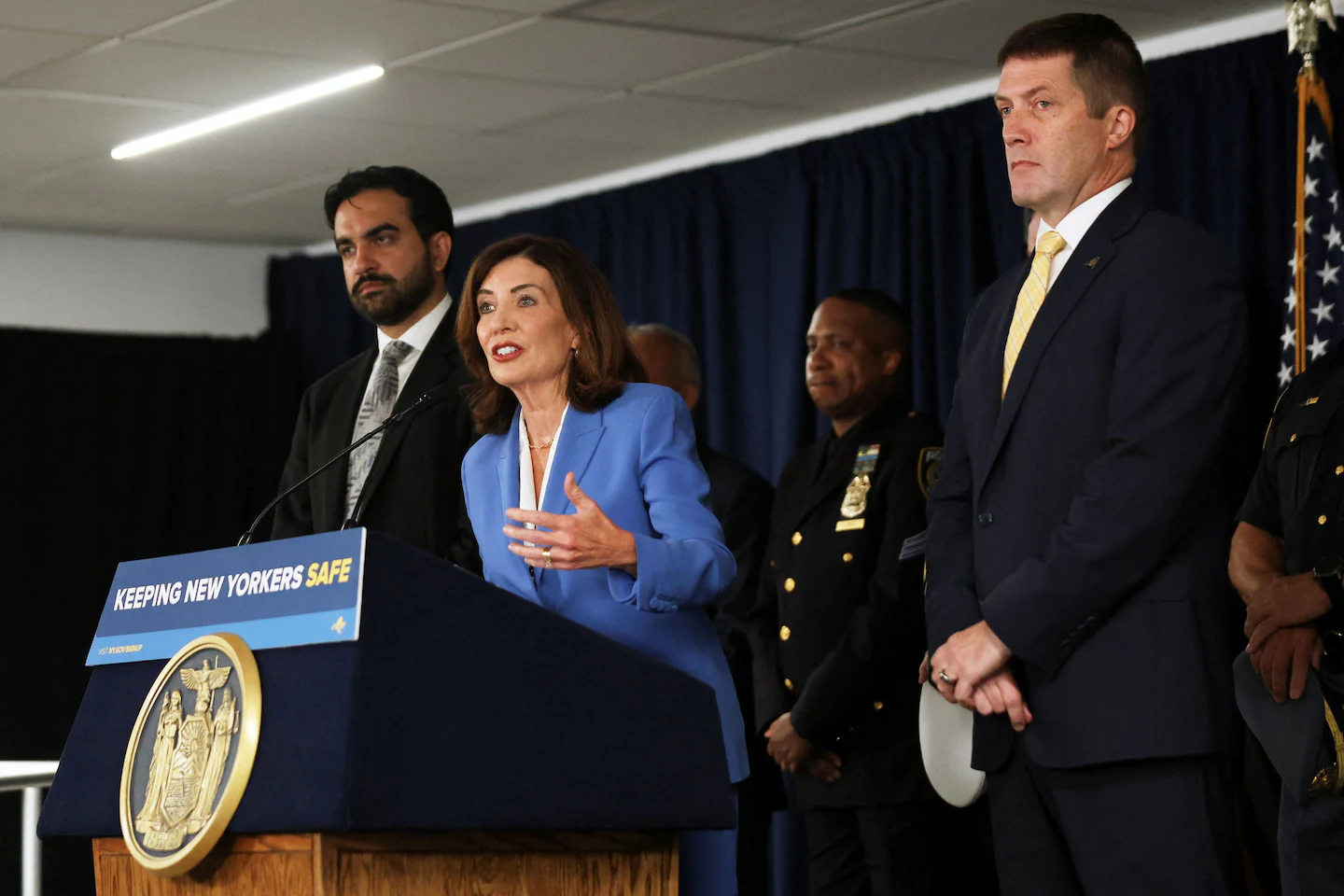
U.S. Senator Ruben Gallego says returning to the CUSMA negotiating table is the best path toward repairing the fractured Canada-U.S trade relationship, while arguing Democrats could rein in President Donald Trump’s tariff powers if they take control of Congress in November.
“I do think we should be repealing all of our tariffs between the United States and Canada, whether Trump is there or not, and I think the next president that comes in also should recognize that tariffs between the United States and Canada is just dumb,” Gallego said at a press conference on Tuesday in the U.S. Embassy.
The Arizona Democrat said his visit was intended in part to reassure Canadians that Democrats do not share Trump’s administrative approach to the relationship, while emphasizing the economic stakes for his home state.
This comes as U.S. Senate Minority Leader Chuck Schumer is set to introduce legislation to repeal President Donald Trump’s latest tariffs on Canadian goods, as well as the separate duties that the Trump administration says are linked to forced labour supply chains.
Sydney Ko reports.

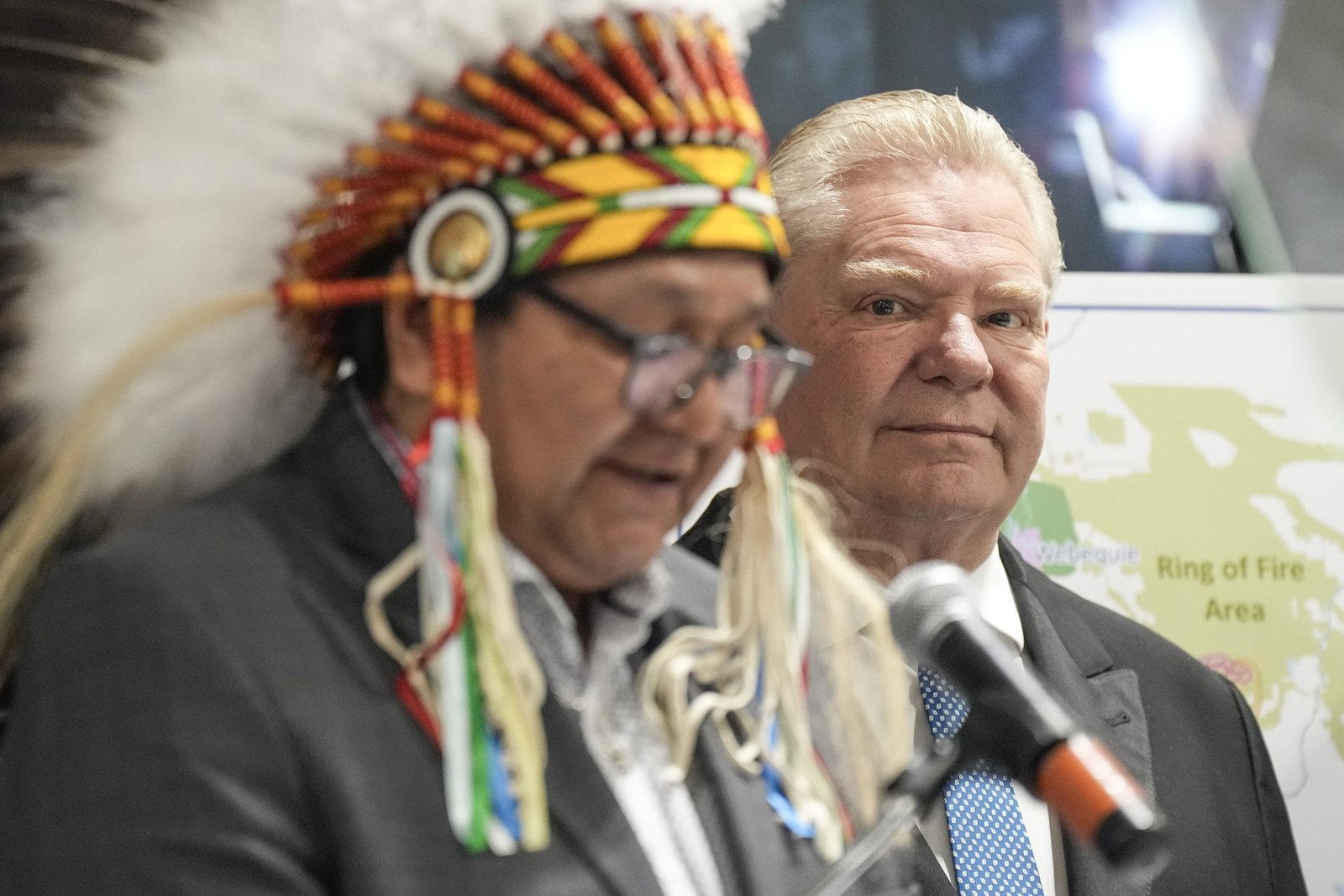
The federal government has signed off on the 230-kilometre Marten Falls Community Access Road, which would help link Ontario’s provincial road network to the promising Ring of Fire mineral deposit.
The road, which runs north from Nakina to Marten Falls First Nation, is the longest stretch of a network Ontario has spent years trying to build. The province broke ground in June on the other community access road, this one serving Webequie First Nation.
In a decision published Monday, federal Environment Minister Julie Dabrusin ruled the Marten Falls Community Access road “is likely to cause adverse effects within federal jurisdiction that are, to some extent, significant” but that these are “justified in the public interest.”
Impact Assessment Agency reports point to environmental effects such as caribou and wolverine habitat changes, and fish habitat losses that may not be offset locally.
Several species at risk, including lake sturgeon and several migratory birds, are also likely to experience adverse effects.
Aya Dufour has more.

Also, Federal Sport Secretary Adam van Koeverden says Ottawa’s push to get more Canadians physically active is about more than producing elite athletes.
He says investment in sport can strengthen communities and the country at a time of increasing tensions with the United States.
Speaking Tuesday at the National Yacht Club in downtown Toronto, van Koeverden promoted the federal government’s investment in sport while visiting the Able Sail program supported through the Community Sport for All Initiative.
The former Olympic kayaker said the program is one of hundreds receiving federal support as part of Ottawa’s broader $1-billion commitment to sport, which the government has billed as an investment spanning “playground to podium.”
“Sport is our greatest nation builder,” van Koeverden said.
Read more from Barbara Patrocinio.
In Other Headlines
Internationally
The death toll from catastrophic flooding in Nepal and China has reached 1,019, and more than 4,400 people remain missing as rescue crews work to reach communities cut off by the disaster.
In an update on Tuesday, Nepal’s National Disaster Risk Reduction and Management Authority (NDRRMA) revised the number of deaths to 1,003 from 987, with 3,916 people missing, including 583 foreigners.
Chinese authorities reported 16 deaths and 546 people still missing, including 261 foreigners, in their most recent update on Sunday.
The disaster hit on August 26, beginning with a chain of events high in the Himalayas, when a glacial collapse sent large amounts of rock, ice, and meltwater into valleys below, triggering powerful floods downstream.
Scientists studying satellite imagery said the collapse appears to have involved the failure of bedrock beneath a glacier.
Al Jazeera has more.
Congress has eliminated the threat of a politically perilous government shutdown this fall.
The House voted Tuesday to extend federal spending at current levels with a few exceptions through Dec. 11, punting the funding fight until after the midterm elections.
Federal funding was set to run out again Sept. 30, and lawmakers on both sides of the aisle were eager to avoid a prolonged shutdown as voters head to the polls.
The legislation passed the House 370-48 with bipartisan support.
The Senate already easily passed the measure, known as a continuing resolution, in August. The White House encouraged lawmakers to support the stopgap, and President Trump is expected to sign it.
Read more from NPR.
In Other International Headlines
The Kicker
It’s not everyday that you see a news headline that’s calling on boaters to avoid “mysterious floating island.”
That’s what some folks are being told in northern British Columbia, as a floating island has reappeared on a lake after “drifting about 30 kilometres in two weeks.”
B.C. Hydro says boaters should resist the urge to visit the island as it’s based on an unstable mass of logs and decaying debris.
Read more here.