dailynewsnblog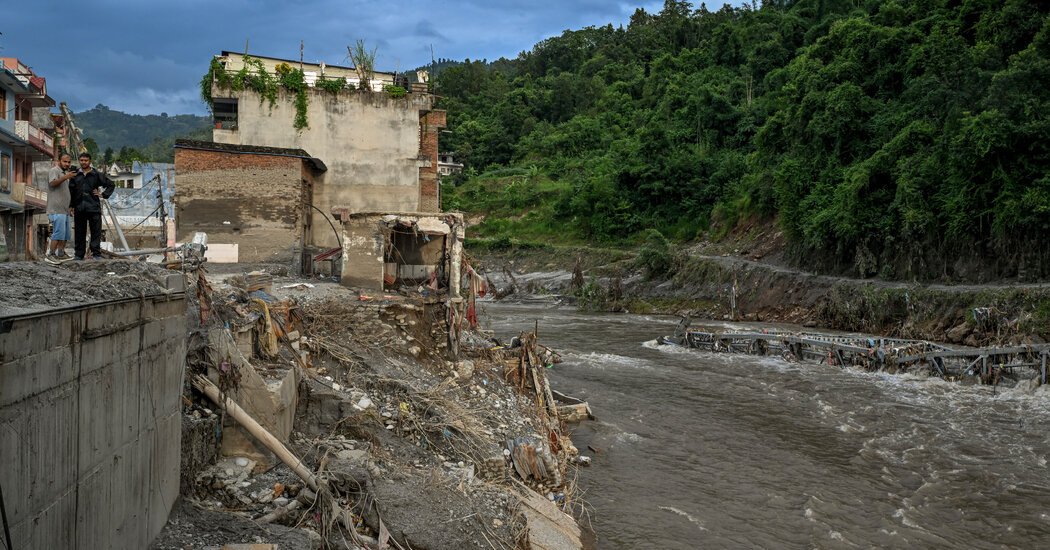
Many pilgrims to Mount Kailash, a sacred, snowcapped peak in the Himalayan region, only complete the trek once in their lifetime.
Making the trip to the remote mountainous region on the border of Nepal and Tibet can take months of planning, a small fortune and untold physical fortitude. The goal for those who make the journey is to take a step toward spiritual awakening on God’s doorstep.
When Amita Amin, 67, left her home in New York for Kailash this month, shepherding a small group of other local Hindu pilgrims, she was marking her seventh journey to the mountain — and her second trip this year.
“She believed in God so much,” said Aditi Patel, Ms. Amin’s daughter-in-law. “She just wanted to be close to his abode, as much as possible.”
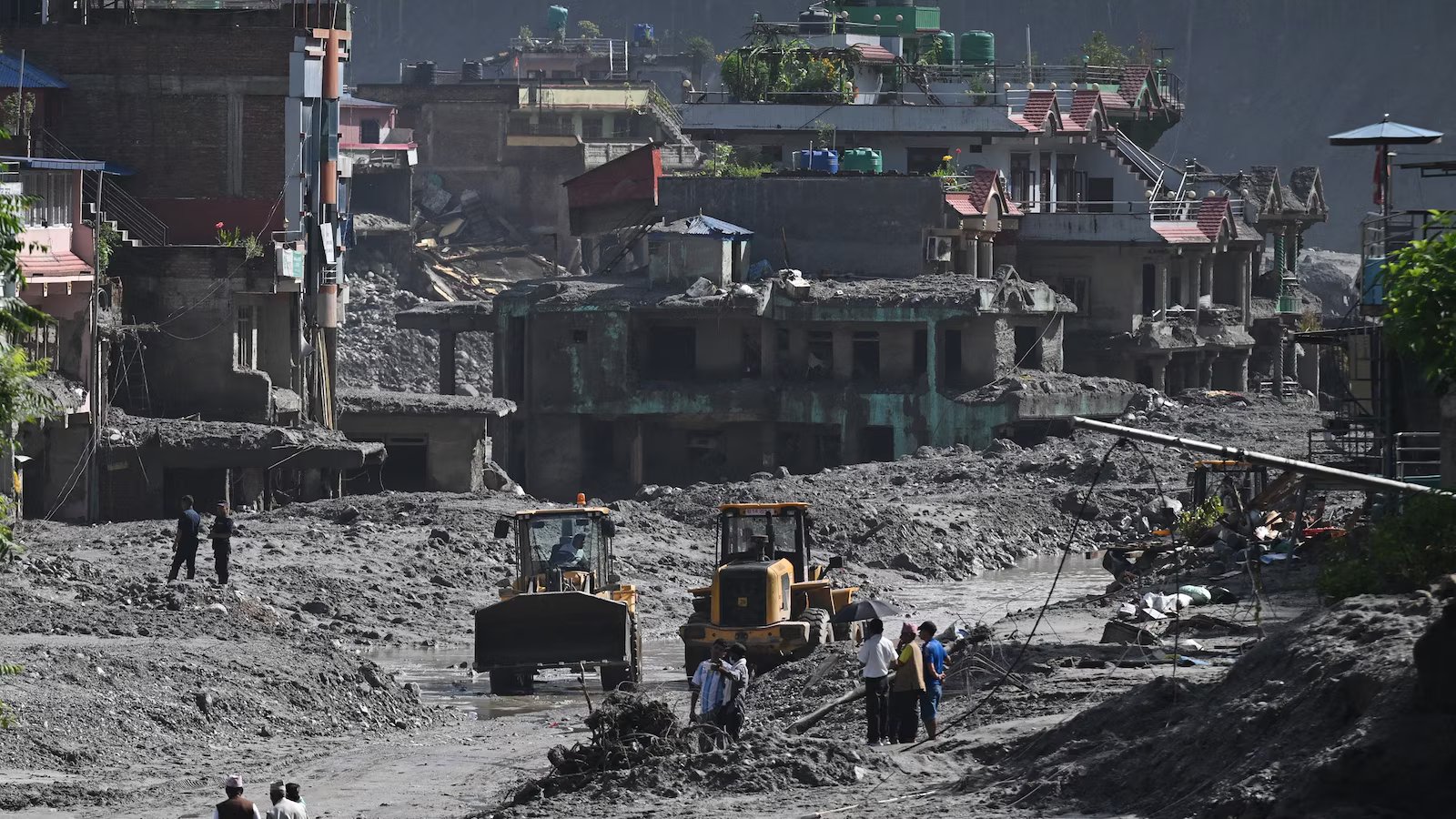
Ms. Amin’s group was at the border on Wednesday morning, according to Dipak Lamicchane, who runs Trekking Planner Nepal, the tour company Ms. Amin uses on her trips. A flash flood triggered by glacial runoff ripped through the region about an hour after their last communication, he said from his home in Kathmandu, Nepal.
The group of pilgrims and their three Nepalese guides, including Mr. Lamicchane’s son-in-law, have not been heard from since.
Tens of thousands of tourists and pilgrims have already traveled to the area around Kailash this season, which runs from about May to September, Mr. Lamicchane said, because of colder weather during the rest of the year. Adventurers of all stripes visit the site, which regularly tops lists of the world’s best treks for its pristine natural beauty and rugged terrain.
The area is also sacred to Hindus, Buddhists, Jains, Sikhs and those who follow the Bon tradition of Tibetan Buddhism. Visiting Kailash is not about conquering the mountain. It is about surrender, a belief that the journey itself draws pilgrims closer to the divine.
Hindus believe Mount Kailash is the home of Shiva, the god of destruction, transformation and meditation, and his wife, Parvati. The mountain is also an impressive topographical feature, a natural pyramid that slices 21,778 feet into blue Tibetan skies.
“It is generating an inner heat, Hindus would say,” said Dr. Steven Vose, a professor at the University of Colorado Denver who studies South Asian religious traditions. “That heat is transformative. It helps you step closer to enlightenment and liberation.”
A typical pilgrimage involves walking around the entirety of the mountain, about 33 miles, over several days. Snow melt from the mountain, which is believed to be so holy that attempts to summit its peak are banned, feeds Lake Manasarovar, also a holy site believed to be where Shiva bathes.
“If you’re auspicious enough,” said Dhruv Amin, Ms. Amin’s son, “you may even see him come down the mountain to bless you at night.”
Mr. Amin, 43, made the trip with his mother in 2010. He had already visited four sacred Hindu temples in India, and going to Kailash was a final pilgrimage before entering his medical residency. Trekking the mountain with his mother, he said, felt “as if God was watching us.”
“When I think of God,” Mr. Amin told The Times, “I think of the mountain.”
For Tibetan Buddhists, Mount Kailash is believed to be the dwelling place of a tantric deity, a place where pilgrims go to purify themselves, obtain blessings and advance their spiritual journey toward awakening.
Followers of Jainism, an Indian religion that aspires to spiritual purity and nonviolence, believe that their first spiritual teacher attained liberation by ascending the mountain. It is considered “the high-water mark of devotion, combined with yoga and asceticism,” Dr. Vose said.
In Sikhism, the mountain is said to be where the faith’s first guru undertook a famous dialogue with yogis of the Himalayas.
Kailash is “such a significant geographic and multi-faith landscape with spiritual potency,” said Nikky-Guninder Kaur Singh, a Sikh scholar and the chair of religious studies at Colby College in Maine. Ms. Singh’s mother’s name is Kailash.
Across all faiths, the journey to and around Mount Kailash was once only thought possible through mythical attainment. Even in the modern era, the trip remains arduous. Some pilgrims, particularly Tibetan Buddhists, enhance the already difficult journey by prostrating themselves the entire length of the trek.
“There is sacrifice involved,” said Dr. Jeffery D. Long, a professor of religion, philosophy and Asian studies at Elizabethtown College in Pennsylvania. “It adds to a sense of sanctity, humility, wearing down your ego.”
Ms. Amin did not anticipate making her latest pilgrimage to Kailash. But Tejal Patel, Ms. Patel’s mother, had never made the journey and wanted to do so alongside family. About six months ago, the two women began planning. Ms. Patel, 64, started going to the gym.
A small group of other local Hindus decided to join them, preparing for the trip through video calls. Neelam and Ramesh Sharma, a couple from Queens, undertook the pilgrimage as part of their retirement. The pair, both in their 60s, have also not been heard from since the flood, their family said.
The risk involved in such a voyage was not lost on pilgrims like Ms. Amin. Before each trip, her son said, she would remark that it might be her last.
At least 675 deaths have been confirmed as a result of the catastrophic floods, and another 2,400 people were missing as of Saturday. More than 7,000 survivors have been rescued.
Mr. Amin wants to believe that his mother is stranded on the Chinese side of the border, where the bridge connecting China and Nepal has been destroyed and communication lines have been cut off. He hopes the group will be found, alive. That way, Ms. Amin can tell the tale of their miraculous survival, there at the door to God’s house.