dailynewsnblog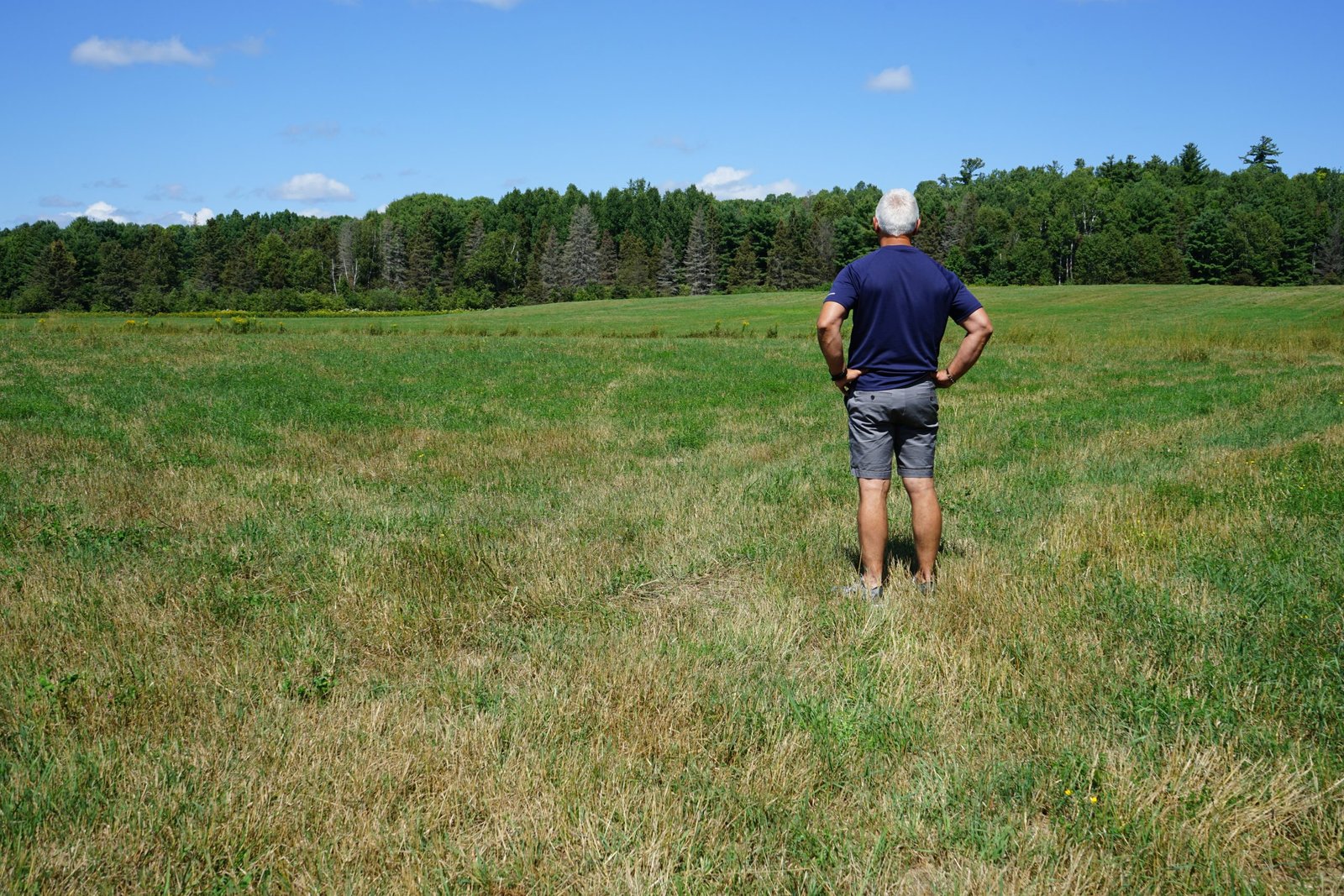
A 141-megawatt solar project near Massey has federal ambition behind it and a provincial contract in hand, but faces increasingly organized local opposition.
Welcome to Massey, population 1,000. It’s one of the many places in Ontario’s north the grid operator has picked for new utility-scale solar, part of a push to meet electricity demand that’s expected to surge in the coming decades.
On the back roads northeast of the village, where Hydro One transmission lines cut across fields of bush and farmland, developer Potentia Renewables found landowners willing to lease about 800 acres for a massive solar project.
The proposal ticked all of the grid operator’s boxes. It offered enough non-emitting power for more than 27,000 homes at a competitive price, on land the township hasn’t designated prime agricultural and that is currently used to grow hay.

Atikameksheng Anishnawbek and Wahnapitae First Nation would hold a majority stake. And the township’s current council passed a resolution of support last year.
None of that has stopped local residents, some 2,000 of whom have signed a petition against the project, from campaigning to stall or kill it.
“Nobody in our group is saying that we shouldn’t have solar energy,” said Chloe Bichette, one of the founders of the Massey Wildlife Conservation Committee. “It’s just in the wrong location.”
The Manitoulin North Shore Federation of Agriculture and the Massey Agricultural Society have also come out against the project, arguing that land used for farming should stay in farming whatever the official plan calls it.
Many here argue the panels belong somewhere else, on a parking lot in Sudbury, on rooftops, anywhere but hay fields.

But the developer says the scale rules that out.
Between the need for transmission capacity, available land and the province’s protections for prime agricultural land, it argues, only a narrow set of places in Ontario works for a project this size, which is why so much of this round landed in the north.
But in Massey, opponents are organizing.
A communications battle
It is not a position Potentia is used to. The Toronto-based developer owns or operates nearly 1,300 megawatts of wind and solar in operation, under construction or under contract, much of it in Western Canada.
“Our experience in Massey has been different from our other projects,” said Jennifer Tuck, Potentia’s vice-president of government affairs and communications.
“Every community is its own case, and in most of our other builds we’ve seen people come around once they had the full picture. In Massey, we’re still working toward that same kind of community acceptance, and we’re putting in the effort to earn it.”
The company currently faces a communications battle it can’t fully fight, because many of the studies that would answer residents’ questions about environmental impacts are still underway. Meanwhile, social media is loud with claims that the project would leak toxins into the soil, wipe out farmland for good, send pesticide runoff into wetlands, and threaten a natural spring that has supplied residents with drinking water for decades.

In a township that spent years losing farms until Mennonite families began arriving two decades ago, the potential loss of farmland is the core issue.
The committee claims the loss would be permanent, while Potentia says it lasts only as long as the project does, until 2050 at the earliest. The company says the soil beneath solar panels often improves over time and could be farmed again if the landowners wished.
The studies that would settle this and other concerns are not yet available to the public, but the committee isn’t waiting and is determined to challenge the company’s findings whenever they come.
Hot issue in local politics
The project is set to shape the fall municipal election.
Coun. Mike Merceria, the only member of council to vote against last year’s resolution of support, is running for mayor, and says his colleagues got it wrong.
The committee also hopes to swing the result toward a council that will oppose the project.
“We want to get a council who is willing to say, ‘Maybe this wasn’t the best decision based on historically what our township is and what the actual use of these lands are,’” Bichette said.
The group’s main argument is that the land where the panels would go is Class 3 soil, which the province’s planning statement lists among the farmland to be protected, though the township’s official plan doesn’t designate it as prime agricultural.
The group says it should have been, and might have been, had council updated the plan before voting.
Mayor Kevin Burke acknowledges the township is “a little bit overdue” for a review of its plan, but that it “wouldn’t have changed council’s decision on this.”
In any case, the next council to be elected in October won’t have the power to undo the province’s contract with Potentia. As far as the grid operator is concerned, the township said yes, and it doesn’t ask the question twice.
But the local government does keep its regulatory powers. A council so inclined could stall the project by sitting on site plan approvals or road permits, causing expensive delays that could threaten the project.
Consultations ongoing in neighbouring First Nation
The project is also located on an old settlement of the Sagamok Anishnawbek, whose reserve borders Massey.
The First Nation was not consulted before the contract was awarded, and objected on that basis. It has since signed a capacity agreement that will fund community consultations to determine its position.
Chief Angus Toulouse is wary of that initial objection being folded into the campaign against the project.
“We were initially opposed because we were excluded, and [some] took it to mean that we were opposed to the project entirely, believing that it is environmentally harmful,” he said. “Certainly we’re not opposed in general to solar projects.”
Solar, he added, is among the cleanest generation he knows of.
“I think education will go a long way to inform people about what the environmental impacts are,” he said.
Whether Sagamok takes equity in the project, as other First Nations along the north shore have done in the grid’s latest procurement round, will depend on what the archeological and environmental studies find and on where its community consultations land.
For Toulouse, the underlying question is economic reconciliation, and whether future generations benefit from development in Sagamok’s territory.
Potentia will hold a drop-in open house on Sept. 10 in the Sadowski Room at the Massey and District Community Centre, from 4 to 7 p.m. It is the first of two public meetings the province requires as part of the approval process.
Welcome back to Adjournment Proceedings, our weekly long read series. We publish a new edition every Friday.
Missed a week? Take a look through our archives here.