dailynewsnblog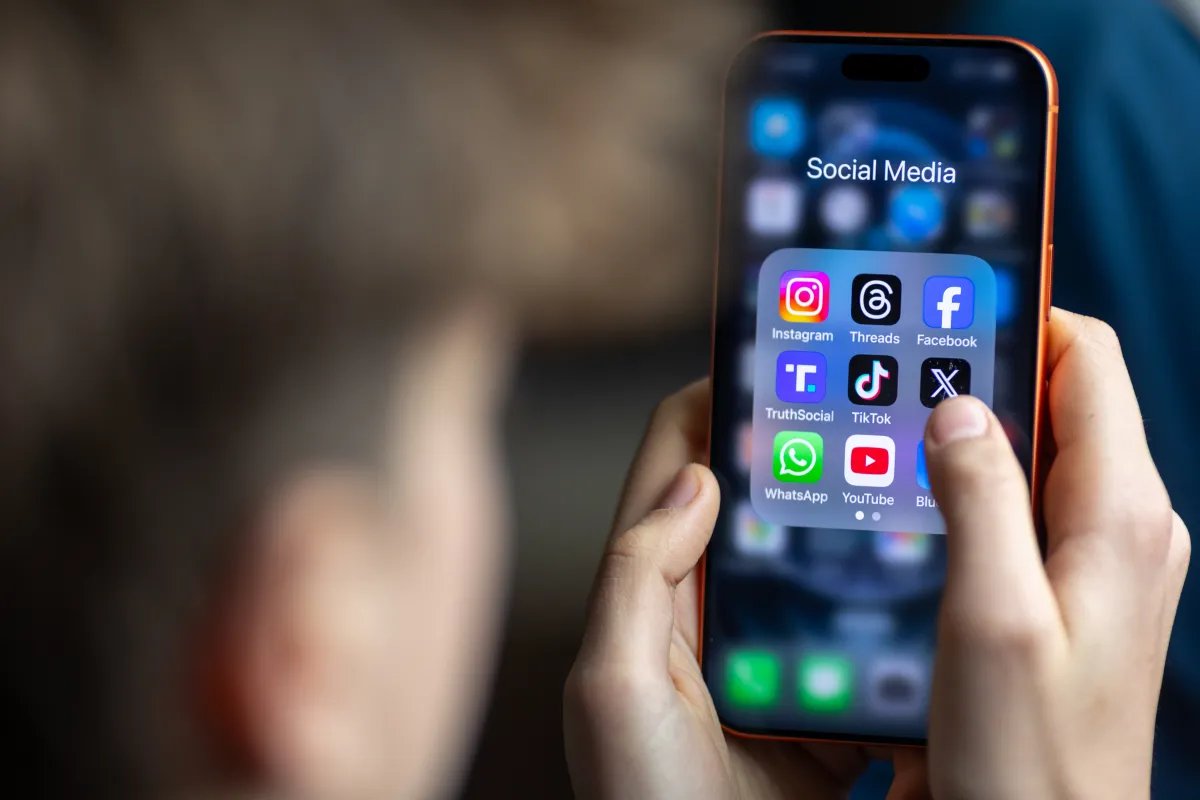
TikTok and its parent company, ByteDance, have reached a $400 million settlement with the U.S. Department of Justice (DOJ) to resolve allegations that the social media platform violated federal laws designed to protect children’s online privacy.
The case stems from a lawsuit first filed in 2024 by the DOJ under the Biden administration. The DOJ alleged that TikTok violated the Children’s Online Privacy Protection Act (COPPA) by allowing millions of children under the age of 13 to use the platform, while also collecting their personal information without the required parental consent.
In addition to paying $400 million, the settlement includes measures intended to strengthen protections for young users. Those changes include stronger age-related controls, additional safeguards for children, and measures designed to give parents enhanced oversight of their children’s activity and personal information. However, the agreement does not require TikTok or ByteDance to admit wrongdoing. Axios was the first to report the news.
The 2024 case alleged that TikTok allowed large numbers of children to remain on the platform for years, despite already facing federal action over children’s privacy in 2019. The company agreed to pay $5.7 million to settle allegations that its predecessor, Musical.ly, had violated COPPA. As part of that agreement, the company committed to taking steps to prevent children under 13 from creating accounts.
According to the allegations, however, TikTok continued to struggle to identify and remove underage users. The case alleged that the company maintained and used information belonging to children, including data that could be used for targeted advertising, even after employees raised concerns about the presence of young users on the platform.
It also alleged that TikTok changed aspects of its registration policies in ways that made it more difficult to determine whether users were old enough to join the service.
The agreement comes as TikTok faces more scrutiny over its approach to user safety. Just days before the settlement, Bloomberg reported that TikTok had intentionally disabled an algorithmic safeguard for roughly 10% of U.S. users as part of an experiment. The safeguard was designed to reduce the possibility that users would be overwhelmed by harmful or potentially damaging content.
The report drew criticism from lawmakers. Republican senator Marsha Blackburn of Tennessee and Democratic senator Richard Blumenthal of Connecticut sent a letter to TikTok CEO Shou Chew and Adam Presser, the chief executive of the company’s U.S. business, questioning the decision.
When you purchase through links in our articles, we may earn a small commission. This doesn’t affect our editorial independence.