dailynewsnblog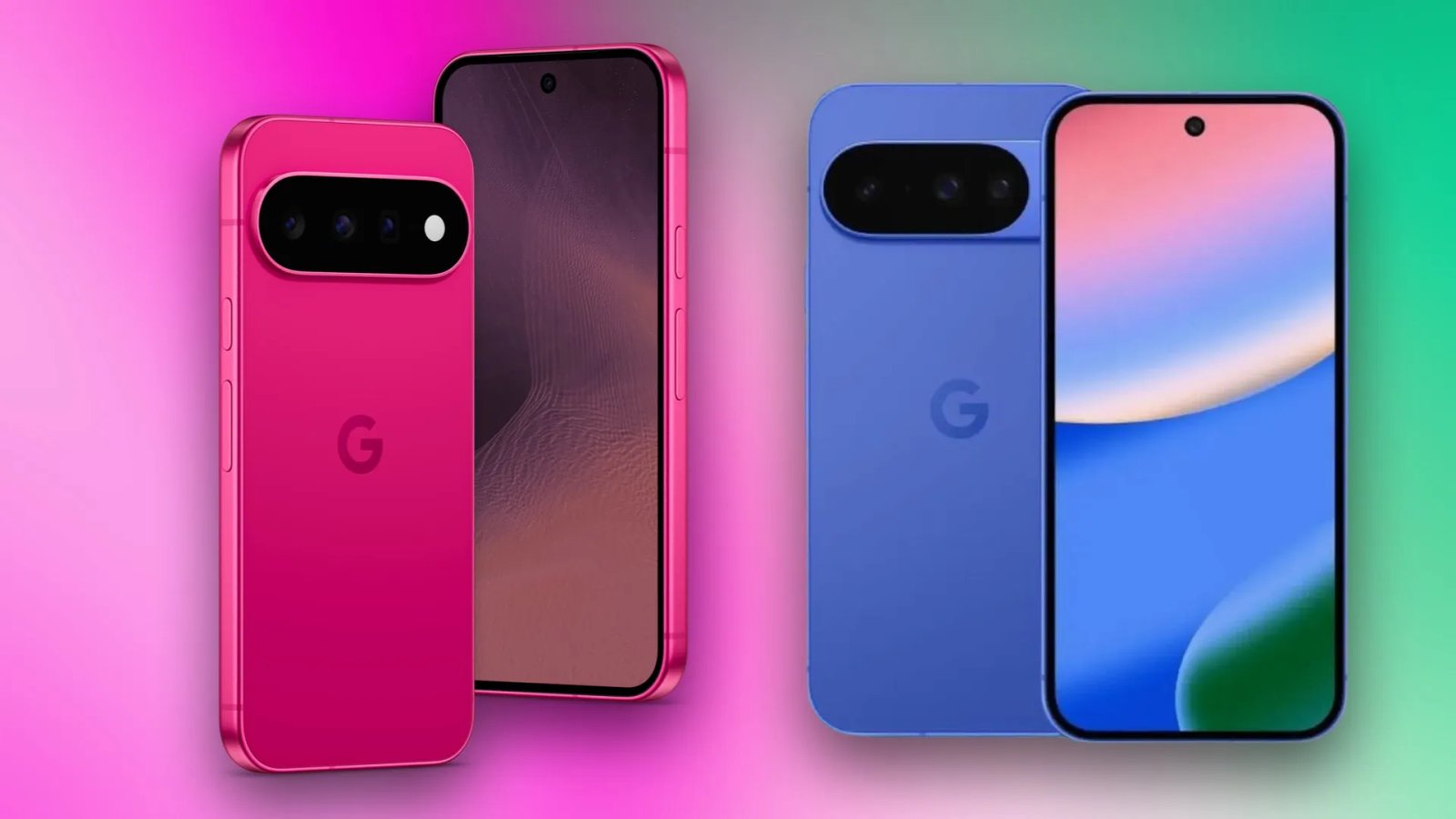
Google’s new Pixel 11 is finally here. It has a more efficient Tensor G6 processor, improved camera software and some new Gemini Intelligence features, like Magic Capture that uses AI to pull the best still images from a video clip – great for parents.
However, some of the more interesting new features in the Pixel 11 series, such as the HiLight ambient LED array that lights up different colors to notify you of an incoming call and the 120x Pro Zoom, are exclusive to the 11 Pro and 11 Pro XL. The Pixel 11, therefore, is actually not too different from last year’s Pixel 10.
The entry point for the Pixel 11 is $100 more expensive because Google has dropped the 128GB storage option. The Pixel 10’s 128GB variant is priced at $799, but the 256GB model is $899. Yes, the 256GB pricing hasn’t changed with the Pixel 11, and now it’s also the most affordable version you can get.
And while Google hasn’t discounted the Pixel 10’s starting price, at the time of writing, there are sizeable discounts on last year’s phone. Best Buy has a 128GB Pixel 10 for $600 when activated on Verizon. The Pixel 11 is now available to preorder and will be in stores starting Aug. 20.
To help you decide which Pixel to get, here’s how the Pixel 10 and Pixel 11 compare in more detail.
Pixel 10 vs. 11: Design and display

The Pixel 10’s display has a 3,000-nit peak brightness, the same as the new Pixel 11.
Celso Bulgatti/CNET
When viewed from the front, the Pixel 11 and Pixel 10 look practically identical. Both have a 6.3-inch OLED screen with a peak brightness of 3,000 nits. They also both have a 60-120Hz variable refresh rate and the same dimensions – 6 by 2.8 by 0.3 inches – though the Pixel 11 is ever so slightly lighter at 6.9 ounces (the Pixel 10 is 7.2 ounces). That difference is about the same as the weight of a mini “fun size” chocolate bar.
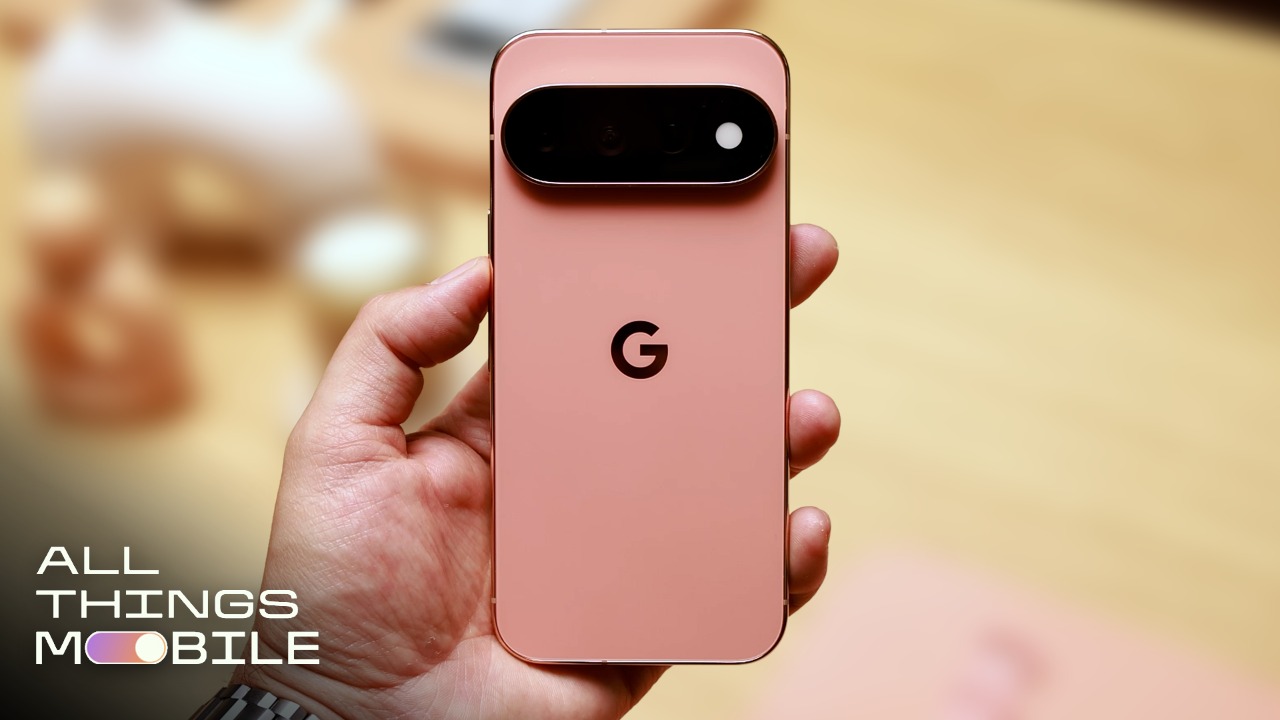
The camera bar on the back brings the biggest differences in design. The Pixel 10’s three-camera array is covered in glass, but the LED flash is housed in a metal enclosure to its right. The Pixel 11’s camera bar, on the other hand, is edge-to-edge glass, which looks a lot sleeker and seamless in appearance.
Color-wise, the Pixel 10 is available in indigo, frost, lemongrass and obsidian, while the Pixel 11 is available in frost, pistachio, hibiscus and obsidian.
Pixel 10 vs. 11: Cameras

Both Pixel phones have the same triple-camera array on the back with a 48-megapixel wide-angle camera, a 13-megapixel ultrawide and a 10.8-megapixel telephoto. The Pixel 11 does add a new, longer 30x digital zoom, and Google says it has improved light sensitivity and larger sensors. CNET Senior Editor Mike Sorrentino is obsessed with the Pixel 11’s expanded digital zoom and spent much of his time at a press briefing trying it out.
Most of the Pixel 11’s camera changes are software-based. There’s a new Magic Capture mode that uses AI to select the best still frames from a short video clip. Magic Capture seems perfect for parents, so they don’t have to take a photo at the ideal moment. Another feature is Camera Looks, think Photographic Styles on the iPhone, that let you add unique color tones and analog film styles to the photos you take.
Pixel 10 vs. 11: Battery and power

The Pixel 10 has a 4,970-mAh battery while the Pixel 11 has a 4,985-mAh battery. That’s a rather marginal difference, though Google said the Pixel 11 has an Adaptive Battery feature that should deliver 30-plus hours of battery life on a single charge. We’ll have to give it further testing to verify those claims.
Aside from that, the Pixel 11 ships with the Google Tensor G6 while the Pixel 10 has the older Google Tensor G5. On paper, the Tensor G6 processor should make the Pixel 11 more efficient and faster than the Pixel 10 but we’ll have to do more testing to find out for sure. Since both phones receive major OS updates and security patches for seven years, it’s worth considering that the Pixel 10 will be a year old at that point.
You can see more differences between the two phones in the specs chart below.
Google Pixel 11 specs vs. Pixel 10
| Google Pixel 11 | Google Pixel 10 | |
|---|---|---|
| Display size, tech, resolution, refresh rate | 6.3-inch OLED, 2,424×1,080 pixels, 60 to120 Hz variable refresh rate | 6.3-inch OLED; 2,424×1,080 pixels; 60 to120 Hz variable refresh rate |
| Pixel density | 422 ppi | 422 ppi |
| Dimensions (inches) | 6.0×2.8×0.3 in | 6×2.8×0.3 in |
| Dimensions (millimeters) | 152.4×71.1×7.6 mm | 152.8x72x8.5 mm |
| Weight (grams, ounces) | 195 g (6.9 oz) | 204 g (7.2 oz) |
| Mobile software | Android 17 | Android 16 |
| Camera | 48-megapixel (wide), 13-megapixel (ultrawide), 10.8-megapixel (5x telephoto) | 48-megapixel (wide), 13-megapixel (ultrawide), 10.8-megapixel (5x telephoto) |
| Front-facing camera | 10.5-megapixel | 10.5-megapixel |
| Video capture | 4K | 4K |
| Processor | Google Tensor G6 | Google Tensor G5 |
| RAM + storage | 12GB RAM + 256GB, 512GB | 12GB RAM + 128GB, 256GB |
| Expandable storage | None | None |
| Battery | 4,985 mAh | 4,970 mAh |
| Fingerprint sensor | Under display | Under display |
| Connector | USB-C | USB-C |
| Headphone jack | None | None |
| Special features | 30W wired charging, 25W Qi 2.2 wireless charging, Gemini, Magic Capture, Creator Suite Rambler, Live Translate with American Sign Language, IP68 dust and water resistance, 7 years of software and security updates | Gorilla Glass 2 Victus cover glass; 3,000 nits peak brightness; Satellite SOS; Dual-eSIM; Wi-Fi 6E; NFC; Bluetooth 6; 30W fast charging (wall charger not included); Qi2 15W wireless charging; support for PixelSnap magnetic accessories; Google VPN; Super Res Zoom up to 20x; Camera Coach; Add Me; Macro mode; Face Unblur; Auto Best Take; IP68 rating for dust and water resistance; 7 years of OS, security, and Pixel Drop updates; Corning Gorilla Glass Victus 2 polished back with satin finish aluminum frame |
| US price starts at | $899 (256GB) | $799 (128GB), $899 (256GB) |

See full bio