dailynewsnblog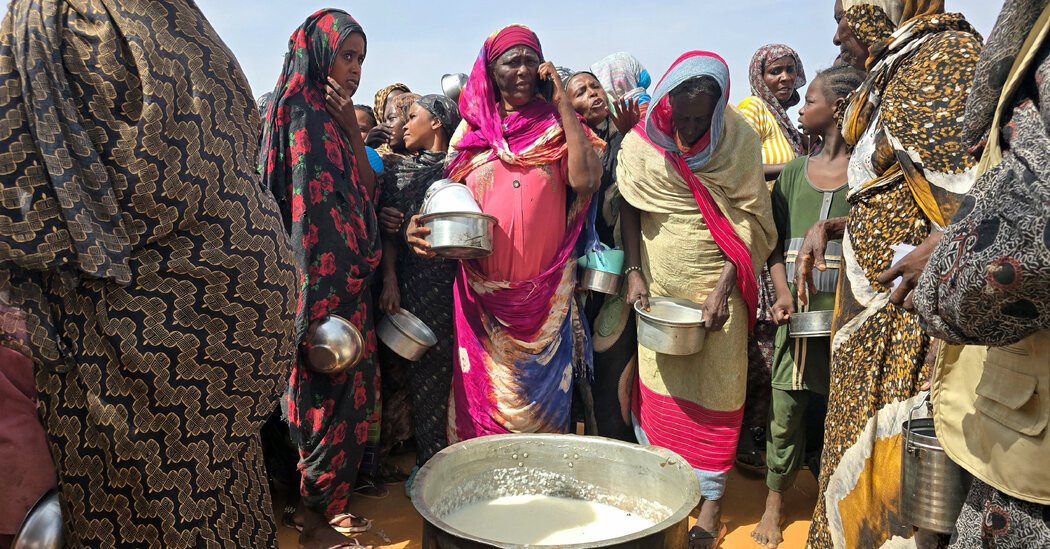
The Rapid Support Forces paramilitary group has pounded the city of El Obeid in south-central Sudan with drones for months. Its goal: wresting it from the Sudanese Army.
The State Department said in June that the paramilitary group was massing its forces around the city and that atrocities could occur if the R.S.F. took control. U.S. officials have warned that El Obeid may suffer the same fate as El Fasher, a major city in Darfur seized last October by the R.S.F., which committed massacres that the United Nations said bore the hallmarks of genocide.
The United Nations and the African Union have echoed those warnings about what could happen if the R.S.F. were to seize El Obeid.
The civil war in Sudan began in April 2023, when the leaders of the military and the R.S.F., which took power in a coup in 2021, fell out with one another. Since then, the conflict has caused one of the world’s worst humanitarian crises, with around 14 million people forced to flee their homes. Some estimates have put the death toll at 400,000. Military commanders have prohibited journalists from traveling to the area. Phone access remains difficult in many parts of the country.
Why does El Obeid matter?
El Obeid is strategically significant, with a highway running through the city that links Darfur, in west Sudan, to the east. A major pipeline in the city transports oil via the Kordofan region to Port Sudan on the Red Sea.
Taking El Obeid would enable the R.S.F. to consolidate its hold on western Sudan, after seizing El Fasher last year. Ahmed Tugud Lissan, a spokesman for the political alliance that is led by the R.S.F., said that the group planned to retake Khartoum, the Sudanese capital, once it had control of El Obeid.
El Obeid had a population of around half a million before the war, and while its present size is unknown, experts with the United Nations say the number of people there has most likely grown in recent months, with residents flocking to the city after fleeing violence elsewhere.
What is the military situation?
Several analysts said this week that the R.S.F. was unlikely to capture El Obeid in the short term. The Sudanese Army is in charge of defending the city and remains firmly in control.
The army seized three towns north of the city in recent weeks, opening up a supply route from Khartoum to El Obeid, which are more than 200 miles apart. “I don’t think it’s ever been that close to falling,” Alan Boswell, Horn of Africa director for the International Crisis Group, said of El Obeid.
Mr. Lissan, for his part, said that his group intended to capture the city and then march on Khartoum, though he acknowledged that it was far from achieving the initial goal.
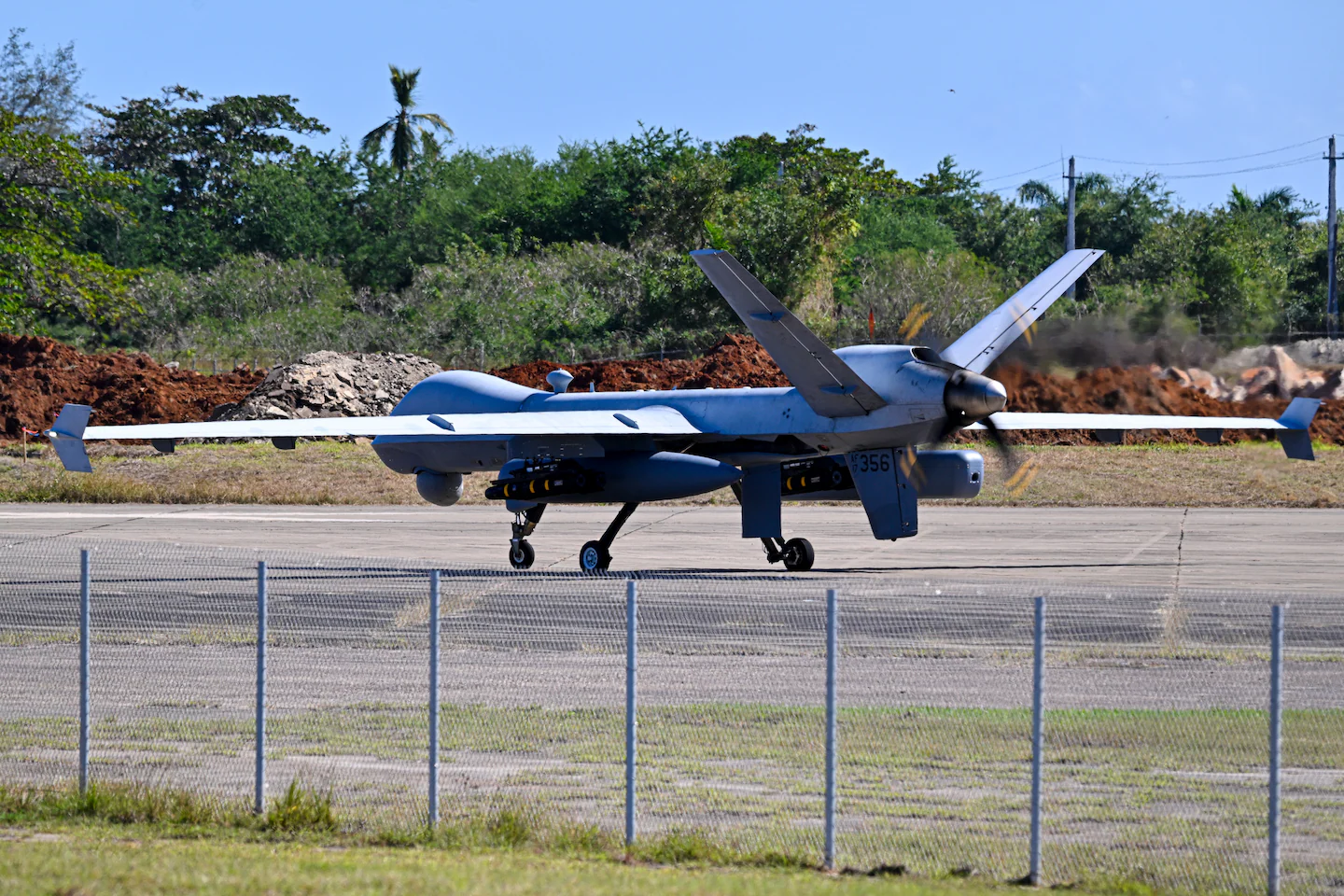
Several analysts said there was evidence the R.S.F. had reduced the frequency of its strikes on El Obeid in recent weeks as drones attacks have become central to the war.
How about civilians?
The R.S.F. has said that its drone strikes in the city have hit only military targets, but human rights groups say they have killed civilians and hit fuel depots and water plants, causing blackouts and water shortages.
Women are particularly vulnerable because of the attacks, according to a report last month by U.N. Women. The strikes have taken place during the day, forcing women and girls to collect water for households after dark. This has, in turn, led to a rise in rape and sexual assault cases, the report said.
What happened in El Fasher?
El Fasher fell in October after a long siege, which ended when R.S.F. fighters swept into the city. They then filmed themselves conducting executions and massacres.
Now there’s fear of a repeat in El Obeid, though analysts said this week that the ethnic rivalries that drove the violence in El Fasher were less pronounced in El Obeid.
Human rights groups have accused the Trump administration, Britain and the European Union of not doing more to prevent the fall of El Fasher, and some said this week that the warnings on El Obeid in June had not been accompanied by concrete action to deter the R.S.F. from attacking the city.
In particular, they said, insufficient pressure had been put on the United Arab Emirates to stop suppling arms to the group. The New York Times and others have reported that the Emirates has supplied drones and other weapons to the R.S.F.
The Emirati foreign ministry has denied the allegations.
“What’s happening in El Obeid is a combination of global negligence and the weapons supplies coming from abroad,” said Mohamed Osman, a researcher with Human Rights Watch.
Both the R.S.F. and the Sudanese Army have been accused of committing atrocities and violating international law.