dailynewsnblog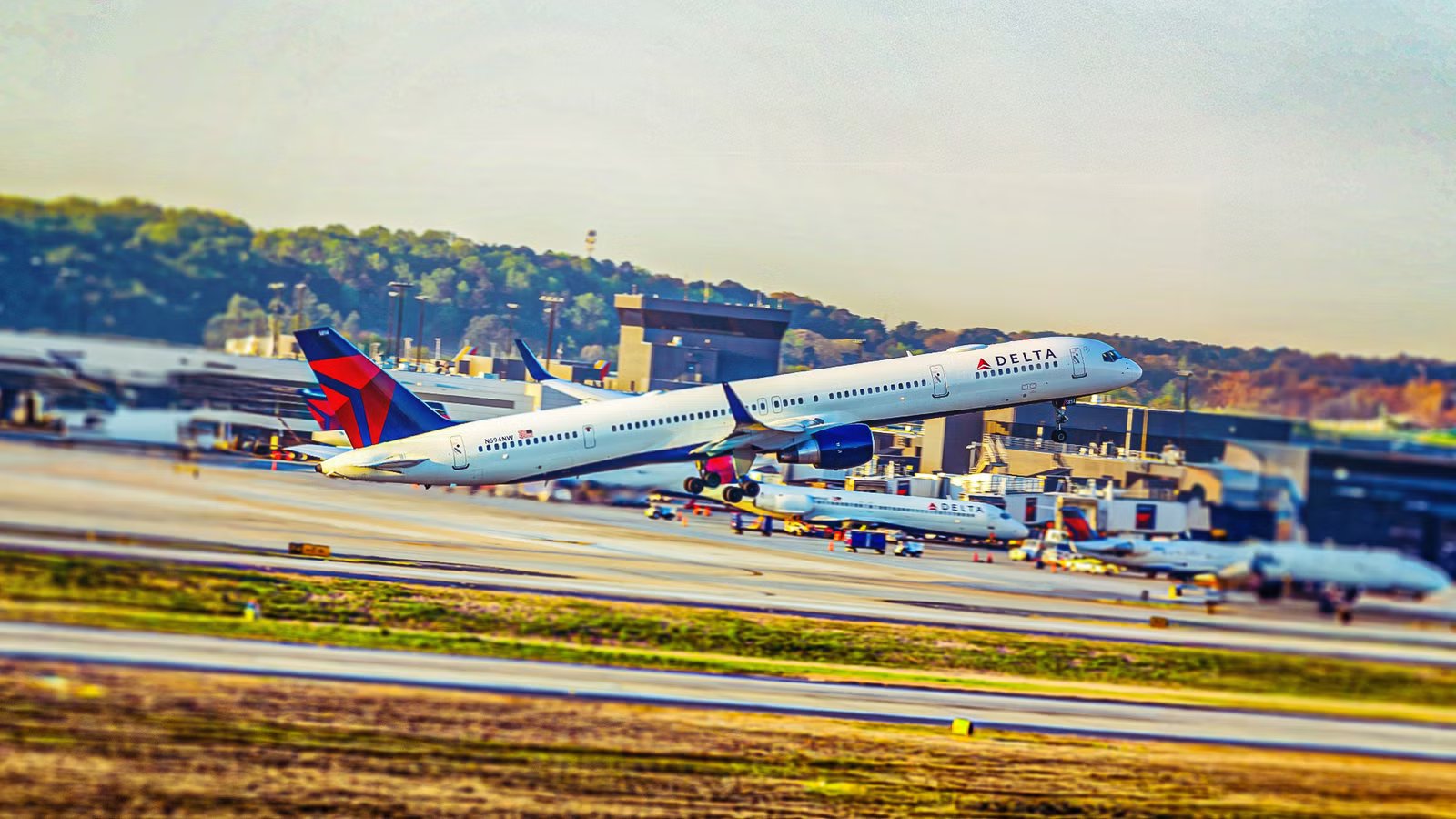
A possible cybersecurity incident involving a  Delta Air Lines flight from
  Harry Reid International Airport (LAS) to
  Hartsfield-Jackson Atlanta International Airport (ATL) is under investigation after an unauthorized Wi-Fi network briefly appeared onboard the Boeing 757. The incident occurred on Delta Flight 591 on August 10, while the aircraft was en route to Atlanta. Delta says no aircraft systems were hacked or affected, but its crew disabled the aircraft’s Wi-Fi functionality for approximately 30 minutes as a precaution. The incident has attracted additional attention because it occurred shortly after DEF CON 34, one of the world’s largest hacking conferences, was held in Las Vegas.
The appearance of an unauthorized wireless network does not mean that the aircraft itself was compromised. However, the incident highlights the cybersecurity risks posed by connected aircraft and the large number of passengers carrying internet-connected devices. Delta is now working with federal law enforcement and aviation regulators to establish exactly what happened. For passengers, the episode is a reminder that an apparently legitimate Wi-Fi network may not always be what it seems.
Delta Crew Shuts Down WiFi After Suspicious Network Appears

The episode took place on Delta Flight 591, which operated from Las Vegas to Atlanta on Monday. According to CBS News Atlanta’s report, an unauthorized Wi-Fi network appeared for a short period during the flight. Delta said there was no hack of any aircraft system, and there was no indication that the aircraft’s operating systems had been compromised.
The crew nevertheless responded by shutting down the Boeing 757’s Wi-Fi functionality for roughly 30 minutes. Importantly, the event did not become an aviation emergency, and no emergency was declared to air traffic control, so the aircraft continued to its destination as usual. Delta said the safety of the flight was never in question, while emphasizing that the investigation remains ongoing. The airline is also coordinating with federal law enforcement and aviation regulators as investigators attempt to determine who created the network and why.
Authorities have previously warned about so-called “evil twin” attacks. In such an attack, someone creates a fraudulent wireless access point that mimics a legitimate network, potentially encouraging users to connect to it instead. Once connected, malicious actors may attempt to intercept information, steal personal data, or otherwise exploit the connection. In this case, however, there is currently no evidence that passengers’ data was stolen or that the network was successfully used for such purposes.
Delta Air Lines released a statement regarding the incident:
“Safety of flight was never in question and no aircraft operating systems were affected. We are fully investigating to gather a complete set of facts, which will take time. We will partner with federal law enforcement and aviation regulators to ensure the incident is thoroughly investigated. We thank our crew for their professionalism and our customers for their understanding.”
Why The Timing Of The Incident Has Raised Questions

The timing of the incident is one of the more notable elements of the investigation. Delta specifically pointed to DEF CON 34, the major cybersecurity and hacking conference that had taken place in Las Vegas over the weekend. DEF CON’s 2026 activities included extensive cybersecurity training at the Las Vegas Convention Center, with courses covering subjects ranging from adversarial thinking and application security to offensive cybersecurity operations.
That connection does not establish that the Wi-Fi network was created by a DEF CON attendee, nor does it mean the hoax Wi-Fi network was necessarily malicious. Las Vegas is a major technology and convention destination, and the presence of a cybersecurity conference simply provides relevant context for investigators examining an unusual wireless event. The proximity in both location and timing could nevertheless make the incident particularly interesting to federal authorities investigating its origin.
For airlines, the episode also demonstrates why onboard connectivity is treated separately from the systems required to operate an aircraft. Modern airliners can support extensive passenger connectivity while maintaining critical flight-control and avionics systems independently. Consequently, disabling passenger Wi-Fi can be an effective precaution without affecting the aircraft’s ability to continue flying normally.
Modern Risks Of Inflight Connectivity

The Delta incident is not the first time an unusual Wi-Fi network or network name has caused concern aboard a commercial aircraft. Airlines have previously dealt with passengers creating suspicious or misleading network names that could confuse other travelers. Our report on a Wizz Air flight on February 8 highlighted one such episode, in which a joke Wi-Fi name regarding a “terrorist” made Israeli fighter jets scramble. The incident attracted attention despite not representing an actual aircraft security incident.
The important distinction in the Delta case is that the airline is investigating an unauthorized network itself, rather than simply an unusual network name. That makes the episode more significant from a cybersecurity perspective, even though Delta has confirmed that no aircraft operating systems were affected. The investigation will need to establish whether the network was an intentional attempt to deceive passengers, a harmless device configuration, or something else entirely. Until those facts are established, it would be premature to conclude that an actual cybersecurity breach took place.
For passengers, the incident reinforces a broader lesson about inflight connectivity: connecting to Wi-Fi should be treated with the same caution as connecting to a public network on the ground. Travelers should verify the network name and follow the airline’s standard login process rather than automatically connecting to an unfamiliar access point. Meanwhile, the investigation will determine whether the brief appearance of the unauthorized network was an isolated incident or part of a more deliberate attempt to exploit passengers’ devices.