dailynewsnblog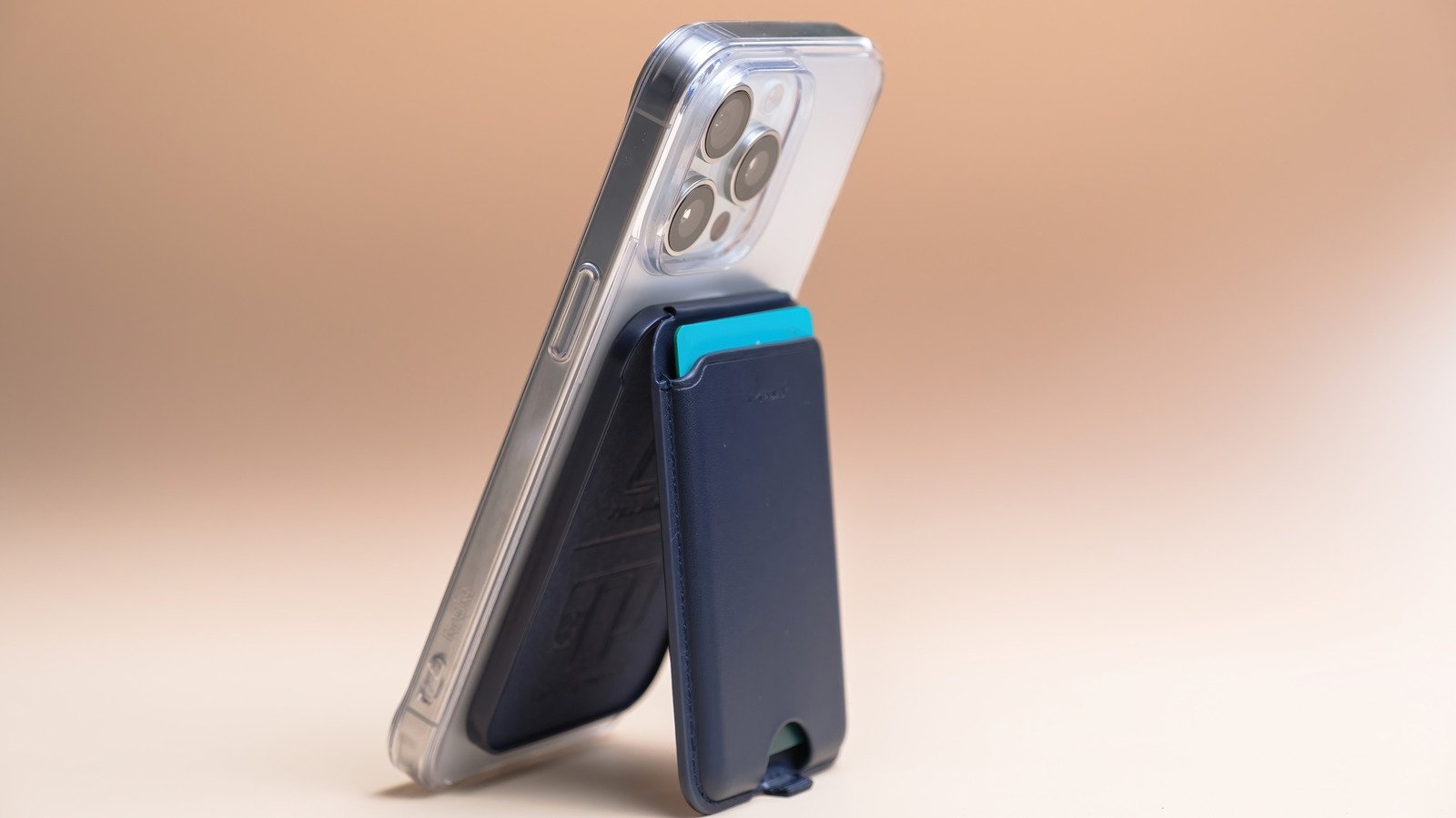
Magnets: how do they work? Pretty much the same regardless of brand name.
MagSafe seemed like a potential gimmick when Apple introduced it on the iPhone 12, leveraging the same branding it had long used for magnetic MacBook chargers. But the simple idea to add a ring of magnets around the wireless charging coil already found in previous iPhones turned out to be more than a way to sell overpriced accessories (though it certainly accomplished that, too). Once you’ve experienced the ease of snapping your phone onto a charging stand or one of the best MagSafe power banks, you’ll never want to fiddle with USB-C cables ever again.
In fact, MagSafe proved so useful that the Android world decided to adopt it from Apple. On non-Apple devices, the magnetic charging ring is part of the Qi2 spec, so rather than calling it MagSafe you should look for a Qi2 label. They’re functionally identical though, so you can snap Qi2 phones and cases directly onto MagSafe-branded accessories.
So far, only a few Android phones have integrated Qi2 directly on-device, most notably in the form of the PixelSnap ecosystem on the Google Pixel 10. Other companies have integrated it into accessories, with Samsung going so far as to claim people don’t need on-device Qi2 because they can simply buy an extra phone case with Qi2 magnets onboard (a position the company reiterated during the launch of the Galaxy Z Fold 8).
With so many developments in the space, some users are bound to wonder whether Qi2 is the same thing as MagSafe, and if so, why it goes by a different name. The answer is, as you might expect, a matter of corporate branding, but also one of control.
Qi2 charging is the open version of Apple’s MagSafe
While the MagSafe name originated with the magnetic clip-on charger found on the 2006 MacBook Pro, Apple leveraged that brand recognition when it added a simple ring of stabilizing magnets to the backside of the iPhone 12. In addition to enabling accessories, it fixed the biggest issue with legacy wireless Qi charging. Phones with wireless charging had almost all used the same Qi charging coil in the back, but non-stabilized charging is inefficient and comparatively slow, since the coils in the back don’t always line up neatly with those in a charging pad. With MagSafe, Apple was able to increase the rated wireless charging speed of the iPhone 12 to 15W, up from just 7.5W.
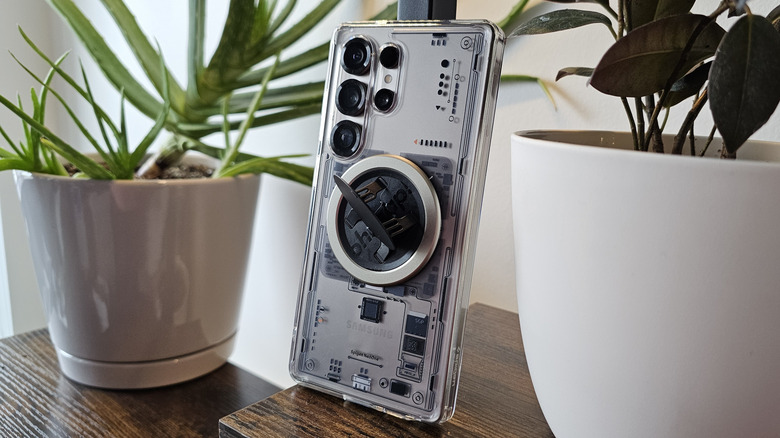
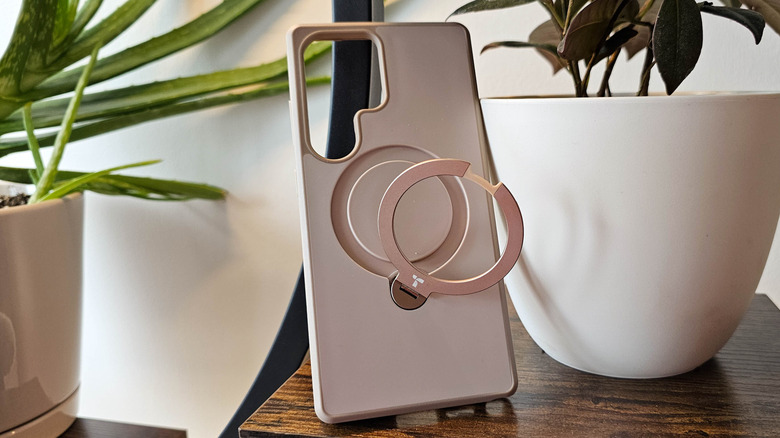
MagSafe on iPhones was a hit, and a new category of mobile accessories quickly stood up around it. Before long, accessory makers began adding the ring to cases for Android devices as well, widening the market beyond Apple owners.
Apple is a member of the Wireless Power Consortium (WPC), which sets the Qi charging standard. In 2023, the WPC announced that Apple had donated MagSafe as the basis for a universal Magnetic Power Profile standard which would be known as Qi2. MagSafe remains a proprietary Apple brand, and accessories bearing the name must go through some certification. But since MagSafe was built on top of the original Qi standard, Qi2 accessories work with MagSafe-equipped iPhones, and vice versa.
MagSafe and Qi2 are the same, as long as you shop carefully
At a core level, there are no technical distinctions between Qi2 and MagSafe as implemented on devices such as the Google Pixel 10 and Apple iPhone 17. Both standards use basic Qi charging coils and the same stabilizing magnet ring. Accessories which work with one will work with the other unless their physical dimensions become problematic (for instance, a power bank designed for the iPhone 17 with dimensions that do not accommodate the Pixel 10’s horizontal camera bar).
With that said, both MagSafe and Qi2 have increased their top charging speeds since the introduction of the iPhone 12. That phone launched with 15W wireless charging over MagSafe. By contrast, the iPhone 17 and 17 Pro support 25W charging over the latest MagSafe revision. Meanwhile, the latest Qi standard (Qi2.2) allows for 25W wireless charging and is supported on devices including the Pixel 10 Pro XL and the Samsung Galaxy S26 Ultra (albeit with a magnetic case).
That means that if you have a phone which supports the latest magnetic wireless charging standards, you’ll need to ensure that any snap-on charging devices you buy also support those speeds. Don’t look for promises of MagSafe or Qi2 compatibility. Make sure that the charger is rated for 25W. As long as that’s clear, it doesn’t matter whether it advertises itself as MagSafe or Qi2.2… at least to anyone outside of Apple.