dailynewsnblog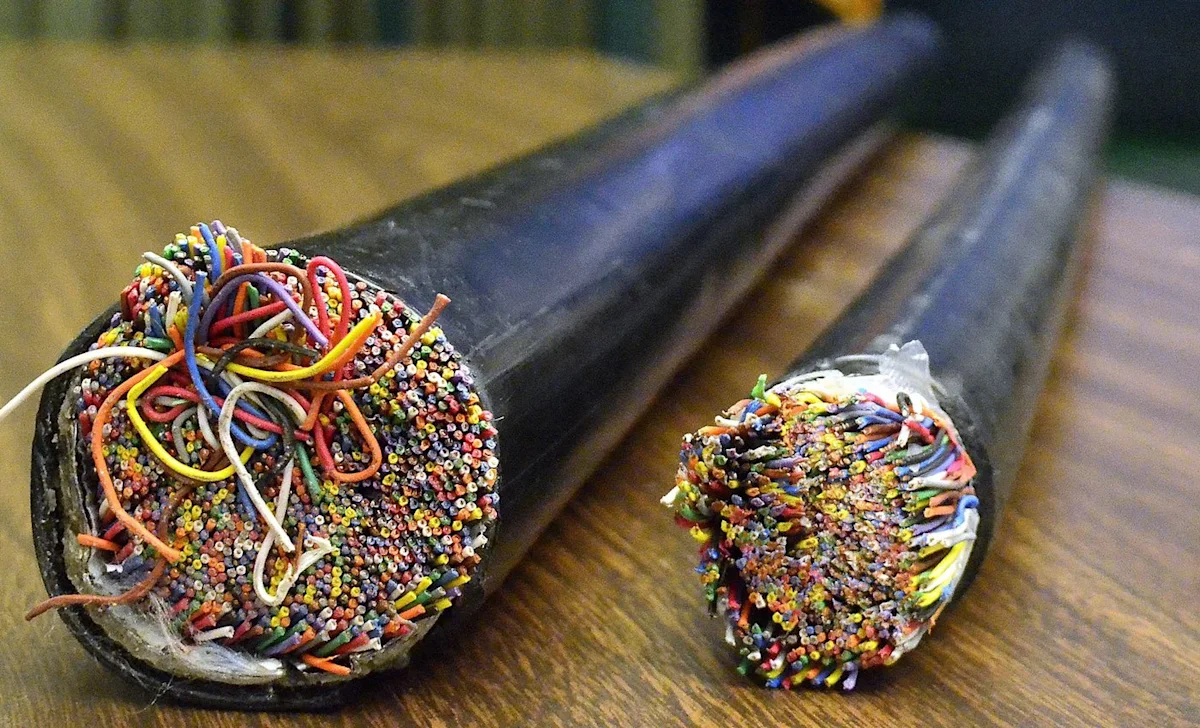

HALIFAX — RCMP in northern and central Nova Scotia are investigating recent thefts of copper wire that have caused phone and internet outages, as well as significant property damage.
The Mounties say that between July 28 and Aug. 4, telecommunications lines were cut and stolen from two separate locations in Colchester County.
As a result, rural residents in and around Debert and Masstown lost their phone and internet services, but the Mounties did not say how long the outages lasted.
In Cumberland County, a long a power line was cut and pulled from the ground outside a building near Southampton on or around Aug. 4, but no other details were released.
And on the same day, RCMP in Hants County were called to a vacant building in Hantsport, where a copper cable had been stolen, resulting in significant damage to the building’s electrical transformer.
Investigators are asking for the public’s help, adding that this type of crime can be “incredibly dangerous.”
Canadian telecom companies have been complaining about the growing number of copper wire thefts for years. In December 2024, the industry reported more than 1,300 thefts since January 2022. And the Canadian Telecommunications Association said thefts and vandalism had quadrupled in the previous year.
As well, an industry spokesman told a Senate committee that it takes an average of 10 to 12 hours for telecom providers to repair damaged internet, television and phone lines.
Major companies such as Bell Canada and Telus Corp. have been decommissioning some of their copper lines in recent years amid a long-term pivot toward fibre-optic networks. But as the transition continues, many homes still depend on copper network connections to make 911 calls.
The ongoing problem is often complicated by the fact that damage to copper wires can often harm fibre optic lines that are sometimes bundled together.
Meanwhile, police say investigations of copper wire thefts are often hampered by the difficulty in identifying the owner of stolen metals, which can be melted down and sold with no way to identify their origin.
This report by The Canadian Press was first published Aug. 8, 2026.
The Canadian Press