dailynewsnblog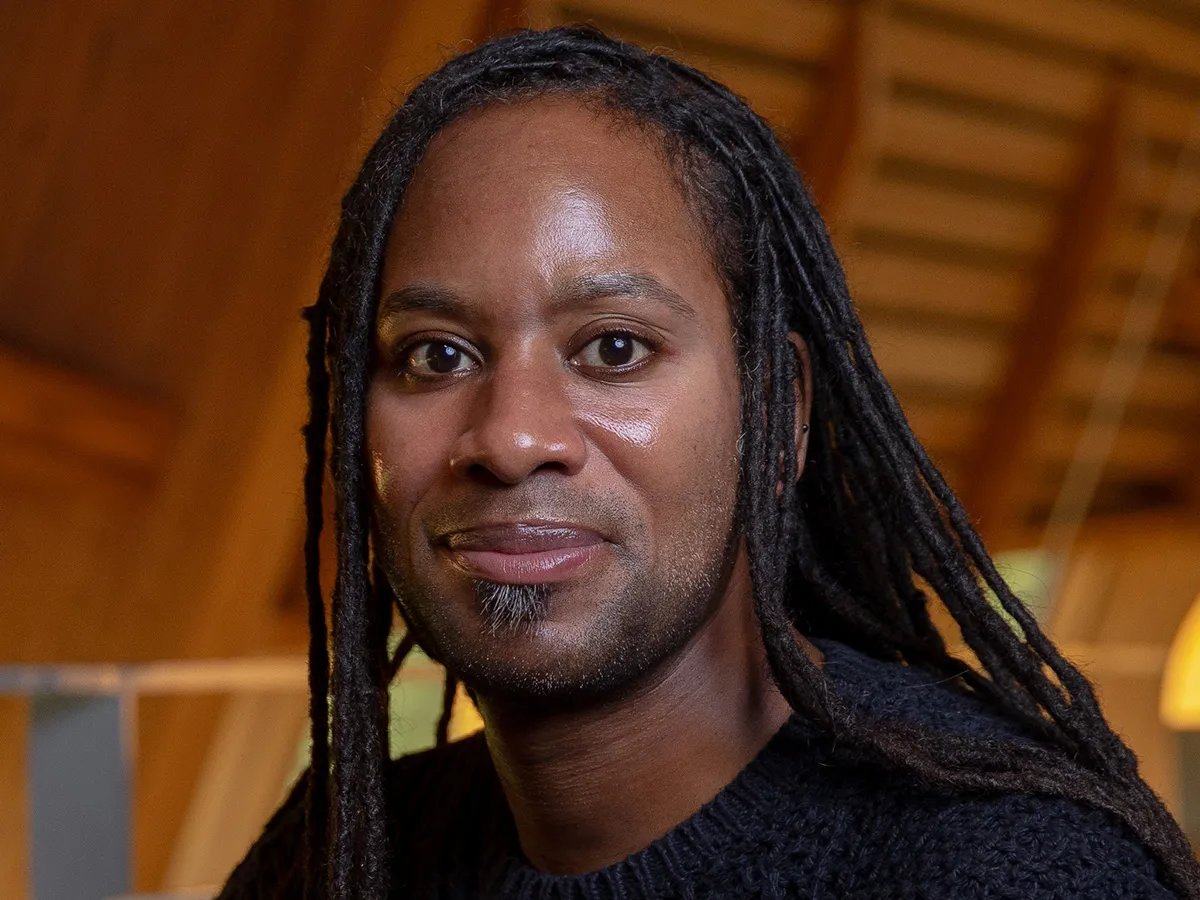
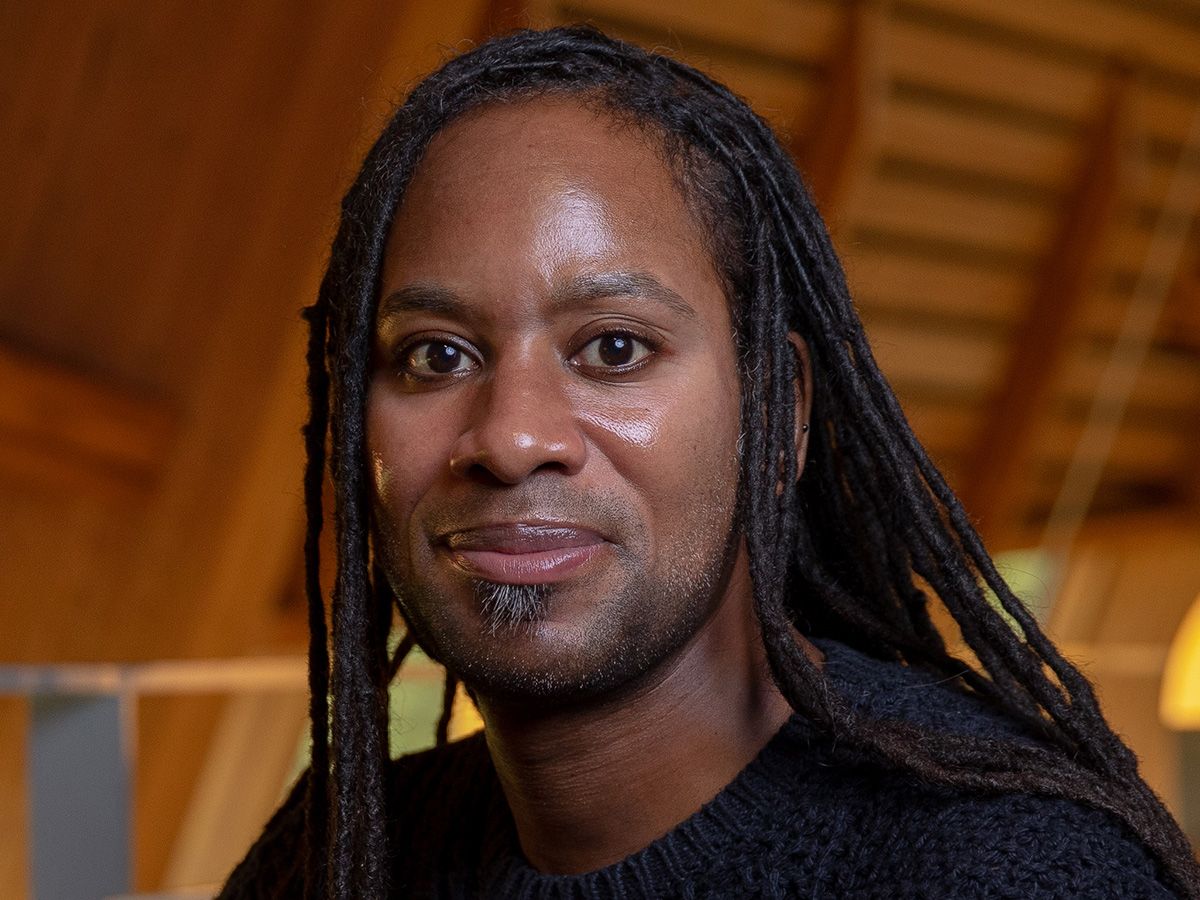
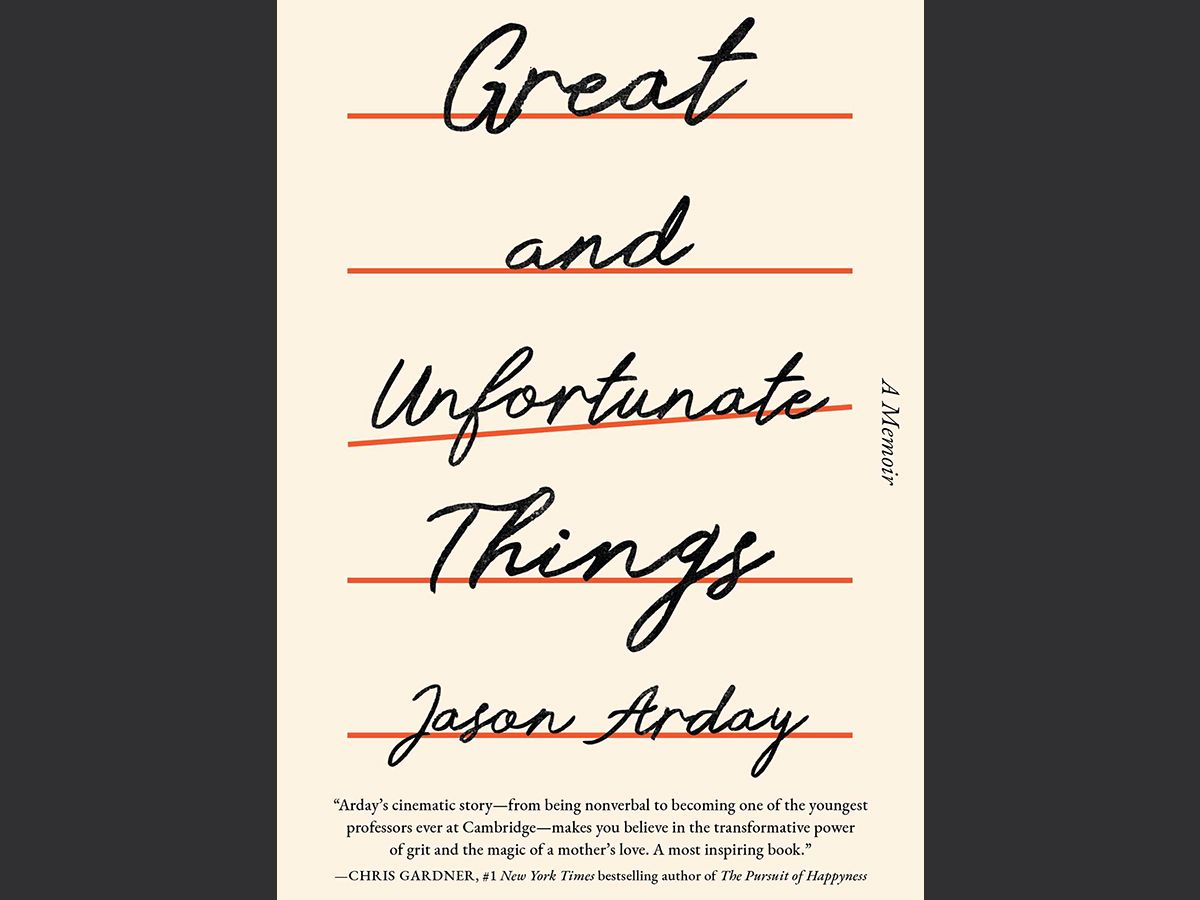
Jason Arday’s memoir goes on sale Tuesday, six days after he resigned from Cambridge as the university opened an investigation into his qualifications.
Arday was 37 when Cambridge made him a professor in 2023, the youngest Black professor in the university’s history. The life behind it made international news. He writes that he was diagnosed with autism and developmental delays at three and did not speak until 11. His publisher, Simon & Schuster , describes him as illiterate until 18.
He resigned from Cambridge and from Jesus College on Aug. 5, the same day the university said it had new information about his academic qualifications and honorary appointments. Weeks of plagiarism allegations against his 2015 doctoral thesis came first. Liverpool John Moores University, which awarded the PhD, cleared him, The Atlantic reported . Arday told The Times of London he had made mistakes but had not fabricated anything.
“The relentless accusations, speculation and public commentary have taken a profound toll on me and on those I love,” Arday said in a statement posted by the Good Law Project . His decision to resign should not be mistaken for acceptance of the narratives around him, he wrote.
The prologue and first chapter are available on the publisher’s website. The Atlantic read the finished book and obtained a copy of his book proposal. “ The story that it tells should not be taken at face value; it differs notably from other versions of his life that Arday has shared in public and in private, including in the original proposal he sent out with his agent,” wrote senior editor Daniel Engber. Here are five things we learned from reporting on the memoir.
A prophecy in a Rio favela
The book opens on a prophecy. Arday writes that he was 21 and on a relief mission in Brazil in 2006, installing water pumps in Rio de Janeiro’s favelas. The woman translating for him put a hand on his arm and told him he was destined to do great things, and “destined for very sad and difficult things as well.”
The boys who attacked him turned up in his class
The Atlantic reported that Arday wrote that he was a teenager when a group of boys attacked him, an assault that left him epileptic. They were arrested. At sentencing he asked the judge not to jail them, he wrote in the book. Years later two of them were in his class at a London university he does not name, and had become coaches for at-risk youths. Both hugged him, and one asked him to be godfather to his child.
He wrote his thesis on a train, two fingers at a time
While working on his doctorate, Arday taught by day, stocked a supermarket overnight from 11 p.m. to 5 a.m., then cleaned from 5:30 a.m. to 7:30 in the morning. What was left was the train. London to Liverpool, five hours each way. He writes that he did his 2015 thesis there, laptop on the tray table, typed two fingers at a time, The Atlantic reported.
A brain tumour, months before the thesis was due
A brain tumour turned up on a scan months before the thesis was due, The Atlantic reported. Surgeons took it out. A ministroke followed and his short-term memory went with it. He had spent more than 30 months on it, he writes, and read it as if for the first time. One examiner at his thesis defence said she was struggling to see any original contribution, the standard a PhD has to meet. He passed.
The Eagles song he credits with saving his life
The tumour comes back and his marriage ends, The Atlantic reported. Then autistic burnout during the pandemic, an exhaustion that kept him in bed, and a decision to end his life. What interrupted it was a song. He put on the Eagles’ “Take It to the Limit,” and the pause was long enough for a relative to reach him. His decision to listen to the Eagles, he writes, likely saved his life.
What the book proposal said
Arday sold the book on a 2024 proposal his agent sent publishers, which The Atlantic obtained. It tells parts of his life differently. In it he describes a car hitting him as a teenager and spending three months in a coma, conscious throughout because of locked-in syndrome, while doctors suggested withdrawing life support. He woke “miraculously,” he reportedly wrote. None of the coma is in the finished book, where those months pass at school with Arday sitting his final exams. The proposal also describes testicular cancer where the book only describes two brain tumours, The Atlantic reported.
The prophecy is different too. In the proposal, the year is 2005, and the woman is a town elder known locally for foretelling people’s lives, whom Arday elsewhere calls a shaman woman. “Every event she described,” he wrote there, according to The Atlantic, “has since come to pass.” In the book he writes that “you might say” her prediction came true.
The Atlantic asked his editors in the U.S. and Britain why the coma and the elderly shaman woman were not in the book. Neither answered.
Simon & Schuster and Arday did not respond by deadline to requests from National Post for comment. The publisher told The Atlantic the company “is proceeding with publication.” The requests to Arday went through his literary agency and the Good Law Project.
Great and Unfortunate Things goes on sale Tuesday. “This is not the end of my work,” Arday wrote in his resignation statement. “It is simply the end of this chapter.”