dailynewsnblog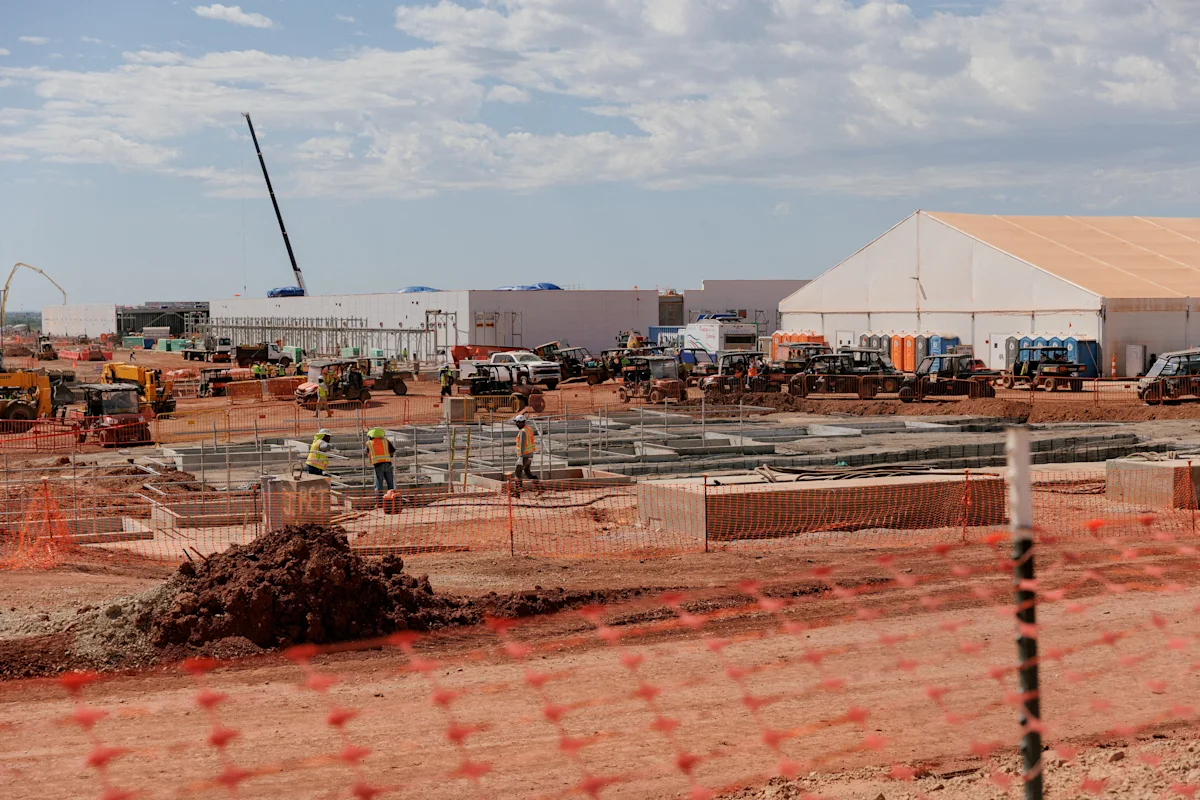
Hiring is cooling across the economy. The AI build-out is still putting people to work — but in hard hats, not hoodies.
US employers shed 23,000 jobs in July, while construction firms added 22,000. Nearly all of that construction hiring came from the nonresidential and infrastructure side of the business.
Over the past year, those nonresidential and infrastructure categories added 126,000 jobs. Residential construction lost 44,000.

The Bureau of Labor Statistics does not label those workers “AI jobs.” But the hiring is landing in the same places as the investment boom — data centers, factories, power infrastructure, and the electrical, HVAC, concrete, site prep, and engineering work needed to build them.
The biggest gain came from nonresidential specialty trades, which added nearly 78,000 jobs over the past year. Nonresidential building construction added another 28,000, while heavy and civil engineering added 21,000.
That tracks with where the AI money has been going. Hyperscalers are writing enormous checks for chips, data centers, and power, while soaring data-center electricity demand is turning the power grid into another constraint on the build-out.
Joe Brusuelas, chief economist at RSM, has been watching that spending work its way into the labor market. In June, he described a “historic cap-ex super cycle” supporting demand for construction and goods-producing workers.
The scale is enormous.
“The two-year run rate on AI infrastructure investment is $1.6 trillion. We’re expecting $4.5 trillion to $5 trillion over the next five years,” Brusuelas told Yahoo Finance in June.
There were smaller echoes in July’s data. Architecture and engineering added 4,600 jobs, while durable-goods manufacturing added 18,000.
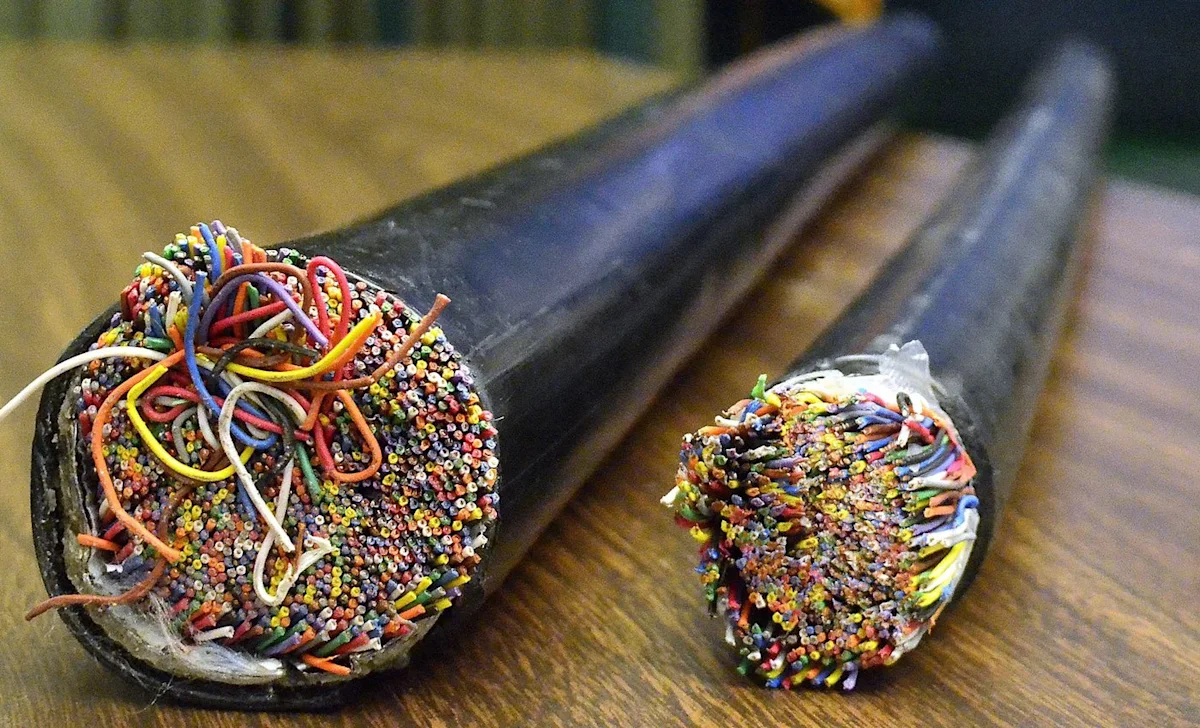
The further AI moves from the chatbot into the physical world, the more copper, power equipment, concrete, chips, servers, and labor it requires.
Apollo chief economist Torsten Sløk offers another way to see the same boom. (Disclosure: Yahoo is a portfolio company of funds managed by affiliates of Apollo Global Management.)
The closer you get to the physical infrastructure behind AI, the stronger the profits currently look. Energy and grid companies in his analysis keep an average $0.41 of operating profit for every dollar of revenue, silicon and equipment companies $0.34, and compute and cloud companies $0.24.
Models and applications, by contrast, lose an average $0.59 for every dollar of revenue.
That makes the hard-hat economy one of AI’s clearest beneficiaries. It also leaves it dependent on someone continuing to finance the build.