dailynewsnblog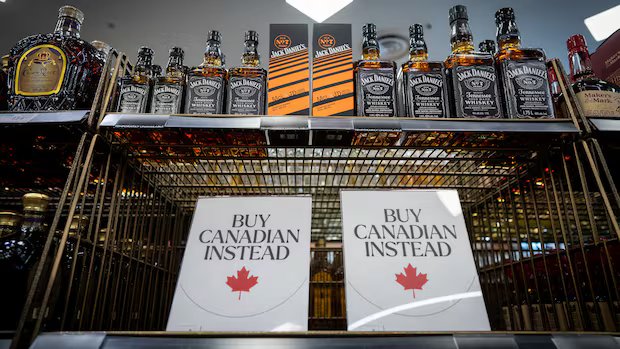

Listen to this article
Estimated 5 minutes
The audio version of this article is generated by AI-based technology. Mispronunciations can occur. We are working with our partners to continually review and improve the results.
Deb Anderson can’t remember the last time she bought a product from the United States.
Like many Canadians, the 65 year old from Prospect, N.S., said she’s been alarmed by U.S. President Donald Trump’s repeated threats against Canada — and she’s been boycotting American goods in protest.
So when she read on Friday that Canada was prepared to lift a ban on American alcohol sales as part of its trade negotiations with the Trump administration, Anderson says she felt disappointed.
“But just because it goes back on the shelves doesn’t mean that sales are going to go back to where they were. The damage has been done,” she told CBC in an interview.
Anderson says the “constant badgering and unfair negotiation practices” from the U.S. have “really give us a bad taste for all things American.”
Anderson doesn’t appear to be alone in her feelings: Sixty-nine per cent of Canadians said they weren’t likely to buy American alcohol if it goes back on store shelves, according to a Nanos Research poll published last month.
Support for a continued boycott of U.S. alcohol was highest in British Columbia, where 80.9 per cent of respondents said they were unlikely or somewhat unlikely to buy U.S. booze again if it’s made available.
That was followed by 74.7 per cent of people in Ontario and 73.9 per cent of Quebecers who said the same, the poll found.

With most Canadian provinces vowing to keep U.S. alcohol off store shelves in response to President Donald Trump’s latest tariff threats, CBC’s Eli Glasner asks: are the booze bans an effective pressure tactic or merely political symbolism — and an inconvenience for consumers.
Steep decline in U.S. alcohol imports
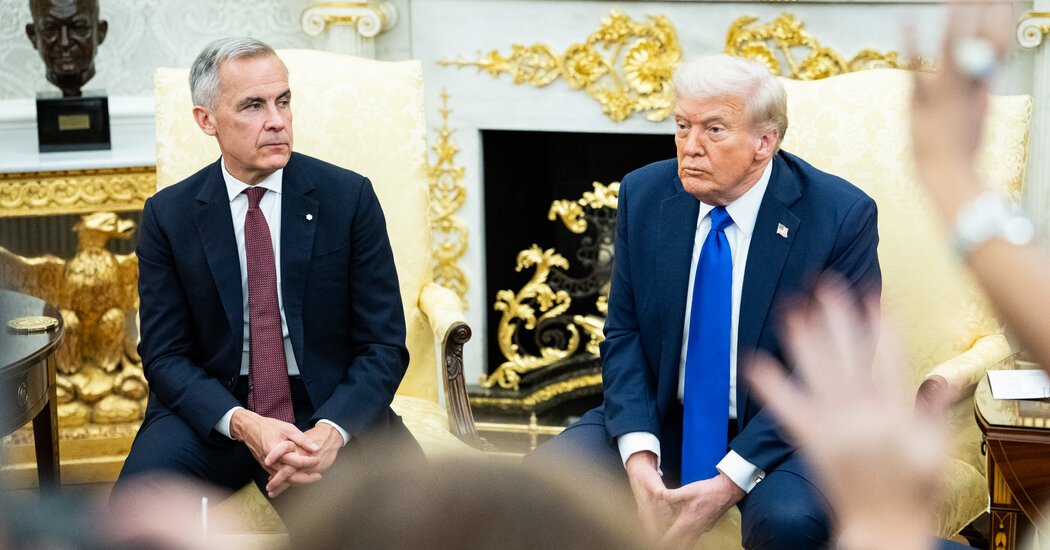
Industry sources with knowledge of Canada-U.S. trade negotiations told CBC News that the Canadian government was prepared to lift bans on alcohol sales as it negotiates possible concessions in exchange for U.S. tariff relief.
Trump has threatened to impose 50 per cent tariffs on some Canadian goods on Aug. 19 if Canada fails to lift some retaliatory trade measures against the U.S., including the alcohol bans.
Those bans date back to early last year, when several provinces removed U.S. alcohol from the shelves at their respective liquor boards in response to Trump slapping a 25-per-cent tariff on Canadian goods.
Ivan Gedz, who owns the bar Union Local 613 in Ottawa, says his stockpile of American booze ran out two months after U.S. supplies were taken off the shelves at the Liquor Control Board of Ontario (LCBO) last year.
But Gedz says customers at the bar, which had previously offered a wide range of American spirits, didn’t bat an eye at not having access to bourbon and other alcohol made south of the border.
Instead, the U.S. alcohol ban encouraged patrons to try booze they’d never had before.
“There’s nothing I love more than giving someone an Indian whisky and they’re like, ‘India? I didn’t even know India made whisky,’ ” Gedz told CBC News in an interview. “They’re producing excellent stuff — it’s just we don’t get a ton of it.”

Changing tastes?
The need to seek out alternatives is something that was seen in other parts of Canada, too.
Quebec’s liquor board, the Société des alcools du Québec (SAQ), said in its 2026 annual report that “fans of U.S. wines have turned to counterparts from other regions” amid the ban.
“Canadian wines, including Quebec wines, have gained popularity and now rank ahead of Australia’s,” the report said, adding that Austrian wines were also becoming more popular in “a sign that customers are curious and open to discovering new countries of origin.”
Nicole Raufeisen is director of operations at Grape Witches, a bar and wine bottle shop in Toronto that continued to sell U.S. wines it already had stocked when the ban came into effect.
“We’ve slowly ticked away through those products. I think we’re down to maybe just one or two different wines,” she told CBC in an interview on Friday.
If the ban is lifted, Raufeisen says she expects customers will again reach for wines they enjoy from the U.S., such as fuller-bodied reds from California. “People will go back because those wines are good, that market share is well-trodden, so to speak, and the visibility there is high.”
But she added that demand for American wines can also be attributed to trade barriers between provinces.
While nine provincial premiers announced last month that they would introduce direct-to-consumer alcohol sales between provinces, Raufeisen says restrictions on wholesale wine sales between provinces remain a major challenge.
“If there were no interprovincial barriers to the wholesale movement of wines, then it’s possible that no one would miss any of the American wines,” she said, noting that B.C. wines are comparable to those from California.

U.S. President Donald Trump, speaking from Las Vegas on Wednesday, praised his government’s use of tariffs and once again mentioned Canada, saying, ‘I love the people’ but that the country has ‘nasty leadership.’
Back in Ottawa, Gedz says Union Local 613 would probably bring U.S. booze back if the ban is lifted as part of a wider trade agreement between the two countries.
But he says he doesn’t expect American alcohol to be as popular as it once was because many Canadians “have exposed themselves to products that they may not have tried” without the ban in place.
“I’m just hoping that those customers maintain their willingness for experimentation,” Gedz said. “And you know what? If we stick it to the Americans for a little while longer, I’m cool with that.”