dailynewsnblog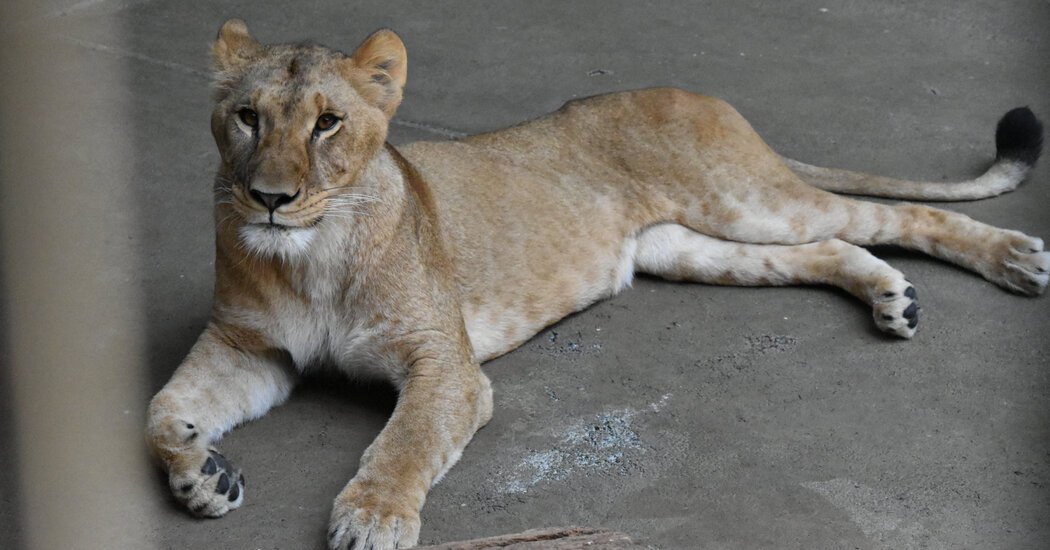
Three female lions have died at a zoo in Japan after suffering heat-related illnesses, staff at the facility said. The country is grappling with a blast of extreme heat that has led zoos to rethink how to protect their animals.
The lions, named Mugi, Ichigo and Ruena, died within five days of one another at Tokyo’s Tama Zoological Park, according to a statement from the facility released on Monday.
The zoo said it was too soon to determine the exact cause of the animals’ deaths, but that initial postmortem findings indicated that all three had suffered from systemic dehydration and multiple organ failure.
“We believe heat stress was a contributing factor,” the zoo said in the statement.
Japan has been gripped by soaring heat and last month, temperatures were higher than 104 degrees Fahrenheit in some places. Health authorities declared July 23 to be a kokushobi, a “cruel heat day.”
In mid-July, the zoo’s lions began exhibiting symptoms of appetite loss and reduced physical activity — possible symptoms of heat stroke. By July 22, 10 of the facility’s 16 lions were showing such severe symptoms that they required treatment.
Despite the zookeepers’ efforts to cool the lions with sprayed water and to replenish lost fluids with intravenous drips, 3-year-old Mugi died on July 28, followed by 11-year-old Ichigo on July 31, then 15-year-old Ruena on Aug. 2.
On Monday, the zoo said that four of the lions who had been unwell had shown signs of recovery, but that three remained so ill that they were unable to stand. “We are continuing to administer intravenous fluids, liver tonics, and vitamins, as well as treating their pressure sores,” the zoo’s statement said.
According to Japanese meteorological authorities, the maximum daily temperatures in Tokyo averaged 90 degrees in the month of July. But when the month’s average humidity level of 77 percent was accounted for, the average heat index, a measure of how hot it really felt, rose to over 110 degrees.
Aaron Whitnall, a zookeeper in England who cares for 11 lions, said the animals cool down during the heat of the day by panting and seeking shade, both of which are less effective in high humidity.
“Lions are more used to a dry heat environment,” he noted, while cautioning that it was too early to speculate on the exact cause of the lions’ deaths in Tokyo.
When temperatures and humidity levels climb to unusual levels, Mr. Whitnall said zoos should seek to stop lions from overheating by providing plenty of shade, deploying cooling pads and misting them with water where possible.
At the Big Cat Sanctuary that he operates in Kent, in southern England, zookeepers kept cheetahs, leopards and jaguars cool over the weekend by feeding them frozen animal blood in the shape of ice pops.
In the United States, the Smithsonian National Zoological Park in Washington said it provides additional care to animals when heat indexes top 90 degrees. In recent years, its zookeepers have given large animals, like Andean bears and tigers, blocks of ice filled with frozen meat. Herbivores such as Western lowland gorillas and Asian elephants received vegetarian snacks instead, filled with frozen fruit.
Across Japan, zoos have had to intervene in recent weeks to shield their animals from the blistering heat.
At the Inokashira Park Zoo, also in Tokyo, staff suspended its outdoor guinea pig interaction program until September, citing the risk of high temperatures. Ueno Zoo, also in the capital, said it provided a pool and set up fans and a misting systems to cool its animals. In a photo shared on its Instagram during last month’s heat, penguins at the zoo could be seen cooling off under sprayed water. And on the northern island of Hokkaido, Asahiyama Zoo has provided panda bears and macaque monkeys with blocks of ice infused with honey and fruit.
Tama Zoological Park said its lion enclosure, closed to the public since July 23, will remain shut until further notice.