dailynewsnblog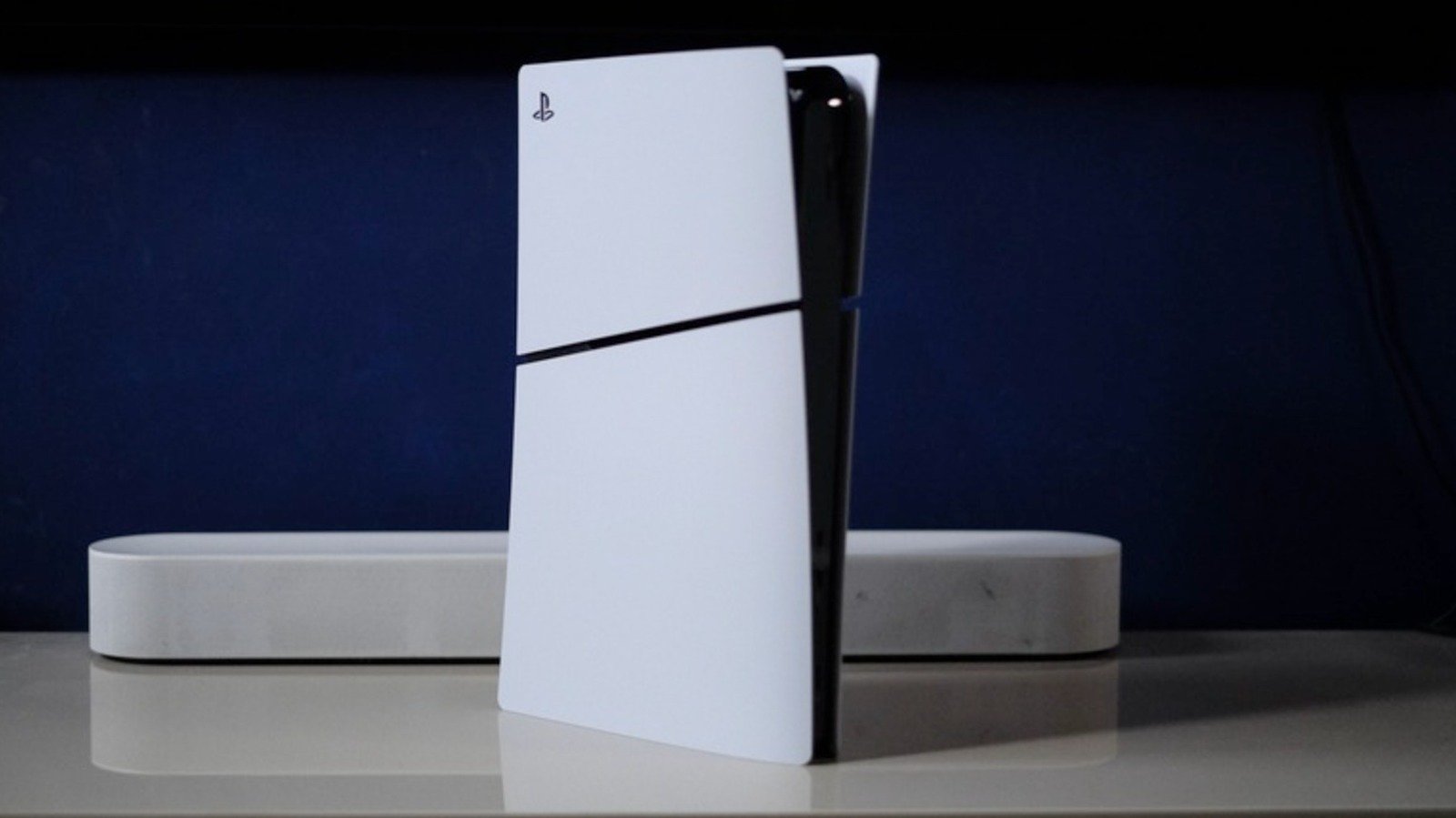
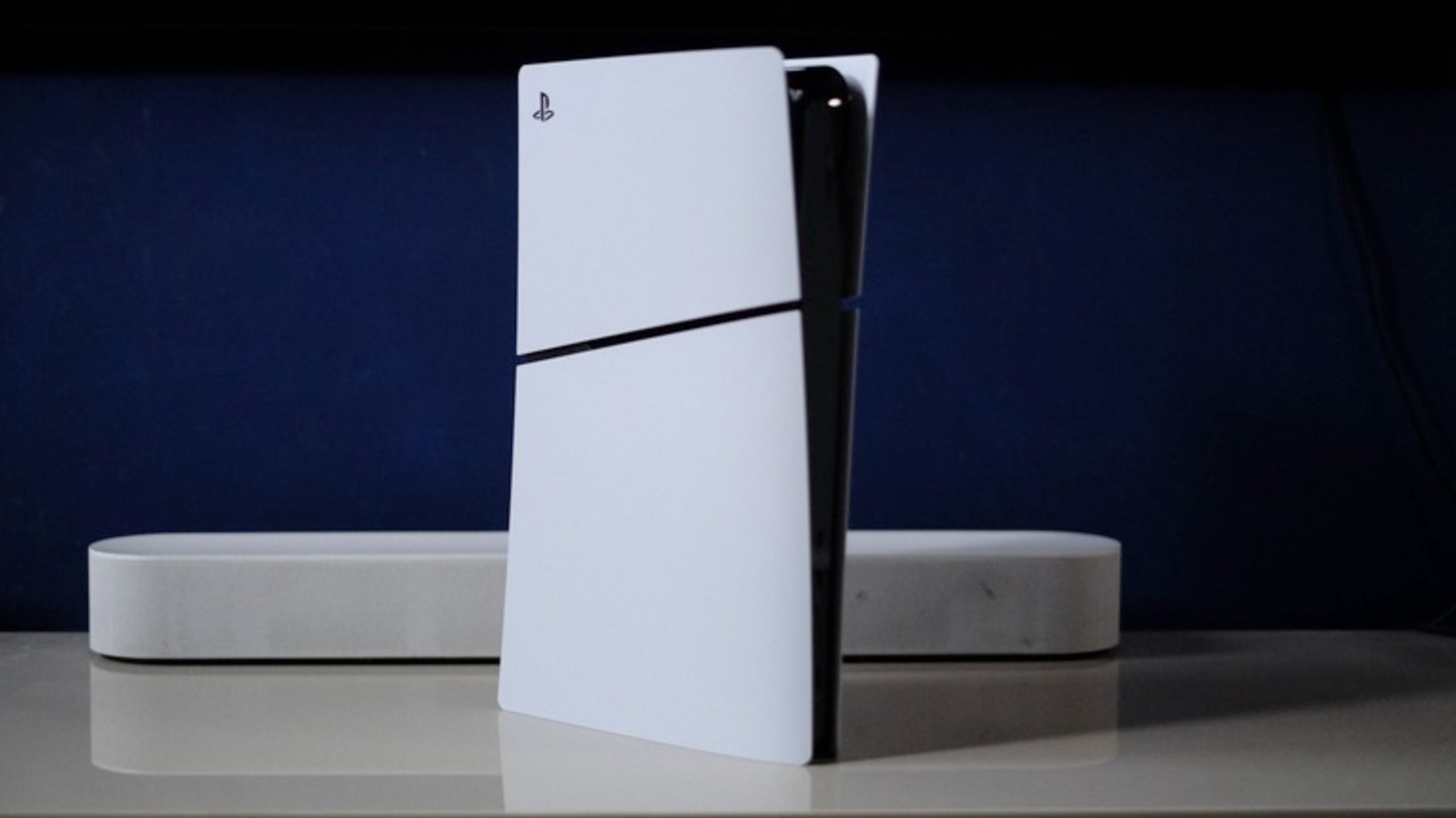
The best way to answer this question is to look at the precedent Sony has already set. The PS4 originally launched in 2013, and to this day the console still semi-regularly receives firmware updates, with the most recent patch rolling out just last month.
Granted, it amounted to little more than a few security fixes, but the fact that Sony still considers a 13-year-old console worth bothering about at all bodes well for the PS5. The PS4 also still functions just as well as it did when the PS5 replaced it in 2020, and despite unconfirmed reports last year that some of the console’s features would be sunsetted in 2026, you can turn on a PS4 today and expect it to work perfectly.
A new console generation replacing an old one almost always involves considerable software overlap for at least the first few years of the newer console’s life. In Sony’s case, this has been true since the very first PlayStation, with a number of PS1 titles still launching well into the PS2’s life, and it’s been the same story with every subsequent console the company has released.
Even today, the PS4 is still getting plenty of new games, even if the AAA side of things moved on a while ago. Incredibly popular games like Fortnite and Roblox still thrive on the last-gen Sony console, and it’s not unusual to see newly released indie games popping up on PS4 either at launch or a little while after.
Nothing lasts forever, though, and at some point those last remaining clingers-on will get a big old nudge towards newer hardware. Call of Duty: Warzone is being shut down on PS4 and Xbox One later this year, and it does feel like 2026 is something of a final twilight year for last-gen machines. And while it has published a few games on the PS4, the last notable first-party release on the console from Sony was probably 2022’s God of War: Ragnarok, which was the final big cross-generation game.
So what does this all mean for the PS5 and eventual PS6? It’s hard to predict Sony right now, as its first-party releases have dramatically decreased this generation. The longer development times and significantly higher cost of developing AAA games mean we haven’t had a single brand new game from Naughty Dog since the PS5 launched, and at this rate it wouldn’t be a huge shock if Intergalactic: The Heretic Prophet skipped the current generation altogether.
In all likelihood, the popularity of the PS5 means Sony will continue to support it in the same way it has done with all of its previous consoles, especially if the PS6 is as obscenely priced as some fear it could be. Just don’t expect any cross-generation releases to come on a disk, as Sony is ending support for physical games in 2027.