dailynewsnblog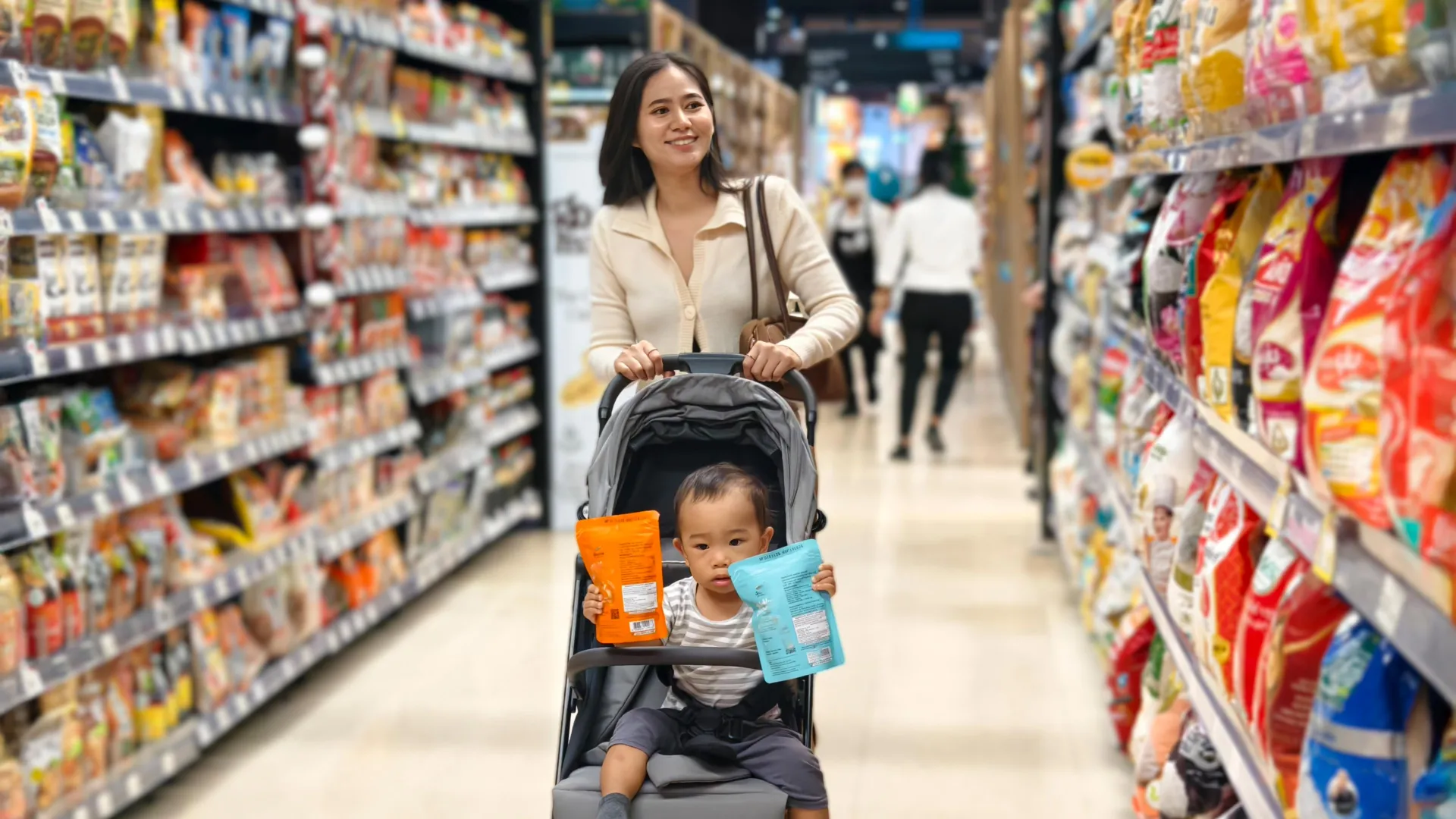
A review of toddler foods available at 21 Texas grocery stores found that ultra-processed products dominate the shelves. Four out of every five items fell into that category, and 49% did not satisfy at least one nutrient benchmark in the World Health Organization (WHO) Nutrition and Promotion Profile Model (NPPM) for commercial foods intended for children aged 6-36 months.
The results arrive as the U.S. Food and Drug Administration considers updated rules covering front-of-package nutrition information, healthy product claims and food marketing aimed at children. Unlike some countries, the United States does not require warning labels on foods containing high levels of sugar, sodium or calories.
“Many parents may assume that products sold on the baby/toddler food aisles of their grocery stores have to meet certain nutrient standards. Our findings highlight that half of the toddler foods available in local grocery stores do not,” said Erin A. Hudson, JD, ASN Science Policy Fellow and PhD candidate at The University of Texas at Austin. “As a result, parents have to be vigilant in checking labels and ingredients to determine the nutrient content and processing level of products for their toddlers.”
Hudson shared the research at NUTRITION 2026, the American Society for Nutrition’s flagship annual conference, held July 25-28 in National Harbor, Maryland, just outside Washington, D.C. She conducted the study with Marissa Burgermaster, PhD, assistant professor at The University of Texas at Austin.
Early Food Choices Can Shape Long-Term Habits
What children eat during their toddler years can influence the flavors they prefer and the dietary patterns they follow later in childhood, with potential consequences for long-term health. Excessive sugar consumption is especially concerning because its harmful effects on young children are already well established.
The analysis found that ultra-processed toddler foods were significantly more likely to contain high amounts of sugar than products that had undergone less processing.
To conduct the study, researchers photographed baby/toddler food sections at 21 grocery stores in Austin, Texas. They then assessed the nutritional information for products marketed to children aged 6 to 36 months. The researchers did not include infant formula, beverages, or purees commonly offered as first foods.
Most Products Were Ultra-Processed
The team evaluated 2,783 products in total. Using the Nova classification system, researchers categorized 81% of them as ultra-processed.
The nutritional analysis also identified several areas of concern. Seventeen percent of the products did not meet WHO-recommended nutrient content levels for sugar, 25% exceeded the recommended sodium level, 11% fell short of the standard for fat content, and 12% did not meet the recommendation for energy density.
Products exceeding the guidelines included fruit pouches (high in sugar), oat bars (high in sugar and calories), mac and cheese (high in sodium and fat), turkey sticks (high in sodium and fat), cheese puffs (high in calories), and peanut butter puffs (high in sodium, fat and calories).
Not All Fat and Calories Are Equal
Earlier research has associated ultra-processed foods with negative health outcomes even when their basic nutrient profiles are taken into account. However, scientists still do not know which specific features of these foods may be responsible for those associations.
The researchers also emphasized that higher fat or calorie levels do not always indicate lower nutritional quality. Some less-processed foods contain more fat and calories because they include nutrient-dense whole-food ingredients such as peanuts or beef.
Ultra-processed toddler products, however, were more likely to contain large amounts of sugar without offering comparable nutritional benefits. According to the researchers, this difference adds support to recommendations that parents limit how many ultra-processed foods toddlers consume.
“During these critical early years of development, most parents are trying to feed their children healthfully but may be challenged to do so by the toddler food products available in their grocery stores,” said Hudson. “Warning labels on products exceeding nutrient thresholds could help parents navigate the toddler food environment and might encourage manufacturers to reformulate these products.”
Researchers Call for Clearer Food Labels
The study examined only packaged foods displayed on grocery store shelves. As a result, it may not represent the complete range of foods that parents ultimately serve their toddlers at home.
Hudson presented the findings on Sunday, July 26, during the Ultra-Processed Foods: Methodological Advancements Oral Session at the Gaylord National Resort & Convention Center (abstract).
Abstracts presented at NUTRITION 2026 were reviewed and chosen by a committee of experts. However, they generally have not completed the same peer review process required for research published in a scientific journal. The findings should therefore be viewed as preliminary until they appear in a peer-reviewed publication.