dailynewsnblog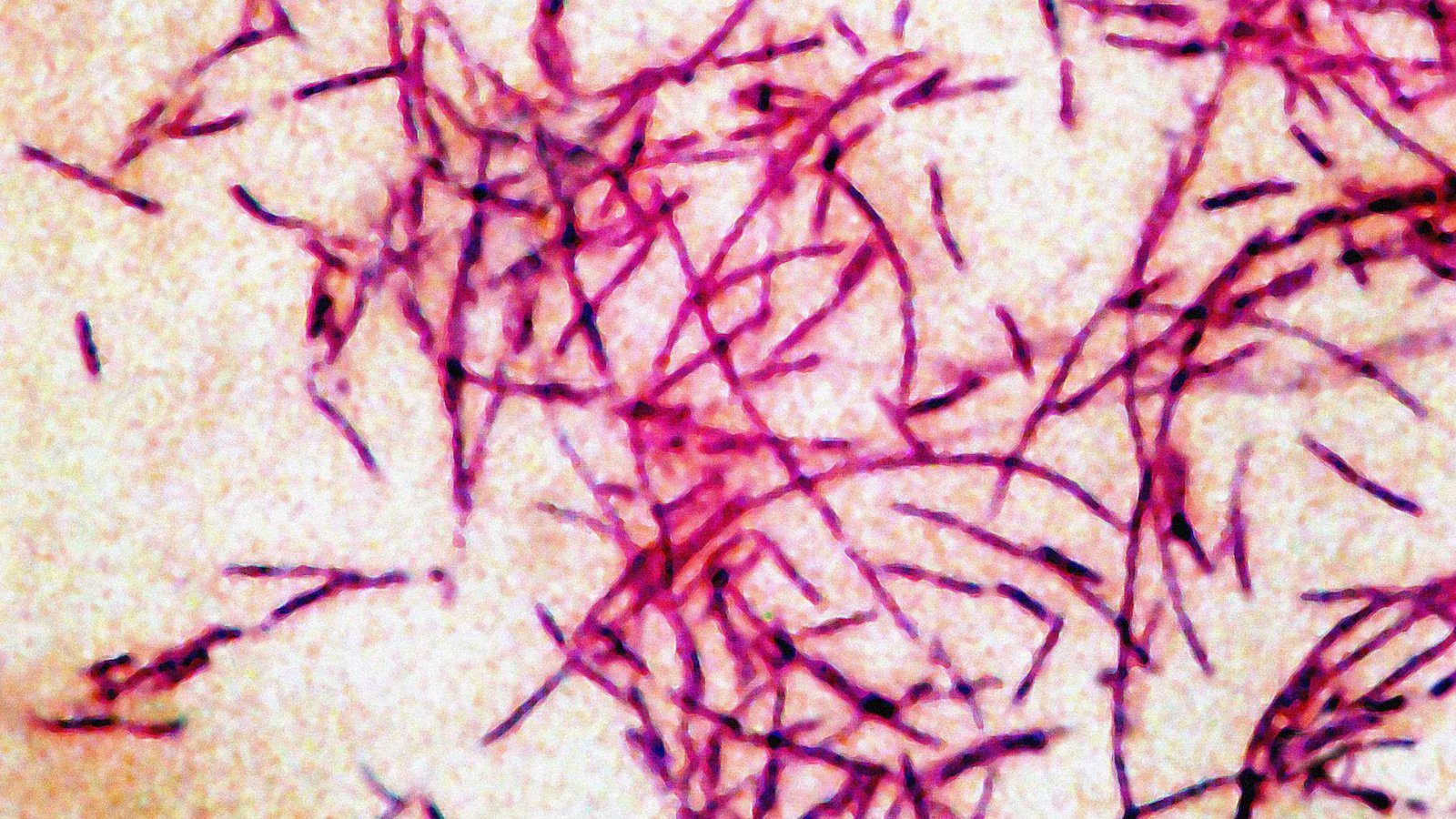
A sixth person has died in New York City in connection with a cluster of Legionnaires’ disease on the city’s Upper East Side, health officials said Tuesday.
At least 90 cases have been identified in the outbreak, according to the New York City Health Department, although no new cases have been diagnosed since July 17.
Six people are currently hospitalized, while 65 have been discharged since the cluster began, according to the department.

Legionnaire’s Disease bacterium is seen in this stock photo.
Bsip/uig/Getty Images/Universal Images Gr
Dozens of cooling towers that tested positive for the presence of the live Legionella bacteria have been cleaned and disinfected, the city said.
“We are confident the source of the Legionella bacteria has been eliminated,” the New York City Health Department said Tuesday.
Legionnaires’ disease is a severe form of pneumonia caused by inhaling the Legionella bacteria in small droplets of water mixed in the air or contaminated water accidentally going into the lungs.
The bacteria are found naturally in freshwater, but amounts generally don’t lead to disease. The bacteria typically grow best in warm water and in warm to hot temperatures, according to the Centers for Disease Control and Prevention (CDC).
The disease does not generally spread from person to person, but infections can occur if the bacteria get into a building’s water supply, including in shower heads, sink faucets, hot water tanks, heaters, cooling towers and other plumbing systems.
Legionnaires’ disease has increased in prevalence over the last decade, reaching a peak of 3.04 cases per 100,000 population in 2018, the CDC said. Cases dropped during the first year of the COVID-19 pandemic and then rebounded in 2021.
Although most people recover from Legionnaires’ disease with antibiotics, certain patients — including those who are immunocompromised or who suffer from chronic lung diseases — can develop complications that can be fatal.
ABC News’ Mary Kekatos and Youri Benadjaoud contributed to this report.