dailynewsnblog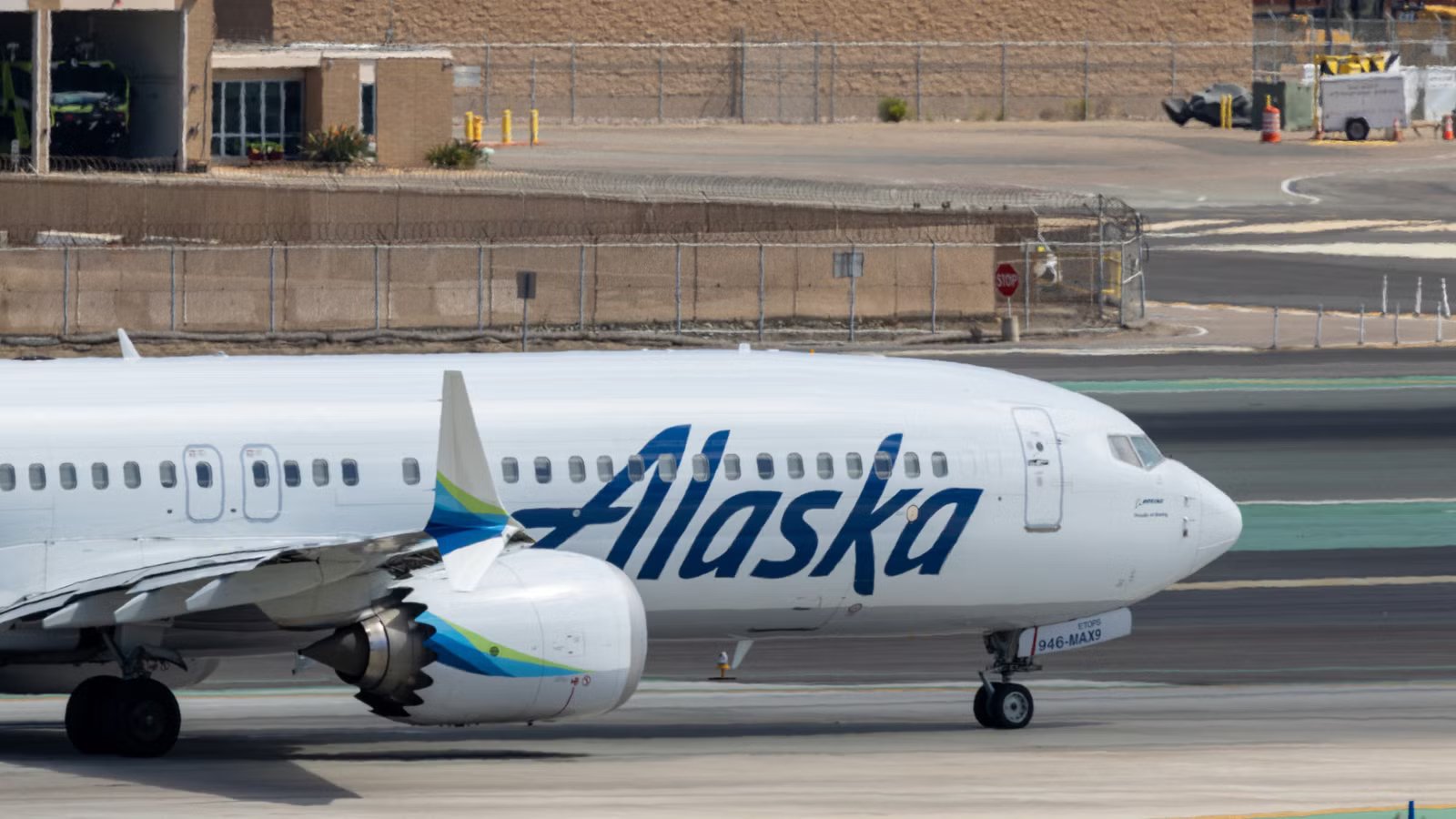
The Federal Aviation Administration (FAA) has proposed a new airworthiness directive (AD) that would require inspections of seat track assemblies on 453 Boeing 737 MAX aircraft registered in the United States. The announcement comes after identifying a potential manufacturing issue that could affect passenger seat installation. If adopted, the directive would require operators to inspect specific seat track holes for oversized dimensions and perform corrective actions before affected aircraft can continue operating.
The proposal does not immediately ground any aircraft, nor does it indicate that the affected jets are unsafe to fly. Instead, the FAA’s action reflects the agency’s standard process of addressing manufacturing concerns through mandatory inspections designed to identify and correct issues before they develop into larger safety risks. The proposed directive is currently open for public comment before a final rule is issued.
Manufacturing Issue Prompts Proposed Inspection Requirement

According to the FAA’s directive, the concern involves seat track holes that may have been manufactured outside approved dimensional limits on certain Boeing 737 MAX 8, Boeing 737 MAX 8200, and Boeing 737 MAX 9 airplanes. Oversized holes could reduce the structural capability of the seat track attachment, potentially affecting how passenger seats perform during emergency loading conditions.
To address the issue, operators would be required to inspect the affected seat tracks using Boeing-issued service instructions. If oversized holes or other discrepancies are identified, airlines would need to complete FAA-approved corrective actions before returning the aircraft to normal service. The proposed directive only applies to 453 US-registered aircraft, although fleets outside the United States could also face similar requirements if adopted by their respective aviation regulators. The FAA emphasized that airworthiness directives are preventive safety measures. They are issued whenever the agency determines that an unsafe condition exists or could develop on products sharing the same design, even if no in-service failures have occurred.
Airlines Would Have To Schedule Targeted Maintenance Checks

If the directive becomes final, airlines would primarily face additional maintenance work rather than significant operational restrictions. The inspections are expected to be incorporated into scheduled maintenance whenever practical, minimizing disruption to flight schedules. Aircraft manufacturers routinely identify production or quality issues after delivery, prompting regulators to mandate inspections or repairs across affected fleets. Most directives are resolved through targeted maintenance actions rather than aircraft groundings, allowing airlines to continue operating while ensuring compliance with updated safety requirements. This AD follows this familiar pattern for commercial aviation oversight.
The FAA has increased its oversight of  Boeing production in recent years following several high-profile quality concerns involving the 737 MAX program. Although this latest proposal is unrelated to previous flight control or fuselage issues, it demonstrates the agency’s continued focus on manufacturing conformity and structural integrity.
Another Example Of Continued Regulatory Oversight

The proposed seat track directive highlights how aircraft certification continues well after an airplane enters commercial service. Regulators, manufacturers, and airlines routinely analyze inspection findings, production data, and service experience to identify potential issues that warrant additional attention. For Boeing, the proposal comes as the company continues working under heightened FAA oversight while increasing 737 MAX production and advancing certification efforts for the MAX 7 and MAX 10 variants. Earlier this month, the FAA restored Boeing’s authority to issue airworthiness certificates for all 737 MAX and Boeing 787 aircraft following months of enhanced regulatory review, while stressing that inspections and production audits will continue.
Should the proposed directive be finalized, affected operators will be required to complete the mandated inspections within the FAA’s specified compliance period. Until then, the agency will review public comments before deciding whether any revisions are needed prior to issuing a final airworthiness directive. If adopted, the inspections would become another example of the FAA’s proactive approach to identifying and addressing potential manufacturing issues before they affect operational safety, reinforcing the layered oversight that continues throughout an aircraft’s service life.