dailynewsnblog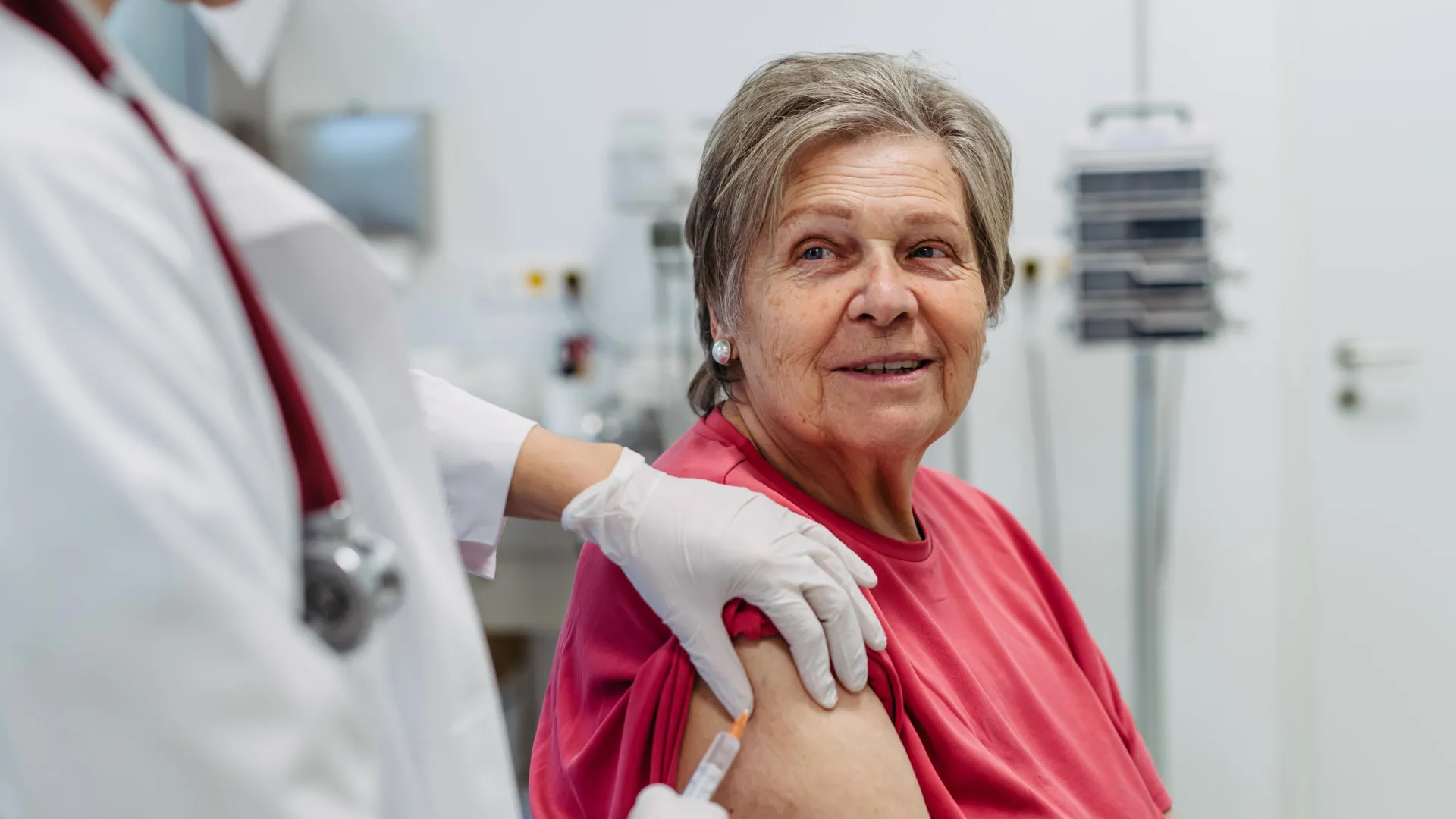
A naturally occurring compound called spermidine may help strengthen vaccine responses in some older adults by reducing biological signs of immune system aging, according to research published in Aging Cell.
The immune system becomes less efficient as people grow older, making it harder for the body to fight infections and respond fully to vaccines. This gradual decline, known as immunosenescence, can increase vulnerability to age-related health problems and leave some older adults with weaker protection after vaccination.
Spermidine May Support Aging Immunity
The research was led by Dr. Katja Simon, Group Leader of the Cell Biology of Immunity lab at the Max Delbrück Center, and Dr. Ghada Alsaleh, Associate Professor at the Nuffield Department of Orthopaedics, Rheumatology & Musculoskeletal Sciences of University of Oxford (NDORMS).
Their findings suggest that taking a daily spermidine supplement improved several measures of immune response following COVID-19 vaccination.
Spermidine is produced naturally by human cells and is also present in foods including wheat germ, mushrooms, parmesan, and cheddar. Earlier research has indicated that the molecule may support cellular maintenance mechanisms that become less active with age.
“Many older adults respond well to vaccines,” Alsaleh explains. “But some do not develop strong protection, even after repeated vaccination. Biological aging of immune cells may be one reason why this happens. Our findings suggest that spermidine could help restore aspects of immune function in this group.”
The project also involved researchers from the Oxford Vaccine Group, including Drs. Paul Klenerman, Teresa Lambe, and Lucy Jones, along with Owen B. Spiller from Cardiff University.
Why Vaccines Can Become Less Effective With Age
The COVID-19 pandemic reinforced the importance of vaccination in preventing severe disease and death. However, older adults often develop fewer protective antibodies and T cells after receiving a vaccine. Similar patterns have also been observed with influenza vaccination.
To investigate whether spermidine could improve this response, Simon and her colleagues enrolled 40 healthy adults aged 65 and older. After receiving their third COVID-19 vaccination, participants took either six milligrams of spermidine or a placebo each day for 13 weeks.
About one quarter of the participants produced very weak antibody responses even after three vaccine doses. Their immune cells also showed distinct signs of biological aging, including greater DNA damage and molecular markers linked to cellular senescence. During cellular senescence, damaged or aging cells stop working normally but remain in the body and accumulate over time.
Stronger Antibody Responses in Some Participants
Among the vaccine nonresponders who received spermidine, several indicators of vaccine-related immunity improved substantially. These participants generally developed higher levels of antibodies against SARS-CoV-2 and showed stronger neutralizing activity against several viral variants.
The researchers also found that spermidine lowered markers associated with immunosenescence and increased autophagy. Autophagy is a natural recycling process that allows cells to remove damaged material and maintain normal function.
The supplement appeared to be safe and well tolerated. Researchers found no adverse effects associated with the treatment.
Larger Trials Are Still Needed
Because the study included only 40 participants, the researchers caution that the results should be viewed as early evidence rather than definitive proof that spermidine can improve vaccination outcomes.
“This study was designed as a pilot trial and involved a relatively small number of participants,” says Simon. “Larger studies will be needed to determine whether spermidine can consistently improve vaccine responses and whether similar effects are seen with other vaccines, such as those used against seasonal influenza.”