dailynewsnblog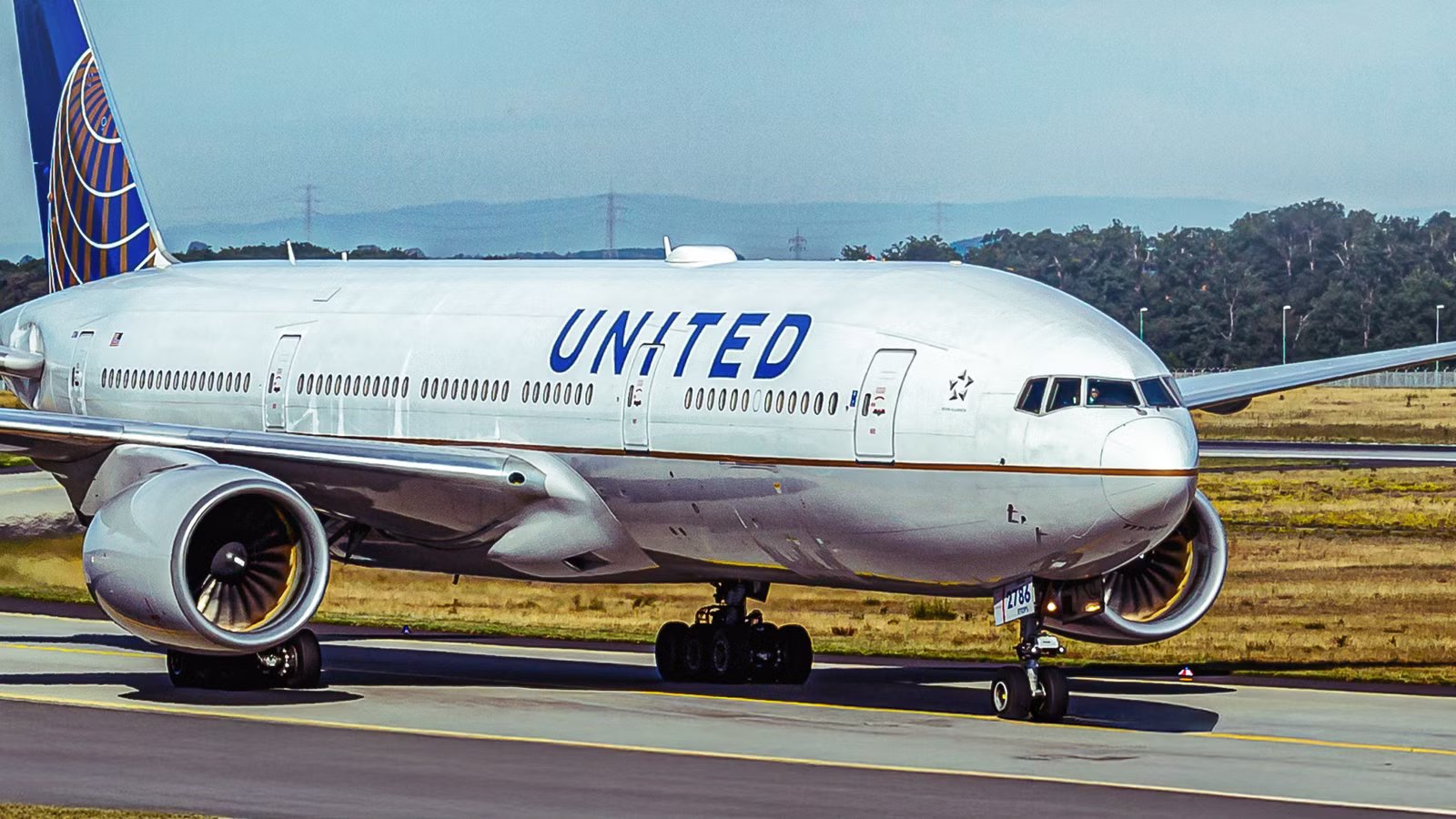
Europe’s newest carbon rules do not ban older airliners, nor do they impose a direct tax on jet fuel. Yet 2026 is the year those policies began influencing which widebody aircraft airlines can afford to keep flying across the Atlantic. For carriers such as  United Airlines, that shift reinforces the business case for retiring its nearly 29-year-old Boeing 777-200 aircraft in favor of newer, more efficient replacements.
United has been planning to phase out its oldest Boeing 777-200s for years, replacing them with Boeing 787 Dreamliners and, eventually, Airbus A350-900s. The airline’s fleet strategy was not created in response to a single regulation. Instead, it reflects changing economics that increasingly favor aircraft with lower fuel burn and reduced emissions. The start of the European Union’s Carbon Border Adjustment Mechanism (CBAM) definitive phase, the full phaseout of free aviation allowances under the EU Emissions Trading System (EU ETS), growing Sustainable Aviation Fuel (SAF) requirements, and the prospect of additional emissions rules have combined to make 2026 the year carbon policy became an active consideration in fleet planning. That raises an important question: if CBAM does not directly apply to jet fuel, why are airlines paying so much attention?
CBAM Does Not Cover Jet Fuel, So Why Does Aviation Care?

The Carbon Border Adjustment Mechanism is often described as Europe’s carbon tariff, but its immediate impact on aviation is easy to misunderstand. Since entering its definitive phase on January 1, 2026, CBAM has applied to imports of carbon-intensive products including iron, steel, aluminum, cement, fertilizers, electricity, and hydrogen. Aviation fuel is not among the covered sectors, meaning airlines are not paying a direct CBAM charge every time they refuel for a flight to Europe.
However, that does not mean airlines escape its effects. Modern aviation depends on industries that are now subject to embedded carbon pricing. Aluminum and steel remain fundamental to aircraft manufacturing, engine components, airport construction, maintenance hangars, and ground infrastructure. As producers incorporate the cost of carbon into those materials, airlines ultimately face higher prices throughout the aviation supply chain. CBAM’s indirect impact could gradually raise costs associated with everything from new aircraft deliveries to infrastructure investments, even though fuel itself remains outside the mechanism’s scope.
The policy also sends a broader signal about the direction of European regulation. Organizations, including the Florence School of Regulation and aviation consultancy Ishka, have highlighted ongoing discussions about preventing carbon leakage in aviation and ensuring non-European carriers compete under comparable environmental rules. Whether or not CBAM itself expands into aviation, airlines increasingly view carbon pricing as a structural cost rather than a temporary policy experiment. If CBAM is primarily an indirect pressure today, the regulation changing airline economics immediately is something else entirely.
The Bigger Financial Shift Is Happening Through The EU ETS

While CBAM has attracted considerable attention, the EU ETS is already affecting how airlines evaluate long-haul fleets. It requires aircraft operators on covered routes to account for the carbon emissions they produce by surrendering emissions allowances, effectively attaching a financial value to each unit of carbon emitted. The most significant change arrived in 2026, when the system completed the phaseout of free emissions allowances previously granted to aircraft operators. Airlines are now increasingly exposed to the full carbon cost of eligible operations. At the same time, the European Commission is assessing whether emissions trading should eventually apply to additional departing flights, a review that could further expand the system’s reach.
For fleet planners, these developments are more than regulatory milestones. Every improvement in fuel efficiency now has two economic benefits. Burning less fuel reduces fuel expenditure and lowers carbon-related compliance costs where emissions trading applies. That makes aircraft such as the Boeing 787 Dreamliner and Airbus A350 increasingly attractive, not simply because they consume less fuel, but because they are better positioned for a regulatory environment that is steadily placing a higher price on emissions.
For airlines operating relatively young fleets, adapting to these changes is comparatively straightforward. The challenge is greater for carriers still flying aircraft designed nearly three decades ago. That is exactly the position United Airlines has been working to avoid, and it explains why the 777-200 has become one of the most closely watched retirements in the industry’s fleet renewal cycle.
United’s Boeing 777-200 Fleet Is Becoming Increasingly Expensive To Justify

United Airlines is not retiring its Boeing 777-200 fleet because of a single regulation or a sudden change in market conditions. The airline has spent several years reshaping its long-haul operation around newer aircraft, ordering Dreamliners while preparing for the arrival of A350s later in the decade. However, the regulatory environment emerging in Europe increasingly validates that strategy by making older, less efficient aircraft more expensive to operate over their remaining service lives.
The Boeing 777-200 was one of the most capable long-haul aircraft of its generation. Introduced during the 1990s, it gave airlines the ability to fly farther with more passengers while consuming less fuel than many aircraft it replaced. Nearly three decades later, however, aircraft technology has advanced considerably. Modern composite airframes, higher bypass turbofan engines, lighter materials, and increasingly sophisticated flight management systems have enabled aircraft such as the 787 and A350 to deliver meaningful improvements in fuel burn and carbon emissions on comparable missions.
United’s remaining 777-200 fleet now averages 28.9 years of age, placing many of the aircraft among the oldest widebodies still operating within a major US airline fleet. Recent reports have documented aircraft being ferried to Victorville, California, where they are entering long-term storage as United gradually withdraws the type from scheduled service. The airline’s current fleet plan calls for the 777-200s to be replaced entirely by 787 variants and A350-900s by around 2030. Yet fuel efficiency is only one part of the equation. If airlines are already investing billions in newer aircraft, another question naturally follows: why has 2026 become such an important year for making those investments pay off?
Sustainable Aviation Fuel Adds Another Layer Of Economic Pressure

Carbon pricing is not the only environmental policy influencing airline fleet decisions. Across Europe, SAF is becoming an increasingly important part of the industry’s decarbonization strategy, and while SAF offers significant lifecycle emissions reductions, it also comes at a substantially higher cost than conventional jet fuel. To support the transition, the European Union has introduced financial mechanisms intended to narrow the price gap between SAF and fossil-based aviation fuel. Even with that assistance, airlines purchasing fuel in Europe face increasing exposure to higher operating costs as blending requirements continue to rise.
For fleet planners, this changes the value of fuel efficiency. Every percentage improvement in fuel burn now reduces not only traditional fuel expenses but also the cost associated with purchasing more expensive sustainable fuel. This is where the economics begin to compound. An older aircraft burns more fuel, produces more emissions, and requires larger volumes of SAF on routes where blending mandates apply. A newer aircraft benefits from the opposite effect, consuming less fuel while simultaneously lowering exposure to carbon-related costs across multiple regulatory frameworks.
No individual policy forces an airline to retire a particular aircraft, but together they steadily widen the economic gap between older and newer fleets. That helps explain why airlines around the world are accelerating widebody renewal even when many older aircraft remain technically capable of flying for years to come. The question is no longer whether the 777-200 can continue operating safely or reliably. Instead, it is whether airlines can justify its economics in a market where environmental regulation is becoming an increasingly permanent feature of international aviation.
The Next Generation Of Widebodies Is Being Built For This Regulatory Environment

United is far from the only airline retiring older long-haul aircraft, and that is perhaps the clearest indication that environmental regulation is becoming part of a much broader economic equation. Across the industry, carriers have accelerated investments in newer aircraft because they offer meaningful reductions in fuel consumption, lower maintenance requirements, and improved operating economics. Europe’s 2026 climate policies did not create that trend, but they reinforce it by increasing the financial value of efficiency on routes touching the European market.
That trend is unlikely to remain confined to European airlines. North American, Middle Eastern, and Asian carriers all operate services in Europe and therefore must consider the continent’s evolving regulatory framework when making long-term fleet decisions. Even airlines based outside the European Union are increasingly evaluating new aircraft purchases through the lens of future carbon costs rather than fuel prices alone. Industry observers note that discussions surrounding carbon leakage and the competitive treatment of non-EU airlines suggest that aviation regulation will continue to evolve rather than stabilize.
The uncertainty surrounding future policy may prove just as influential as today’s rules. The European Commission is expected to continue evaluating whether emissions trading should cover additional departing flights, while policymakers also monitor the effectiveness of CBAM and other decarbonization measures. Airlines ordering aircraft today know those jets will remain in service well into the 2040s, meaning they must anticipate not only current regulations but also the direction of future environmental policy. The result is that fleet renewal is no longer driven solely by maintenance costs or passenger demand. Increasingly, it is about ensuring aircraft remain economically competitive under regulatory conditions that may continue tightening throughout their operational lives. That leaves one final question: if 2026 represents a turning point, what should airlines and the industry be watching next?
Will Carbon Policy Change Aircraft Investment Decisions?

The retirement of United’s Boeing 777-200 fleet should not be viewed as evidence that a single European regulation can determine the fate of an aircraft type. The airline’s replacement strategy was established well before CBAM entered its definitive phase, reflecting the natural progression toward newer aircraft with lower fuel consumption and improved operating economics. What has changed is the environment in which those decisions are made. Europe’s climate policies have added another financial consideration that increasingly favors aircraft capable of delivering lower emissions over decades of service.
The next milestone to watch is how airlines respond as environmental regulations continue evolving. If the European Commission expands the scope of emissions trading, if SAF blending requirements increase as planned, or if carbon pricing becomes more deeply embedded across the aviation supply chain, the financial advantage enjoyed by new generation aircraft will likely continue to grow. Airlines placing orders today are effectively making decisions about the regulatory environment they expect to face well into the 2030s and 2040s.
For United, the arrival of additional 787s and eventually the A350-900 will complete a fleet transition that was already underway. For the wider aviation industry, however, the more significant story is that carbon policy has become another permanent input into fleet planning. The aircraft entering service over the next decade will not simply be judged on range, payload, or passenger comfort. They will increasingly be evaluated on how well they fit an operating environment where emissions carry an expanding financial value. Whether that ultimately reshapes airline investment on a global scale will depend less on any single regulation than on the pace at which governments continue integrating climate policy into commercial aviation.