dailynewsnblog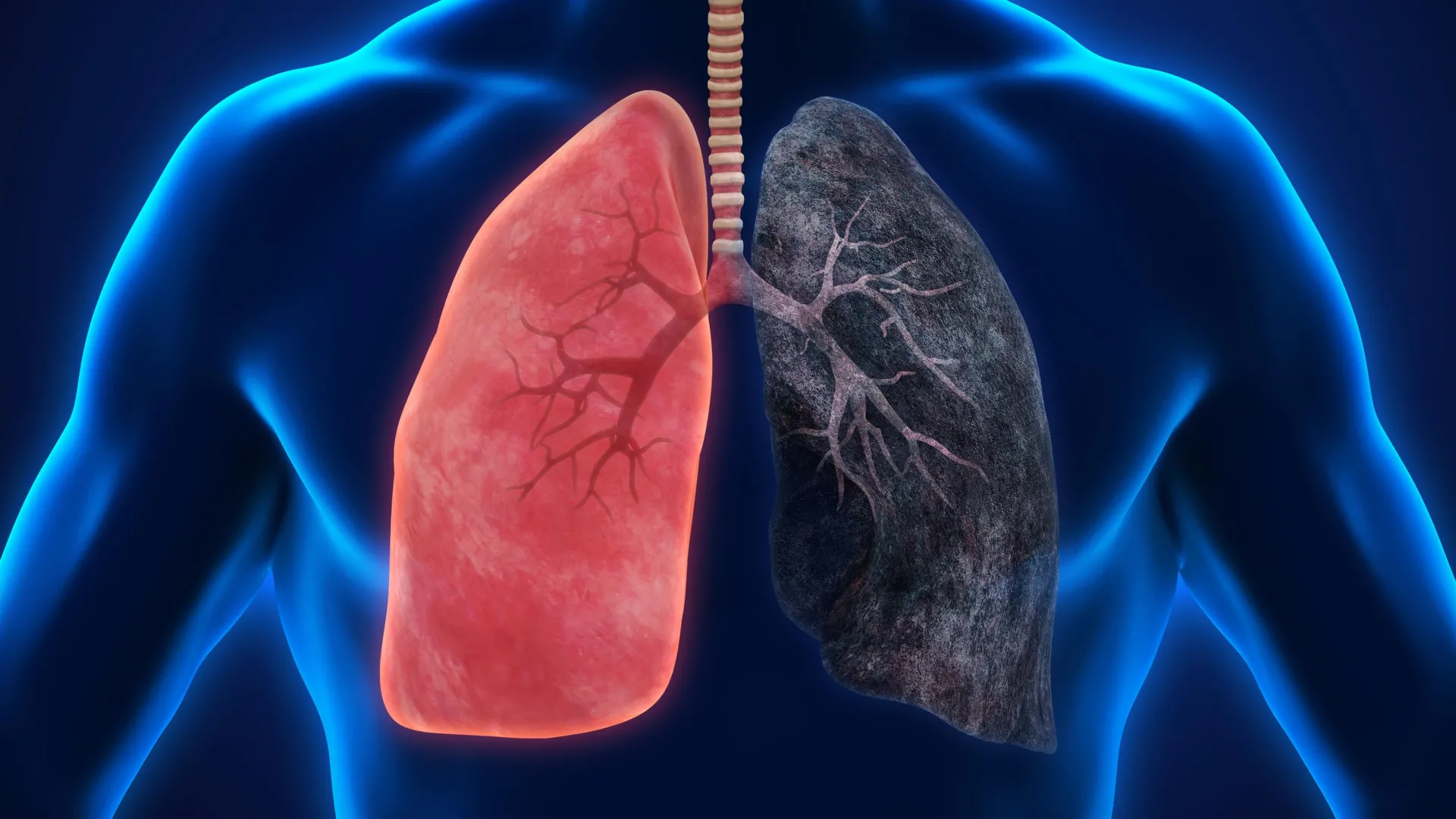
As marijuana becomes legal in more states, many people assume it is relatively safe. But when it comes to cancer, the picture is far less clear. While tobacco smoking has long been established as a major cause of lung cancer, scientists are still working to understand exactly how marijuana affects cancer risk, according to Brooks Udelsman, MD, a thoracic surgeon with USC Surgery at Keck Medicine of USC.
Researchers continue to investigate whether smoking marijuana increases the likelihood of developing cancer. A recent Keck Medicine study led by Niels Kokot, MD, an otolaryngologist at the USC Caruso Department of Otolaryngology — Head and Neck Surgery, found that people who smoked large amounts of marijuana appeared to face a higher risk of both small cell lung cancer and non-small cell lung cancer.
In another study, Dr. Kokot and colleagues reported that people who used marijuana daily were 3.5 to 5 times more likely to develop head and neck cancers than nonusers. These cancers include those affecting the mouth, pharynx, larynx, oropharynx (tongue and tonsils and back wall of the throat), and nearby salivary glands.
How much marijuana is too much?
Although the evidence linking heavy marijuana smoking to cancer continues to grow, researchers still do not know exactly how much use is required before the risk begins to rise.
“What we don’t know right now is the dose relationship,” Dr. Udelsman says. “So, if someone smokes marijuana occasionally once a week, once a month or a few times a year, do they still have that same risk? My suspicion is that there is probably minimal risk. All we know right now is that people who smoke a lot of marijuana — to the point that they develop a dependency on it or require hospital care or evaluation for it — do appear to have a higher cancer risk.”
Scientists are also investigating whether heavy marijuana use may be linked to other cancers, including bladder cancer and gastrointestinal cancers.
“With tobacco, we do see an increased prevalence of bladder cancer. Whether that relationship is also the same for heavy marijuana smoking, we don’t know,” he says. “That’s why we’re trying to determine what the risks are so that people can know what risks they’re taking,” he says.
Are edibles linked to lung cancer?
Smoking is not the only way people consume marijuana, but current evidence suggests that non-smoking methods such as edibles are unlikely to increase lung cancer risk.
“Probably not,” says Dr. Udelsman. “The risk is harder to track because there isn’t a lot of data on it yet, but as of now there does not seem to be a relationship between edibles and lung cancer. We don’t yet know if there is a link to other types of cancers, however.”
Why marijuana smoke may increase cancer risk
According to Dr. Udelsman, anything that causes long lasting inflammation can raise the risk of cancer over time. Tobacco smoke contains more than 7000 chemicals, about 70 of which are known to be associated with cancer. Some of those same chemicals are also found in marijuana smoke.
He also notes that THC (tetrahydrocannabinol), marijuana’s primary psychoactive ingredient, is associated with the conversion of polycyclic aromatic hydrocarbons (PAHs). These compounds can trigger inflammation and damage DNA.
“Anytime inflammation and changes to DNA occur, you’re at risk for developing cancer,” he says.
What about secondhand marijuana smoke?
There is not enough evidence to confirm that secondhand marijuana smoke increases lung cancer risk. However, Dr. Udelsman says it could potentially pose some risk because people nearby may inhale inflammatory particles that are believed to contribute to cancer development.
Which lung cancers are associated with marijuana?
Lung cancer is generally divided into two main categories: small cell lung cancer and non-small cell lung cancer.
Small cell lung cancer has a particularly strong connection to tobacco smoking, but Dr. Udelsman says it may also be associated with marijuana smoking.
“It’s almost unheard of to get small cell lung cancer without some type of inhalational injury,” he adds.
Non-small cell lung cancer also appears more frequently among people who smoke marijuana.
“We also see an increase in non-small cell lung cancer in smokers of both tobacco and marijuana, so both types are increased when compared to nonsmokers,” he adds.
Does vaping marijuana carry cancer risks?
When electronic cigarettes first became popular, many believed vaping tobacco would be safer than smoking it. However, doctors are now seeing serious inflammatory lung diseases linked to vaping, although not cancer itself.
“But we are starting to see some very severe inflammatory diseases — not cancers, but benign diseases — from vaping,” Dr. Udelsman says.
Because vaping has only been common for about 15 years, researchers have not had enough time to determine whether it increases lung cancer risk. The same uncertainty applies to vaping marijuana.
“The data on vaping is very new, so we don’t know yet, but I’d worry about anything you’re breathing into your lungs because it infiltrates the cells and air sacs in your lungs, which can cause damage and put you at a higher risk for cancer,” Dr. Udelsman says.
Occasional use versus heavy use
Despite these findings, Dr. Udelsman does not believe recreational marijuana use will trigger a widespread lung cancer epidemic.
“I worry less about occasional use and the slight inflammation that it might cause for a temporary period. Your body probably recovers from that very quickly, with very little damage,” he says. “I’m more worried about chronic, heavy exposure: people who are using marijuana every day, multiple times a day. That’s where I think you can start to build up injury. Those are the people data today shows are at risk for developing cancer, similar to tobacco.”
People who use marijuana heavily should discuss their habits with a healthcare provider. A doctor can help evaluate their personal cancer risk and determine whether additional screening or follow-up may be appropriate.