dailynewsnblog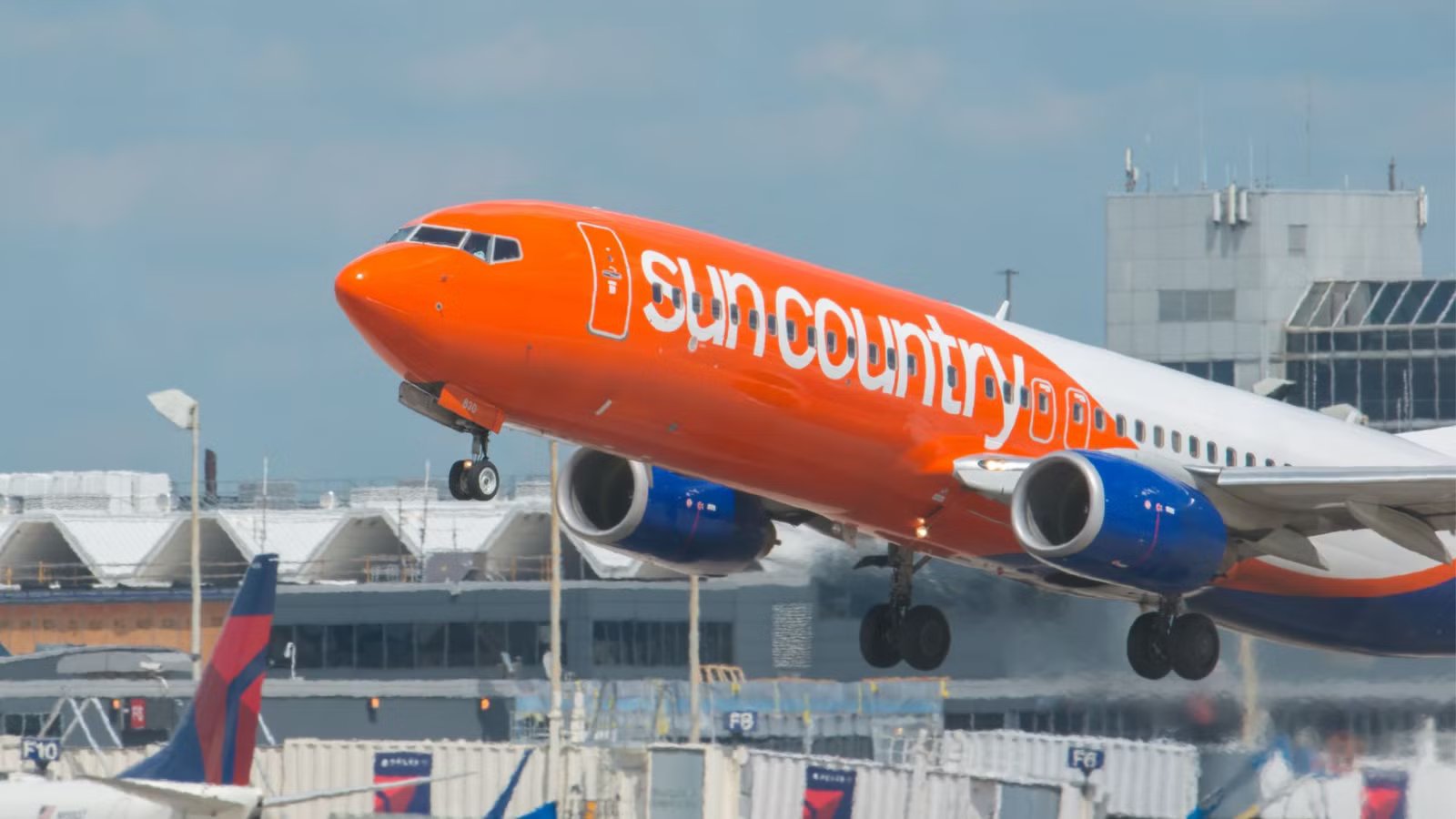
Sun Country Airlines is set to disappear as an independent airline once its merger with Allegiant Air reaches the point where both carriers operate under a single FAA operating certificate. The combination will create a larger single-brand leisure-focused airline serving approximately 22 million passengers annually across nearly 175 cities and more than 650 routes with a combined fleet of around 195 aircraft.
An Allegiant representative confirmed to Simple Flying, “the two airlines continue to operate separately as we work through the process of bringing them together.” Executives have confirmed to USA Today that the airline’s standalone identity will eventually come to an end. Sun Country entered the merger with a fleet of 70 Boeing 737 Next Generation aircraft, including 47 passenger aircraft, 20 cargo aircraft operated through its Amazon partnership, and three aircraft leased to other airlines or stored. Allegiant operates both the Airbus A320 family and the Boeing 737 MAX family.
Sun Country Will Continue Operating Until FAA Integration Is Complete

Sun Country Airlines will remain in operation during the early stages of operations, but the long-term plan is for all flying to take place under the Allegiant brand once a single FAA operating certificate is secured. The certification process is one of the most important steps in airline mergers because it confirms that two carriers have successfully combined their safety management systems, manuals, training standards, and operating procedures. Until approval is granted, both airlines must continue operating under separate certificates.
The merger, completed in May, has created the 8th largest carrier in the US, combining Allegiant’s point-to-point network with Sun Country’s broader mix of scheduled service, charter operations, and cargo flying. At closing, the combined company is expected to have 195 aircraft, 30 aircraft on order, and options for an additional 80 aircraft, giving it additional flexibility for future growth. Sun Country’s  Minneapolis-St. Paul International Airport (MSP) presence will remain strategically important, despite the eventual retirement of the Sun Country brand. An Allegiant representative reiterated to Simple Flying that the change will not take place immediately.
“Over time, Sun Country will eventually be branded Allegiant after the airlines complete integration. That process will be measured in years, not weeks, and we will move carefully with safety, operational reliability, customer clarity and employee communication as our priorities. We are fully committed to maintaining a significant presence in Minneapolis-St. Paul, which will continue to serve as an important base of operations.
The End Of An Airline Brand After More Than 40 Years

The planned retirement of the Sun Country brand marks the end of more than four decades of independent operations. Founded in June 1982 and commencing operations in January 1983, Sun Country evolved from a traditional scheduled carrier into a hybrid low-cost airline focused on leisure travel, seasonal demand, charter flying, and cargo operations. Its cargo business has become an important part of its strategy, with the airline operating 20 Boeing 737 freighters, including aircraft supporting Amazon’s logistics network.
The merger also highlights the different strengths each airline brings to the partnership. Allegiant has built its business around connecting smaller communities with popular leisure destinations, while Sun Country provides greater exposure to larger metropolitan markets, international leisure destinations, and contracted flying. The combined network includes 551 Allegiant routes and 105 Sun Country routes, expanding access to destinations across the US, Mexico, Central America, Canada, and the Caribbean.
Airline integrations of this scale typically take significant time because regulatory approval is only one part of the process. The companies must also combine reservation systems, loyalty programs, employee procedures, maintenance planning, and flight operations before fully operating as a single airline.
The Future Of The Combined Allegiant Airline

The acquisition represents one of the most significant moves among United States airlines in recent years. The deal, valued at approximately $1.5 billion including debt, brings together two carriers that have traditionally avoided the complex hub-and-spoke model used by larger network airlines. Instead, both companies rely heavily on flexible capacity management and seasonal demand patterns to maximize aircraft utilization.
Allegiant executives have also highlighted expected financial benefits from the combination, with the airline projecting approximately $140 million in annual synergies within three years through areas such as procurement savings, fleet optimization, and expanded network opportunities.
The final transition will depend on successful FAA approval of the single operating certificate and the completion of operational integration. While the Sun Country name is expected to disappear, its aircraft, employees, Minneapolis presence, cargo capabilities, and leisure network will likely become important components of the expanded Allegiant operation.