dailynewsnblog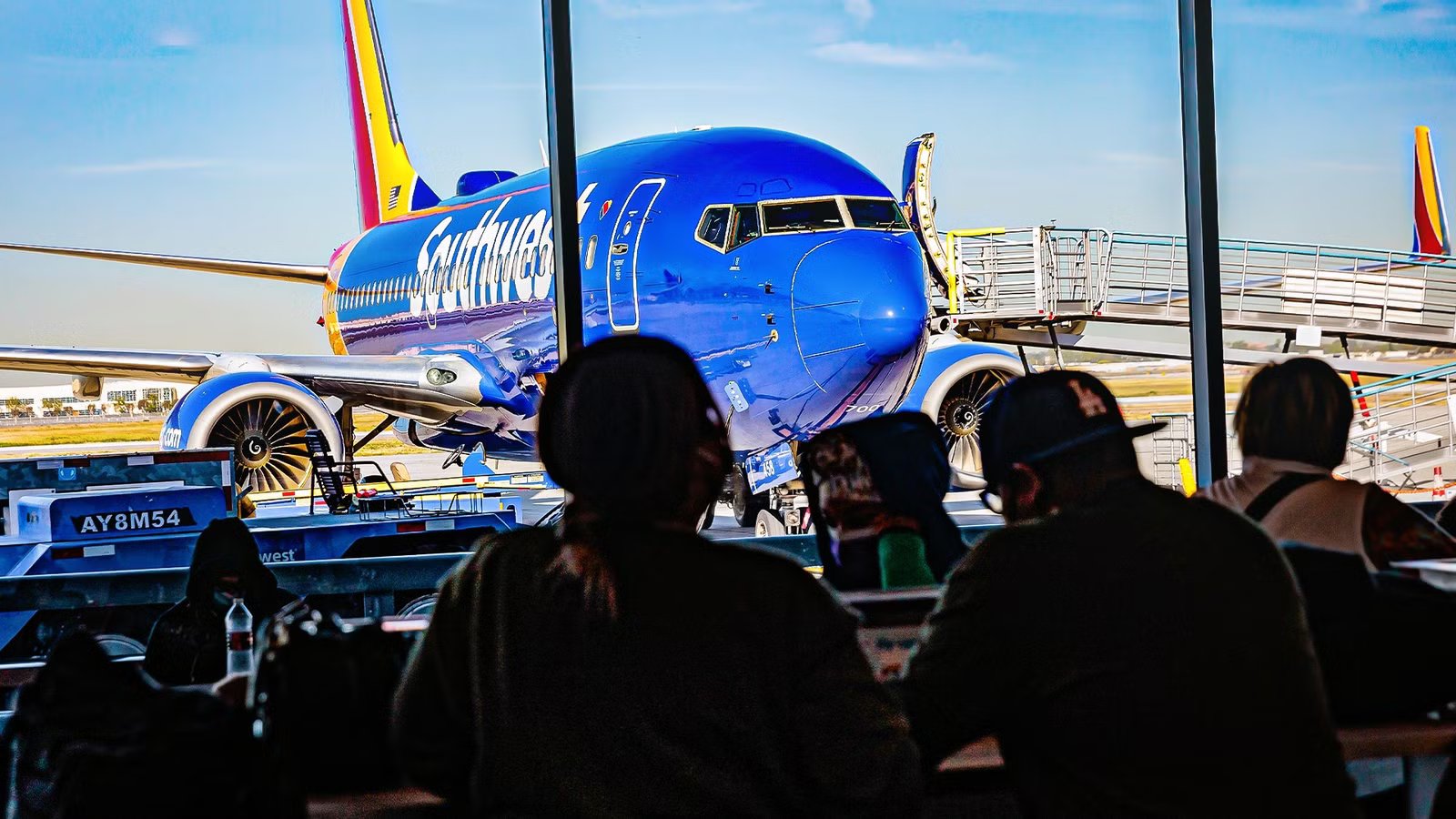
This article was updated on Monday, July 6, 2026, to include details on social media use by other low-cost carriers. It was originally published on Friday, July 3, 2026.
 Southwest Airlines is facing criticism after posting a lighthearted message on Threads, poking fun at one of air travel’s most recognizable habits: passengers who stand up as soon as the seat belt sign turns off after reaching the gate. While many users appreciated the joke, others argued the airline was unfairly criticizing behavior that is often driven by practical reasons rather than impatience. Some people online responded to the original post with specific criticism about issues with Southwest seats.
The post quickly generated hundreds of responses, with travelers debating whether standing immediately after arrival is inconsiderate or simply part of modern flying. The discussion comes as Southwest recently introduced assigned seating and other changes to the boarding process, prompting broader conversations about passenger etiquette and the realities of today’s airline experience.
Social Media Post Divides Travelers

Southwest’s Threads post joked about passengers who spring out of their seats the moment the seat belt sign is extinguished, even though the aircraft often remains parked at the gate for several more minutes before passengers can disembark. The airline’s playful tone resonated with some users but drew criticism from others who said the post overlooked why many travelers choose to stand. Several commenters defended the practice.
“Some of us have been sitting for hours and just want to stretch our legs.” Another added, “It’s not about getting off first. It’s about getting ready so the line moves faster when the door opens,” one person said.
Others supported Southwest’s message, arguing that standing immediately creates unnecessary congestion inside the cabin. One commenter replied, “nobody is getting off any sooner,” while another joked that passengers who rush to stand only end up waiting in the aisle instead of waiting in their seats. The range of responses illustrated how even a humorous social media post can spark a wider debate over passenger behavior and travel etiquette.

RECARO | Simple Flying
While standing as soon as the aircraft reaches the gate is often criticized, experts say there are several reasons passengers do it. Many travelers simply want to stretch after remaining seated for several hours, particularly on longer flights. Others begin gathering their belongings so they can leave the aircraft more efficiently once the cabin door opens. Passengers with tight onward connections may also feel pressure to prepare for a quick exit, even if standing does not significantly shorten the time to leave the aircraft. Those seated toward the rear often know they will be waiting several minutes before their row can deplane, and use that time to organize bags or put on jackets.
Although experts note that standing immediately rarely shortens the overall deplaning process, the habit has become deeply ingrained among frequent flyers. As a result, what some passengers see as discourteous behavior is viewed by others as a practical way to prepare for the next stage of their journey. Airlines and cabin crews deal with this split behavior on nearly every commercial flight.
Customer Uproar Forces Southwest To Rethink Assigned Seating Policy: Here’s What’s Changing
Southwest tweaks its policy after a rough rollout.
Passenger Etiquette Remains A Frequent Source Of Debate

The reaction to Southwest’s post highlights how everyday travel behaviors continue to divide passengers. Airlines often use social media to engage customers with relatable travel humor, but posts touching on common frustrations can quickly generate strong opinions from both supporters and critics. The timing is also notable, as Southwest continues to implement significant changes to its customer experience. While those updates are intended to streamline boarding, they are unlikely to change the debate surrounding passenger behavior after landing, when individual preferences and travel circumstances often dictate how people respond once the seat belt sign is switched off.
Whether travelers remain seated until their row is ready to exit or stand immediately after arriving at the gate, the discussion demonstrates that airline etiquette remains highly subjective. Southwest’s post may have been intended as a joke, but the thousands of reactions it generated show there is little consensus on what constitutes proper behavior once a flight has ended.
Catch what other trackers miss
Emergency squawks, holds, NOTAMs — live signals, no signup.
Open tracker
Catch what other trackers miss
Emergency squawks, holds, NOTAMs — live signals, no signup.
Open tracker

While Southwest’s recent post divided opinion, there is a saying that all publicity is good publicity, and, if nothing else, it certainly got people talking about the airline. With this in mind, alongside the ultra-competitive nature of the low-cost aviation sector, you might not be too surprised to learn that European budget giant Ryanair is also no stranger to controversy when it comes to its social media usage.
Over the years, the Irish airline has garnered a legendary reputation online for its sassy public responses to passenger complaints, particularly those concerning its ‘windowless’ seat 11A. Ryanair Group CEO Michael O’Leary has also partaken in many social media flame wars on his own account. The airline did pledge a more professional rebrand this year, but that turned out to be an April Fool’s joke.