dailynewsnblog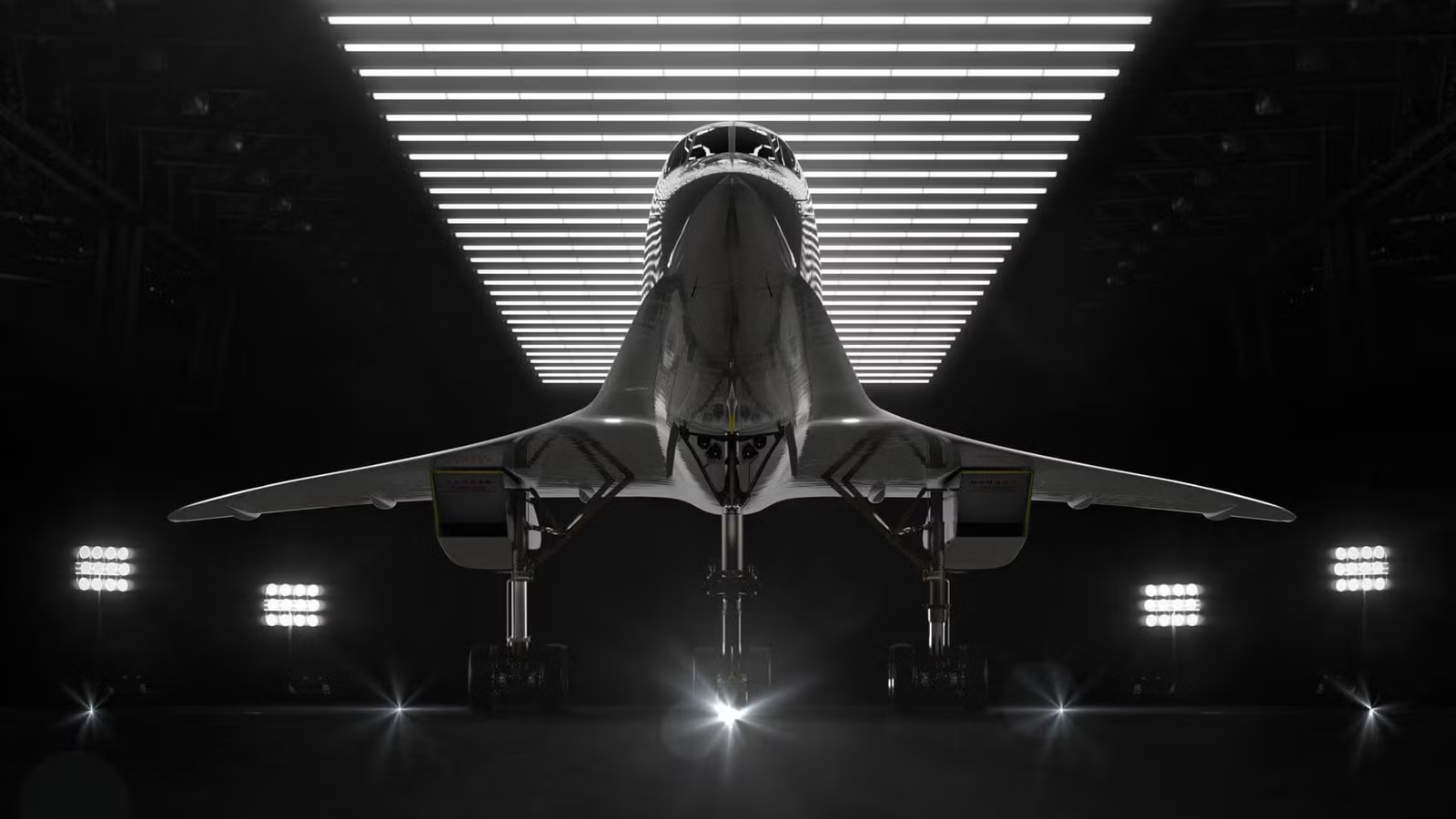
Boom Supersonic has accomplished more than any private supersonic aircraft program in history. It has broken the sound barrier with a demonstrator, built a production factory, secured 130 conditional orders from three major airlines, and begun developing its own engine after every established manufacturer declined to participate. By the metrics that matter at this stage of an aerospace program, the company has momentum.
The question is whether that momentum is sufficient to reach commercial passenger service by 2029, which is what Boom continues to target. Certifying a clean-sheet supersonic airframe and a bespoke engine simultaneously is something no company of any size has done on a three-year timeline. Here is where the program stands in mid-2026, what remains unresolved, and what independent analysts say about whether the schedule is realistic.
Where The Overture Program Stands In Mid-2026

Boom Supersonic’s Overture program has a defined aircraft, a testing history with its Boom XB-1 demonstrator, an order book, and a factory. The aircraft is designed to cruise at Mach 1.7, carry 64 to 80 passengers, and operate on 100% sustainable aviation fuel. The XB-1 broke the sound barrier on January 28, 2025, reaching Mach 1.122 at 35,290 feet (10,754 m), making it the first independently developed supersonic jet and the first civil supersonic aircraft built in America to fly supersonically. The Overture Superfactory in Greensboro, North Carolina, was completed in June 2024 and is designed to produce up to 33 aircraft per year at full capacity.
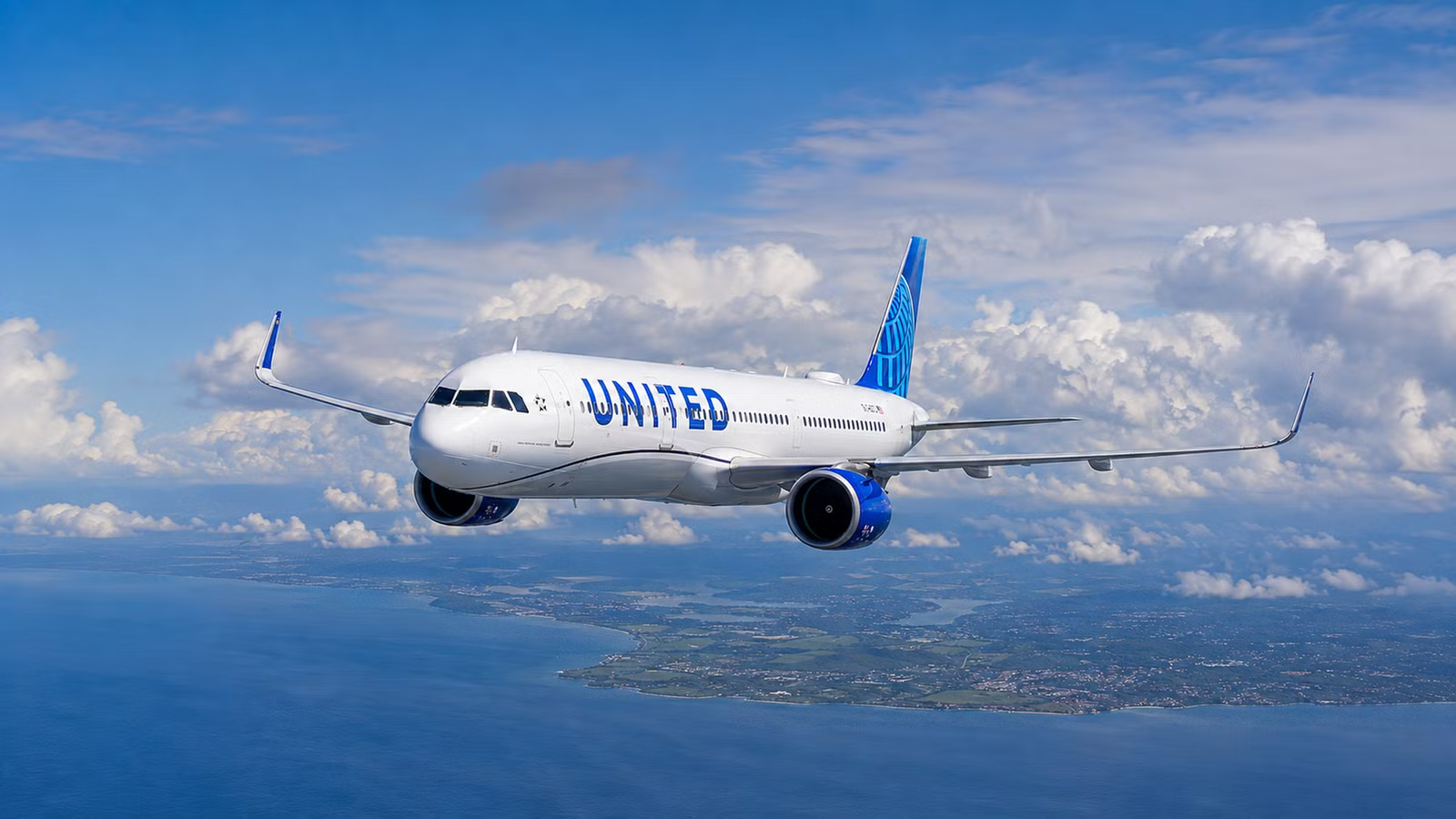
The order book stands at 130 conditional orders and pre-orders from  United Airlines, American Airlines, and Japan Airlines. Those commitments are non-binding, which means the airlines have expressed commercial interest and reserved delivery positions but have not made firm capital commitments to purchase the aircraft. Boom CEO Blake Scholl delivered a plenary at the AIAA AVIATION Forum on June 11, 2026, providing updates on the Overture flight test program and the Symphony engine while maintaining a target of 2029 for commercial entry into service.
What the 2029 target requires from this point forward is certification of both a clean-sheet airframe and a bespoke engine that has not yet completed core testing. No aerospace startup has achieved both simultaneously on any timeline. Boeing, Airbus, and the established engine manufacturers routinely take a decade or more to certify new aircraft and engine programs, with resources and institutional experience that Boom lacks.
The Engine Problem No Major Manufacturer Would Take On

Boom originally planned to use an existing engine from an established manufacturer. Rolls-Royce entered early discussions about adapting a variant of its Pearl engine family for the Overture program but withdrew. Pratt & Whitney and GE Aerospace also declined to participate. The reasons were not publicly detailed in every case, but the common thread was that no major engine manufacturer was willing to commit the engineering resources and certification risk required to develop a supersonic commercial engine for a startup’s unproven airframe. Building a new engine from scratch is one of the most expensive and technically demanding undertakings in aerospace, and the established manufacturers assessed the commercial risk as too high relative to the potential return.
Boom’s response was to develop Symphony in-house, a medium-bypass turbofan designed specifically for sustained supersonic cruise at Mach 1.7. The company secured a testing site at the Colorado Air and Space Port, investing $3-5 million to prepare the facility for engine core testing, which was scheduled to begin in late 2025. Boom is using 3D printing for rapid prototyping of engine components, reducing the time and cost of iterating on design changes during development. The approach is unconventional for an engine program of this scale, but it reflects the reality that Boom lacks access to the manufacturing infrastructure that Rolls-Royce or Pratt & Whitney would bring to a comparable effort.
The certification challenge is the most frequently cited concern among independent analysts. Certifying a new aircraft engine requires thousands of hours of ground, ingestion, blade containment, and flight testing before the FAA will approve it for commercial passenger service. Boom has not publicly disclosed a detailed timeline for completing that process, and the gap between late 2025 core testing and a 2029 entry into service leaves limited margin for the delays that new engine programs historically experience.
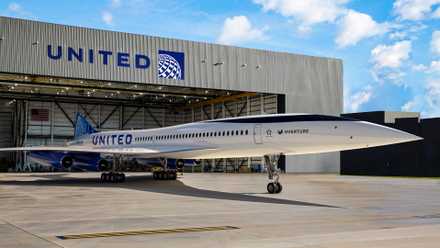
Why The Boom Overture Will Be The 1st Supersonic Jet With Affordable Flights
With a booming passenger market, increasing premium demand, and access to modern technology and designs, the Overture will be more affordable to fly.
The Superpower Turbine And What It Says About Boom’s Timeline

In parallel with Symphony development, Boom has been building a separate business line using the same engine architecture. The company’s Superpower program takes the Symphony core and packages it as a natural gas turbine for power generation, targeting AI data centers that need large amounts of reliable electricity on compressed timelines. Boom states that the Superpower turbine shares 80% of its hardware with the Symphony aviation engine. Baker Hughes has ordered 1.21 gigawatts of power-generation capacity using Superpower turbines, with deliveries scheduled to begin in mid-2026.
Catch what other flight trackers miss
Emergency squawks, holds, NOTAMs — live signals, no signup.
Open tracker
Catch what other flight trackers miss
Emergency squawks, holds, NOTAMs — live signals, no signup.
Open tracker
The Superpower program serves two practical purposes for Boom. First, it generates near-term revenue from hardware that the company is already developing, reducing Boom’s dependence on investor capital during the years before Overture produces any commercial income. Second, it builds manufacturing volume on shared components, which, in theory, drives down per-unit costs for the Symphony engine when it enters production for the aviation program. More units of the same core hardware produced across two applications cost less per unit than a small production run serving aviation alone.
The program also raises a question that Boom has not directly addressed. If 80% of the Symphony engine’s hardware is being sold successfully as a power generation product, Boom has a viable business that does not depend on Overture reaching commercial service on schedule or at all. That is a reasonable hedge for a company facing the most technically demanding certification challenge in commercial aerospace.
Boomless Cruise And The Overland Flight Problem

Supersonic flight over land has been prohibited in the United States since 1973 because of the sonic boom generated when an aircraft exceeds Mach 1. President Trump’s June 2025 executive order directed the FAA to repeal that ban and establish a noise-based certification standard, but the interim framework does not guarantee that Overture will be permitted to fly supersonically over populated areas. The replacement standard ties approval to measurable acoustic impact, meaning the aircraft must demonstrate that its sonic boom is below the threshold the FAA sets. If Overture cannot meet that threshold, its supersonic capability is limited to overwater routes.
Boom’s approach to the problem is a software system called Boomless Cruise. The system calculates the speeds and altitudes at which atmospheric conditions refract the sonic boom upward, preventing it from reaching the ground at full intensity. Boom claims to have demonstrated the concept using the XB-1, though the details of what was measured and under what conditions have not been published with the kind of independent verification that regulators would require for certification. The approach is fundamentally different from NASA’s X-59, which uses airframe shaping to physically reduce the intensity of the boom rather than relying on atmospheric management to redirect it.
The distinction matters for Overture’s route economics. If Boomless Cruise works reliably, Overture can fly supersonically over land on routes where atmospheric conditions cooperate, opening transcontinental and overland international city pairs. If it does not, Overture is restricted to overwater routes where the boom reaches only the ocean surface, which limits the commercially viable network to transatlantic and select transpacific city pairs. A significant portion of the routes that would make Overture most useful to its airline customers involve overland segments.
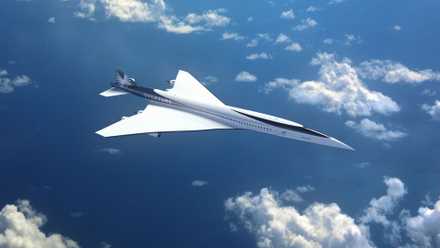
Will Boom Ever Fly? United CEO Gives Overture A 50-50 Chance
Scott Kirby has some strong thoughts on the startup program and manufacturer.
What Analysts Say About The 2029 Date

Forecast International’s assessment of the Overture program describes the 2029 commercial entry target as highly speculative and predicts a likely slip into the 2030s. The basis for that assessment is the scope of what remains to be accomplished. Boom must complete Symphony engine core testing, build and test full prototype engines, design and manufacture flight test aircraft, conduct a multi-year flight test campaign, and achieve both FAA type certification for the airframe and engine certification for Symphony, all within approximately three years from mid-2026.
The historical precedent for clean-sheet commercial aircraft programs does not support that timeline. Boeing’s 787, developed by one of the two largest aircraft manufacturers in the world with decades of certification experience, took roughly eight years from program launch to first commercial flight and ran billions of dollars over budget. The Airbus A350 followed a similar timeline. Both programs used engines from established manufacturers with existing certification frameworks. Boom is attempting to certify both an airframe and an engine simultaneously, with neither component having an established certification history and with a workforce and budget that are a fraction of what Boeing and Airbus deployed on their programs.
The conditional nature of the order book adds another consideration. The 130 orders from United, American, and JAL are non-binding. Airlines placed those commitments based on the promise of the aircraft rather than a certified product, and non-binding orders can be deferred or canceled without financial penalty if the program timeline or specifications change.