dailynewsnblog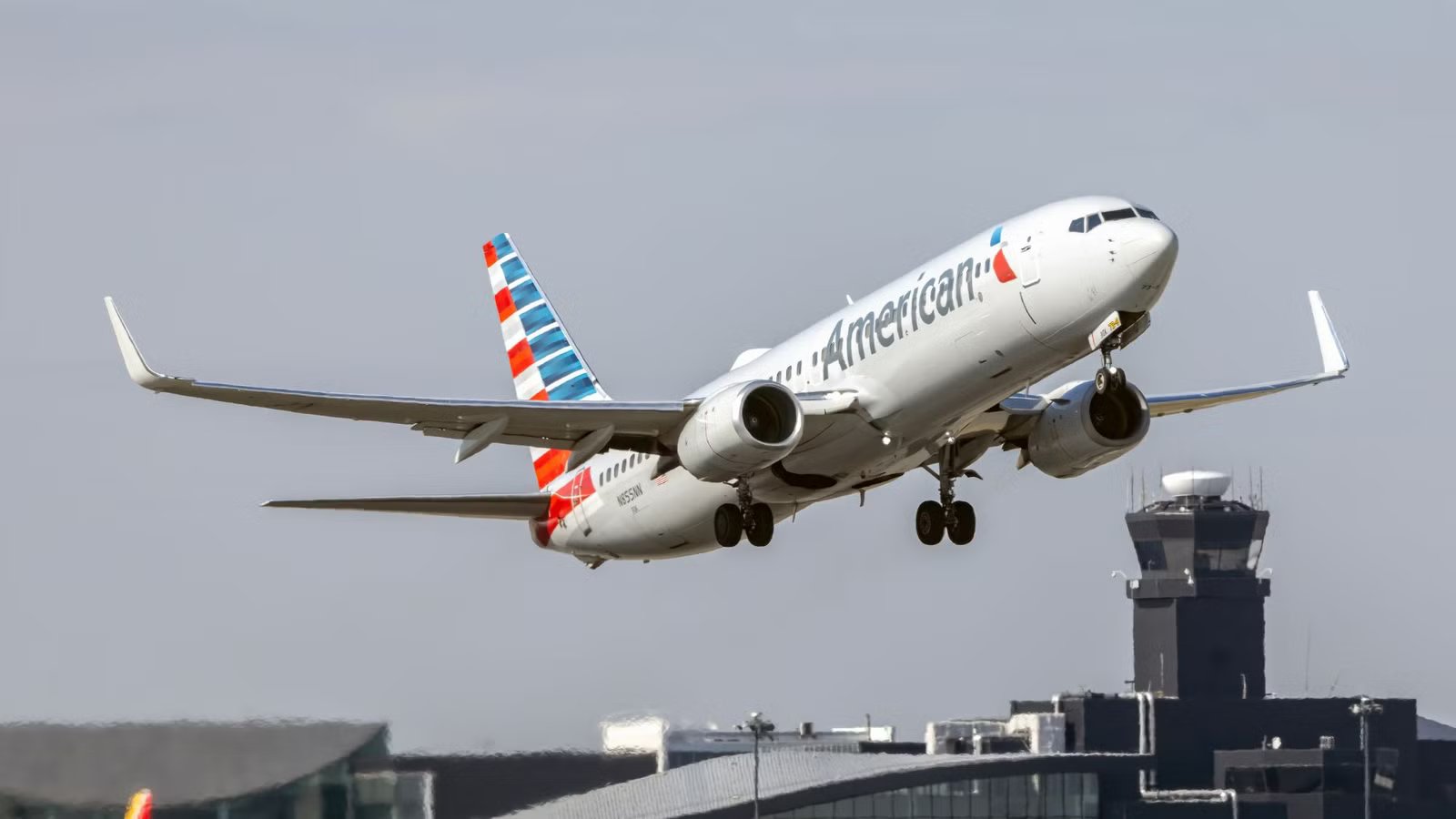
 American Airlines has dramatically scaled back its schedule on the seasonal route between Austin-Bergstrom International Airport (AUS) and Los Cabos International Airport (SJD), slashing 18,920 seats from the market for the Winter 2026/2027 season. According to recent Cirium schedule data, the airline has gutted what was originally filed as a robust winter operation, reducing its presence to just a handful of flights over the three months. This aggressive downsizing marks a stark pivot from American’s previous strategy of capturing high-demand leisure traffic out of the booming Central Texas market during peak vacation months.
The retrenchment is particularly striking given the carrier’s original ambitions for the corridor, which once included daily operations during the busy month of December. Instead, American is pulling back its 172-seat Boeing 737-800 aircraft from regular rotations, leaving a massive capacity void on the popular route to Mexico’s Baja California peninsula. As American retreats, the scheduling shift dramatically alters the competitive dynamics for holiday travelers, forcing remaining legacy and low-cost rivals to absorb the local demand.
The Anatomy Of American Airlines’ Capacity Cuts

The schedule revisions, highlighted by Aeroroutes, reveal a sweeping reduction starting in late autumn. For November 2026, American initially filed 48 total flights, offering over 8,200 seats for the month. The latest updates show that the schedule has been decimated to just four total flights, two in each direction, leaving a mere 688 seats, representing an immediate loss of 7,568 seats right at the start of the seasonal corridor.
December is when the scaling back hits hardest, completely erasing what was meant to be a daily operation. Rather than running the planned 62 bi-directional flights to capture peak holiday traffic, American has matched its November skeleton schedule of just four flights total. This single adjustment removes nearly 10,000 seats from the market during the year’s highest-demand travel month, signaling a complete abandonment of the carrier’s holiday strategy for the route.
The cuts lead directly into the new year, ensuring that the route will not see a late-season recovery. January 2027 data show that an originally modest schedule of 10 flights has been pared down to a single round-trip pair (2 flights total). By removing 1,376 seats from January’s data, American’s total cuts across the three months lock in at exactly 18,920 seats, effectively rendering the route non-existent for the average traveler.
Simple Flying contacted American for a comment, but a representative was not immediately available.
A Left-Open Lane for Competitors

With American effectively stepping out of the ring, the competitive landscape on the Austin-Los Cabos route shifts entirely to  Southwest Airlines and
  Delta Air Lines. These carriers are holding the line at their previously scheduled capacity, positioning themselves to capture the holiday vacationers that American may have left behind. The sudden lack of one legacy competitor could give both airlines a significant boost in pricing power on this premium leisure route.
Delta is maintaining a steady, reliable footprint throughout the winter, utilizing its Airbus A319 aircraft. For both December and January, Delta has scheduled 26 flights (13 each way) in December, then 62 (31 each way) in January. Delta’s decision to keep its schedule intact provides a consistent, premium option for travelers who prefer a network carrier experience with first-class inventory.
Southwest is also poised to benefit immensely from American’s retreat, offering a more robust frequency during the core winter months. Operating its 737-700 fleet, Southwest is maintaining 12 flights in November, ramping up to 22 flights (11 each way) in December, then slightly reducing to nine each way in January.

Why American Airlines Keeps Its Largest Maintenance Base 250 Miles From Its Fort Worth Hub
From it’s wartime roots, Tulsa Tech Ops remains essential to the airline.
Austin’s Shifting Airline Dynamics

This major route reduction is a symbol of a broader, ongoing recalibration of American’s strategy in Austin. Over the last few years, the carrier has aggressively expanded into the Central Texas tech hub, aiming to build a prominent focus city to rival competitors’ networks. However, facing intense competition, American has spent recent quarters trimming underperforming routes and optimizing its network back toward its primary mega-hubs.
The loss of these seasonal seats highlights the volatile nature of Austin-Bergstrom’s current international expansion. While AUS remains one of the fastest-growing airports in the country, airlines are proving quick to pull the trigger on capacity cuts if a route does not immediately meet profitability targets. Rather than fighting a multi-carrier war for leisure passengers heading to Cabo, American appears content to reallocate its 172-seat 737s to more secure routes.
Ultimately, Central Texas travelers will feel the squeeze of this decision in the form of reduced flexibility and potentially higher fares during peak winter vacation weeks. With American offering only token weekend or holiday service, the burden of transporting thousands of sun-seekers falls entirely on Delta and Southwest. How these remaining carriers handle the surge in demand will determine whether Austin-Los Cabos remains a highly accessible getaway or becomes a premium-priced luxury corridor.