dailynewsnblog
I’ve had the American Express Platinum Card® for the best part of a decade, and for most of that time, United Airlines has been my selected airline for the card’s up to $200 annual airline fee statement credit (enrollment required).
It was the right choice then.
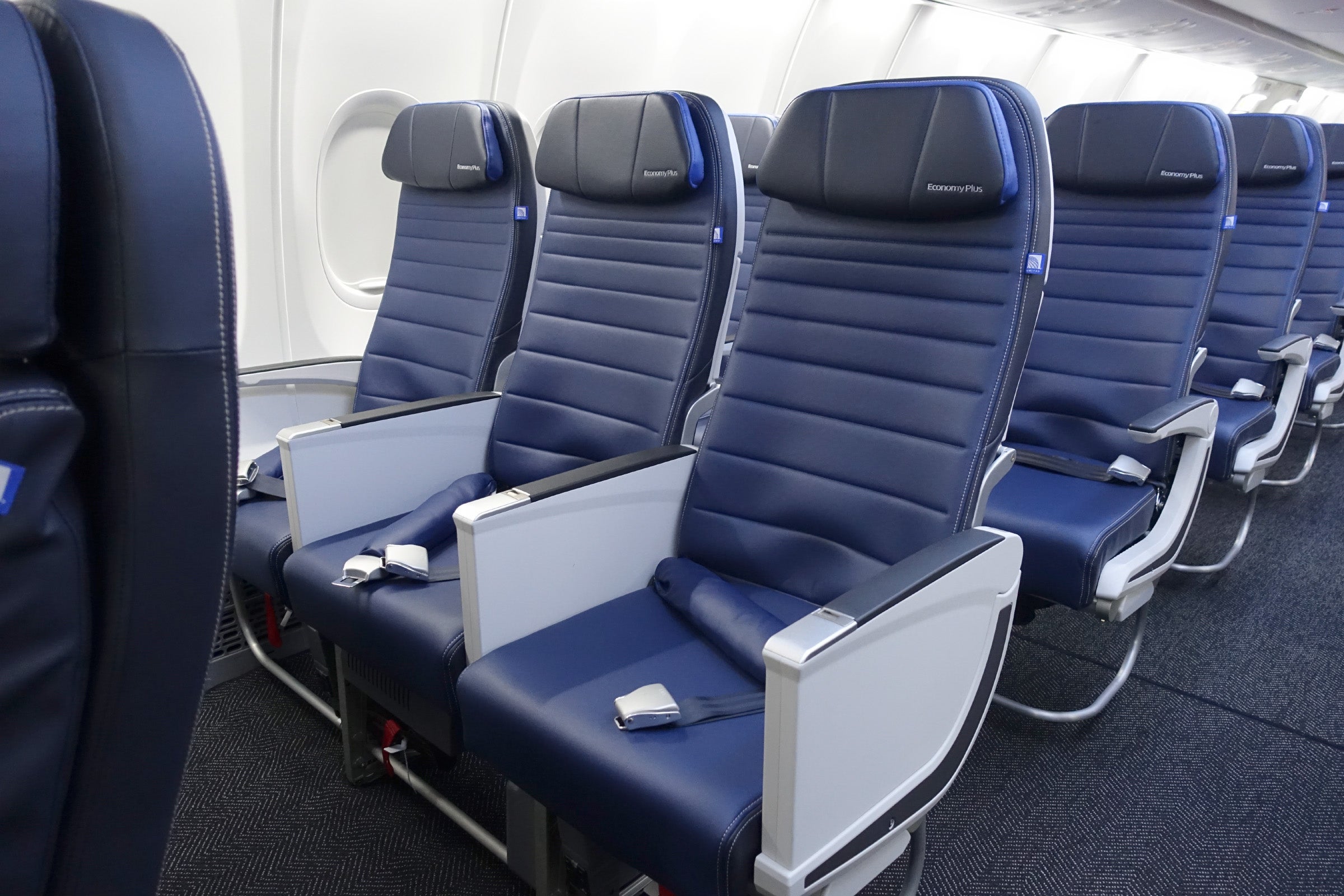
Earlier this year, I used part of my 2026 credit toward a United Economy Plus seat assignment on a flight to Mexico.
A few months later, though, my travel habits had changed.
I now have a large balance of Atmos Rewards points, and I recently status matched to oneworld Sapphire (through Royal Jordanian). As a result, I’m much more likely to fly American Airlines than United for the rest of the year.
That wouldn’t normally be a problem. However, when I contacted American Express to ask about switching my selected airline from United to AA mid-year, I was told I’d need to wait until the next January selection window.
So here I am with roughly $130 of airline fee credit left to use — and an airline selection that no longer reflects how I’m actually traveling.
That’s what made me realize the Amex airline fee credit is starting to show its age.
My experience: When the airline selection rule backfired
The airline fee credit is built on a simple assumption: Cardmembers can pick one airline at the beginning of the year and stick with it for the next 12 months. But travel rarely works that neatly.

Reward your inbox with the TPG Daily newsletter
Join over 700,000 readers for breaking news, in-depth guides and exclusive deals from TPG’s experts
Award availability, elite status opportunities and changing travel plans can completely alter which airline makes the most sense over the course of a year.
When I selected United, it was a logical choice. I had successfully used the credit with United in prior years, and I expected to continue flying the airline regularly.
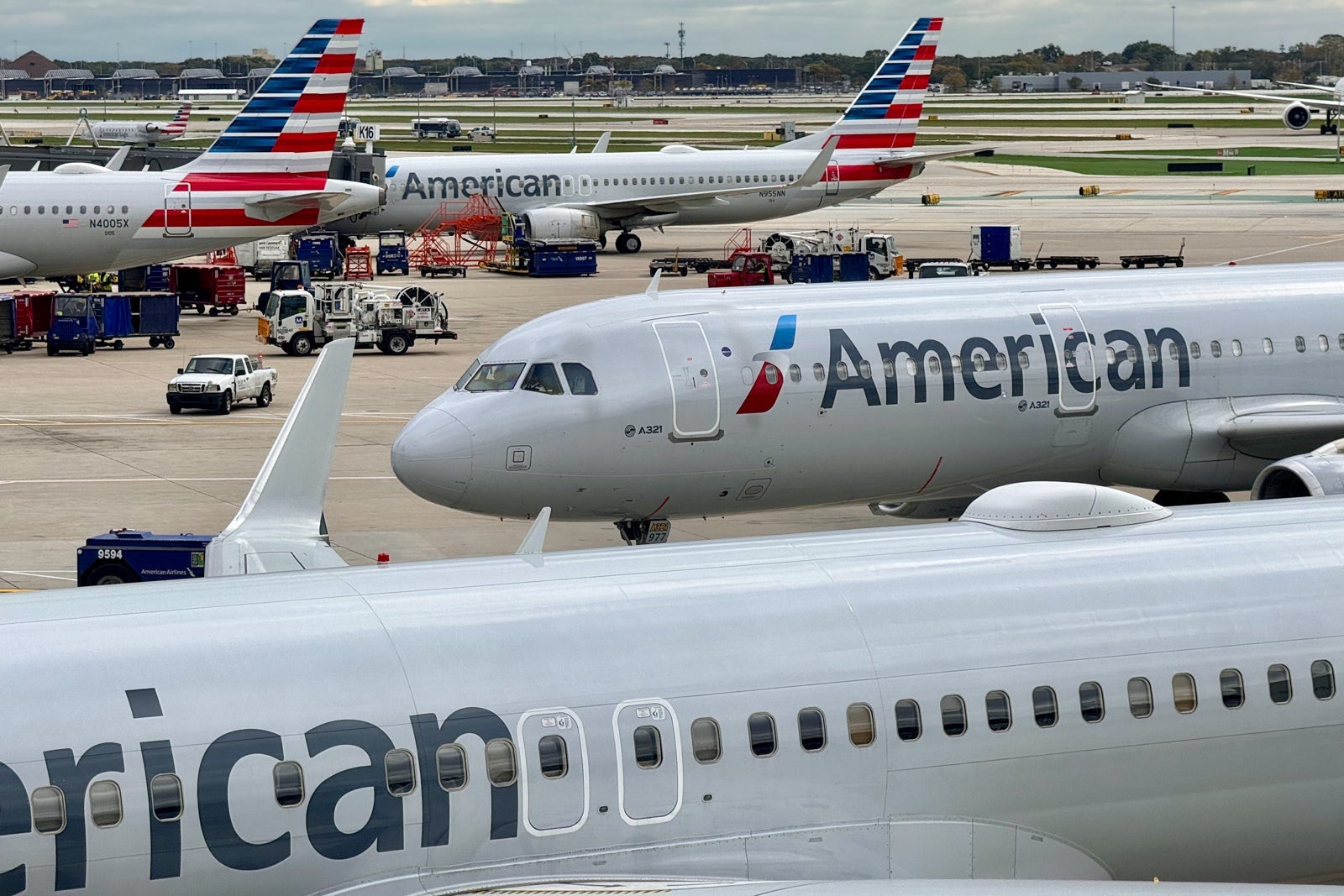
Since then, though, my travel priorities have shifted. Between my Atmos Rewards balance and my oneworld Sapphire status, American Airlines and its partners, such as Iberia and Qatar Airways, have become a much bigger part of my travel plans.
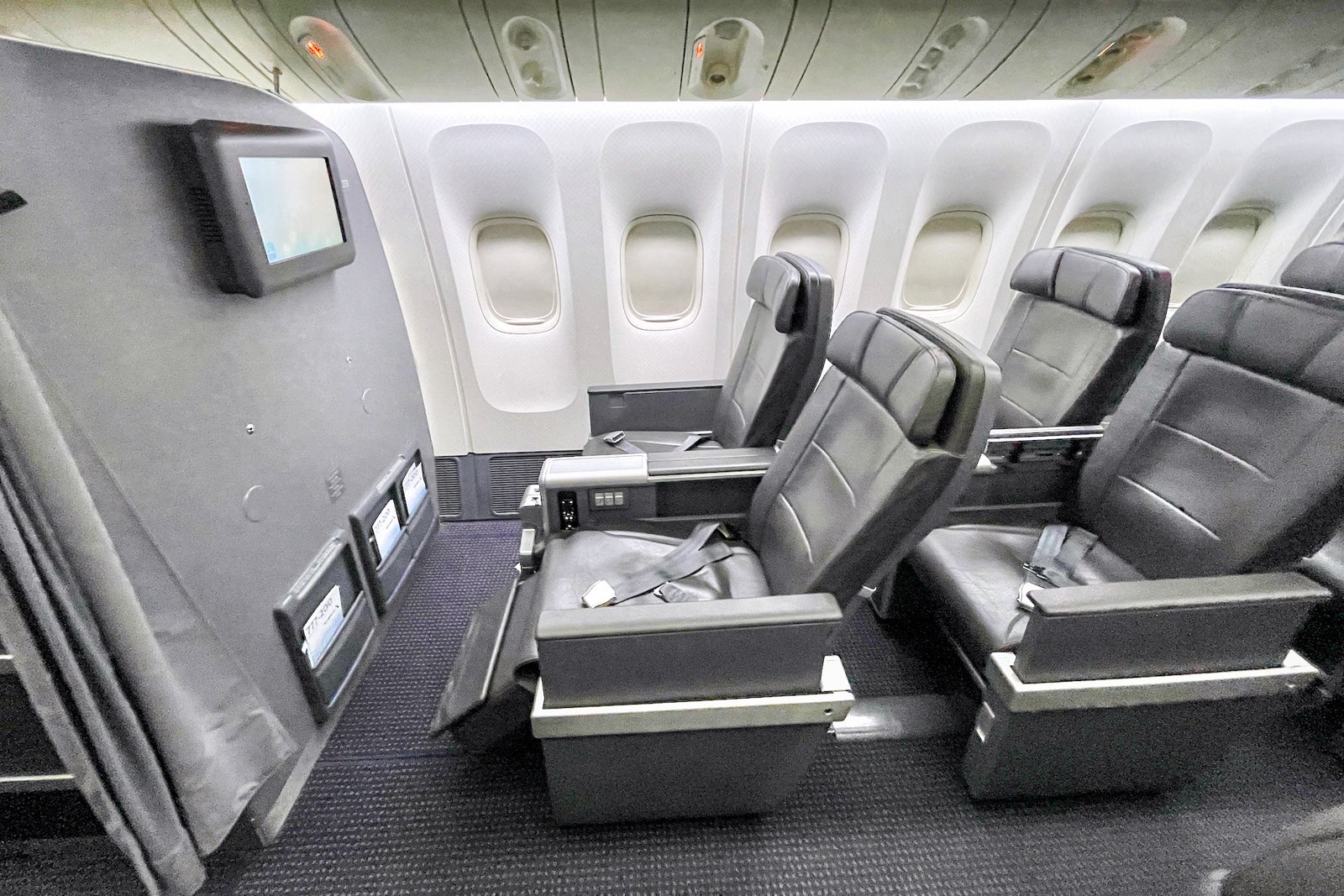
If my selected airline were AA today, I’d have no trouble using the remaining credit. Main Cabin Extra and preferred seat assignments and inflight purchases would quickly take care of the balance.
Instead, the credit is tied to a decision I made months ago under completely different circumstances.
The specifics of my situation may be unique, but I suspect the underlying problem isn’t. Few travelers know exactly how they’ll be flying in January for the rest of the year.
What the Amex airline fee credit actually covers
Cardmembers holding the American Express Platinum and The Business Platinum Card® from American Express can receive up to $200 in statement credits each calendar year for incidental fees charged by one selected qualifying airline (enrollment required).
Qualifying airlines currently include:
- Alaska Airlines
- American Airlines
- Delta Air Lines
- Hawaiian Airlines
- JetBlue Airways
- Southwest Airlines
- United Airlines
The credit is intended for incidental purchases such as checked bags, seat assignments, lounge day passes and inflight purchases. Airfare, upgrades, award taxes and fees, gift cards and mileage purchases generally don’t qualify.
Checked bag fees have become significantly more expensive over the past several years, which arguably makes the credit easier for some travelers to use.
But the travelers loyal to a single airline often receive free bags and other perks through elite status or a cobranded airline credit card.
Why the credit became harder to use in 2026
For years, many cardmembers found unofficial ways to make the airline fee credit more useful than the terms suggested.
One of the most popular examples was United TravelBank. While TravelBank cash purchases were never listed as an eligible use of the credit, they frequently triggered statement credits for many cardmembers in prior years.
That changed in February, when reports from the points-and-miles community suggested that TravelBank purchases were no longer reliably triggering the credit.
Around the same time, reports also emerged that some Delta-related workarounds had stopped working.

I’m less interested in whether they were ever intended to work. American Express has long been clear that airfare, gift cards and similar purchases aren’t eligible. What’s more revealing is why those workarounds became so popular.
TravelBank wasn’t attractive because people wanted stored-value balances with United. It was attractive because it effectively turned a restrictive incidental-fee credit into something that felt more like a general travel credit.
When a workaround disappears, it doesn’t create the underlying problem — it simply exposes it.
American Express has become better at enforcing the terms; the terms themselves, however, haven’t evolved very much.
Why this benefit no longer matches how some Platinum cardmembers travel
The American Express Platinum airline fee credit still works well for some people.
If you’re loyal to a single airline, regularly pay incidental fees and know your travel plans well in advance, you can absolutely get full value from it.

The issue is some of us redeem points across multiple airline alliances, book based on award availability, chase elite status opportunities or simply choose whichever airline offers the best combination of schedule, price and convenience.
Travelers most likely to pay a premium annual fee are also among the least likely to incur the specific charges this credit reimburses.
Why Amex may be reluctant to change it
There are business reasons why benefits like this exist.
In the credit card industry, “breakage” refers to benefits that cardmembers don’t fully use. When a credit is restrictive, some cardmembers won’t use it to its full extent, reducing the issuer’s overall cost.
A broad travel credit typically has less breakage than a narrowly defined airline incidental fee credit. That’s one reason issuers may prefer more restrictive benefits.
But there’s a balance to strike.
American Express refreshed the Platinum Card last September, yet the airline fee credit remained largely untouched. To me, that felt like a missed opportunity to modernize the benefit.
4 ways American Express could modernize this benefit
Fortunately, fixing this benefit wouldn’t necessarily require American Express to spend more money.
Allow airline changes throughout the year
If Amex wants to keep the airline-specific model, it should consider making it more flexible.
Even allowing one airline change per quarter would solve many of the problems I experienced this year.
Travel habits can change quickly. A premium travel card should acknowledge that reality.
Expand eligible airline purchases
Alternatively, Amex could keep the current structure but broaden the list of qualifying purchases.
Airfare would be the most obvious addition, but upgrades and award taxes and fees would also make the benefit more useful.
The company already offers a more flexible airline credit structure on the Hilton Honors American Express Aspire Card. Each calendar quarter, cardmembers receive up to $50 in statement credits to use on flight purchases made directly with an airline, on amextravel.com or through the Amex Travel App™.
This credit clearly shows that Amex has the infrastructure to support a different approach.
Convert it into an Amex Travel credit
If Amex could change only one thing, this would be my suggestion.
American Express has spent years encouraging cardmembers to engage with its travel ecosystem. So why not align the airline fee credit with that broader strategy?
Instead of limiting the benefit to airline incidentals, Amex could turn it into a general Amex Travel credit that works on flights, hotels, vacation rentals, rental cars or cruises booked through the platform.

We’ve already seen another issuer take this approach.
Chase already encourages bookings through its travel portal by allowing Chase Sapphire Reserve® (see rates and fees) to combine the card’s $300 annual travel credit with The Edit by Chase Travel℠ statement credits.
Amex could take a similar approach by allowing cardmembers to stack a broader travel credit with the biannual Fine Hotels + Resorts and The Hotel Collection credit.
Cardmembers receive up to $600 in hotel statement credits each calendar year (up to $300 biannually) for prepaid bookings with Fine Hotels + Resorts or The Hotel Collection properties through American Express Travel®. (THC requires a minimum two-night stay.)
That would make the benefit easier to use while simultaneously encouraging more bookings through Amex Travel.
Related: Here’s your guide to the Amex Platinum and Business Platinum prepaid hotel credit
Let cardmembers choose
Finally, Amex could give cardmembers options.
Some might prefer the traditional airline incidental fee credit; others might choose an Amex Travel credit instead.
Another possibility would be a lounge-focused credit that helps cover Centurion Lounge guest fees, which currently cost $50 per adult (unless you spend $75,000 on your card in a calendar year).

Giving cardmembers a choice would likely improve satisfaction without significantly changing the overall cost of the benefit.
Bottom line
I still have roughly $130 of my American Express Platinum airline fee credit remaining this year.
The problem isn’t that I don’t have travel planned. It’s that the travel I have planned no longer matches the airline I selected months ago.
The disappearance of popular workarounds like United TravelBank didn’t create the airline fee credit’s shortcomings — it just made them harder to ignore.
The airline fee credit isn’t a bad benefit. It just hasn’t kept pace with the way many Platinum cardmembers actually travel.
American Express doesn’t necessarily need to spend more money on this benefit. But if it wants the credit to remain relevant, it needs to make it fit the way people actually travel today.
To learn more, check out our full review of the Amex Platinum.