

 dailynewsnblog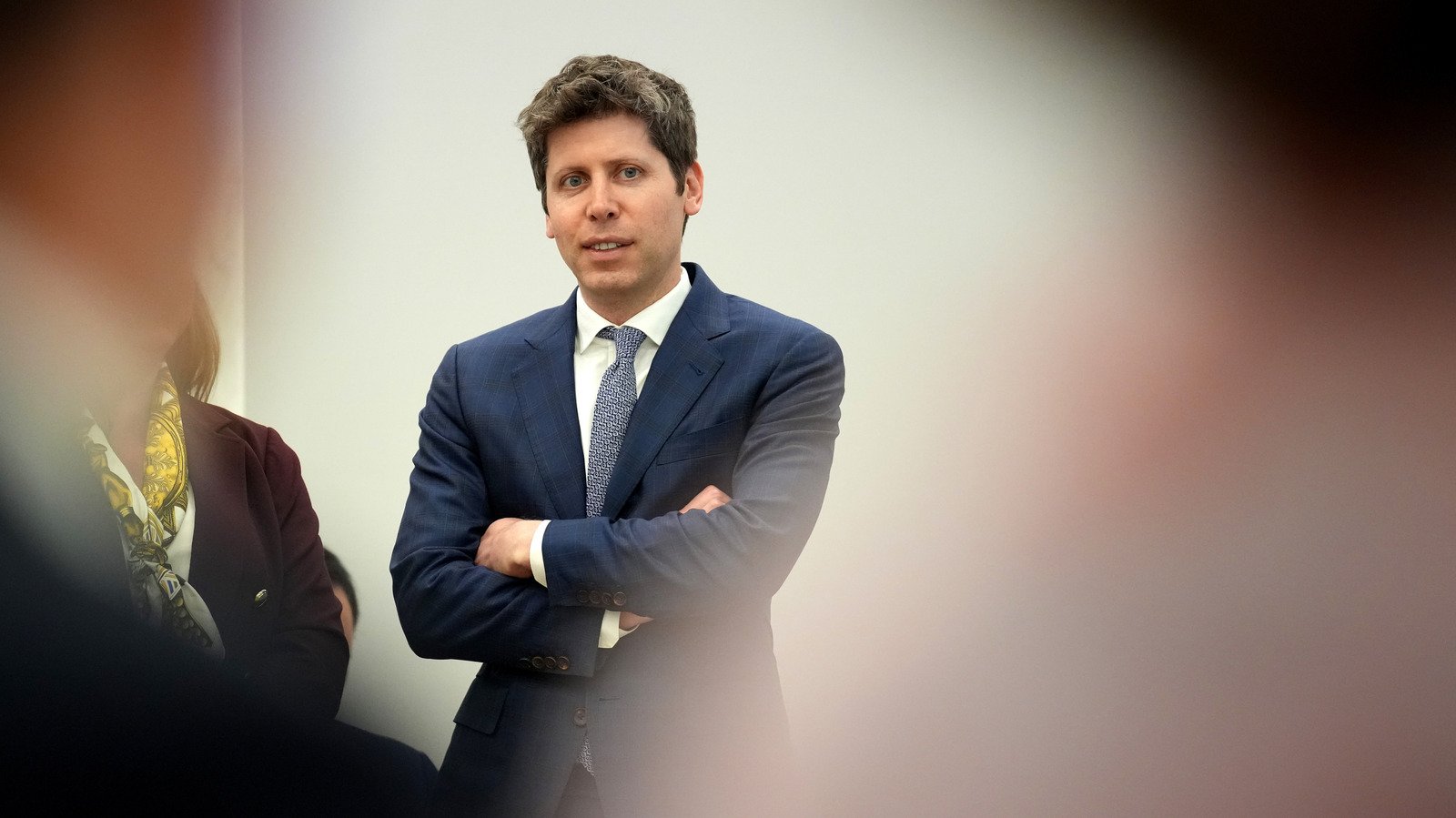
Sam Altman is in talks with the US government in a bid to clear political hurdles, says the Financial Times.
OpenAI’s Sam Altman has reportedly been in talks with the US government to ensure his company’s path towards achieving its goals remains free of political hurdles. According to the Financial Times, Altman has suggested giving the government a five percent stake in the company, in order to share the spoils of the AI boom with the public. But his idea doesn’t only involve OpenAI: Under his proposal, other top AI companies like Google, Anthropic, xAI and Meta would have to agree to give the government a similar stake in their businesses.
AI companies like Anthropic and OpenAI have recently encountered roadblocks from the US government when it came to releasing their latest AI models. Anthropic had to block all access to its Mythos and Fable cybersecurity models after being ordered to do so by the Trump administration. It was only recently granted permission to restore users’ access to them. Meanwhile, OpenAI had to roll out a limited preview of its GPT-5.6 model to government-approved partners, as requested by the administration, as well.
In June, Trump had signed a scaled-back executive order, which asks AI companies to share their most powerful models for voluntary government review 30 days before making them available to the public. Politicians, including Trump’s allies, as well as organizations like the UN, however, are calling for more stringent AI policies.
As the Times notes, giving the government part ownership worked for another firm before. President Trump used to call for Intel CEO Lip-Bu Tan to resign until his administration took a 10 percent stake in the chipmaker. Trump even recently boasted that “America’s stake [in Intel] is now over 60 billion dollars” from $8.9 billion in 2025.
Altman and other OpenAI executives reportedly floated the idea of having leading AI developers give a five percent equity to sovereign funds, such as the Alaska Permanent Fund, which pays dividends to the state government and residents. Talks between OpenAI and the government are in their very early stages, though, and the Times says any deal would still require Congress approval.






![Wizz Air’s Massive Expansion: 19 New Routes Unveiled [Map]](https://dailynewsnblog.com/wp-content/uploads/2026/07/untitled-design-62.jpg)