dailynewsnblog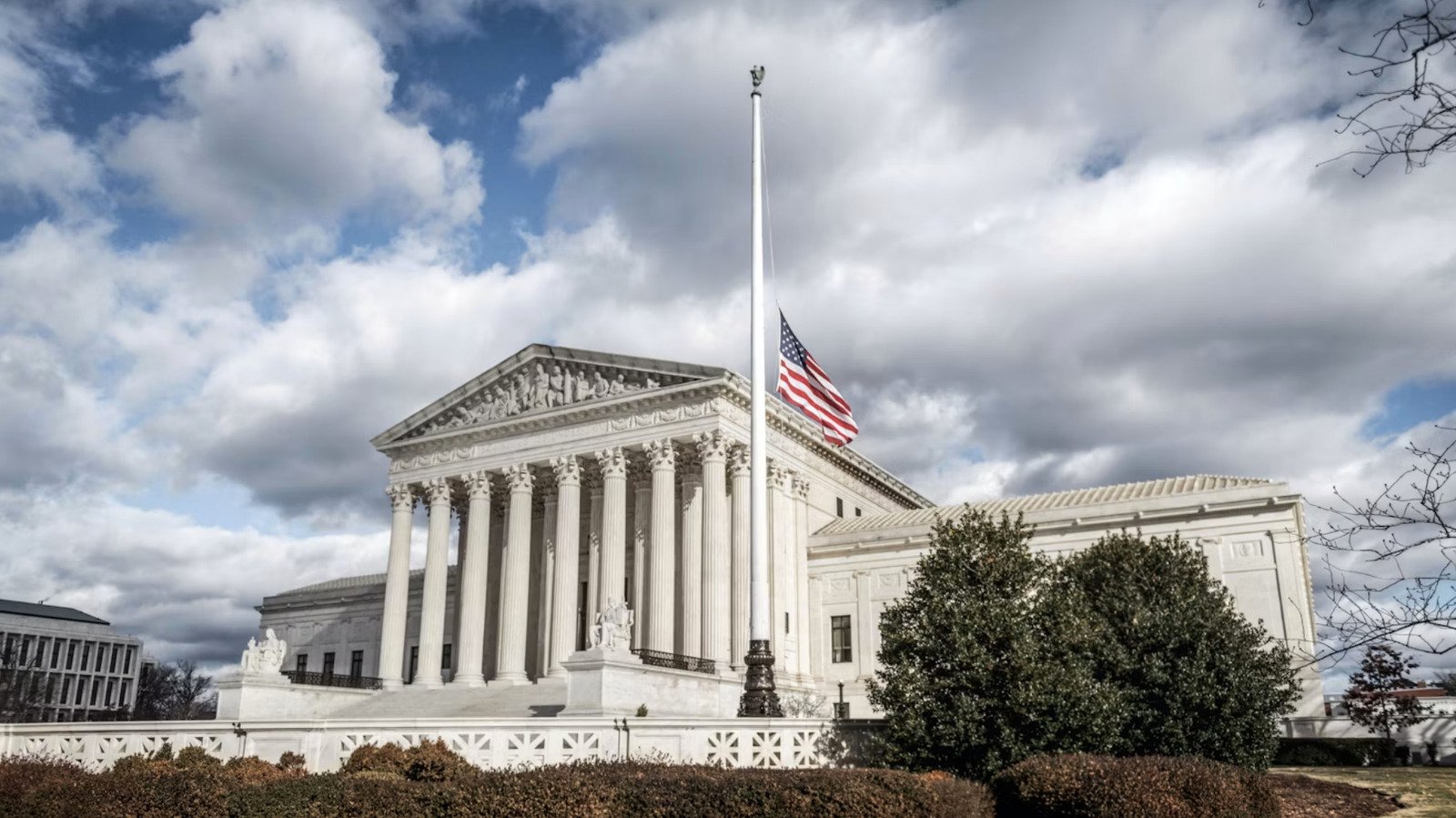
This is a big win for privacy rights.
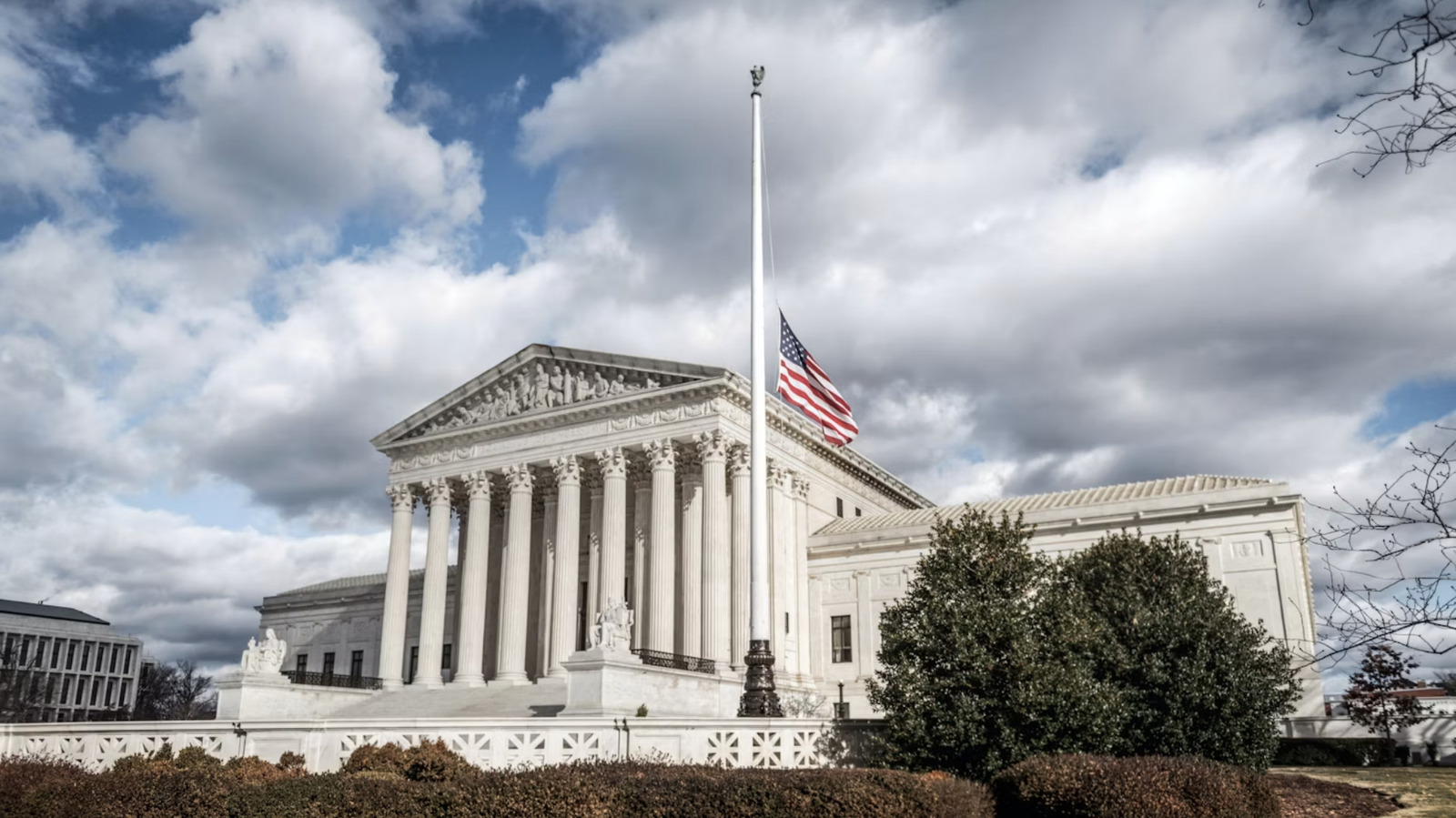
The US Supreme Court just issued a ruling that limits geofence searches by law enforcement agencies, which could have major ramifications for privacy rights across the country. For the uninitiated, this is a relatively recent law enforcement technique in which police tap into the databases of tech companies to see who was near the scene of a crime.
In the 6-3 ruling, the country’s top court said that “an individual has a reasonable expectation of privacy in his cell-phone location information.” Justice Elena Kagan said that geofence warrants violate the Fourth Amendment’s prohibition against unreasonable searches. Moving forward, law enforcement will have to obtain an actual search warrant to force a tech company into handing over geofence location data. Search warrants require probable cause, which geofence warrants do not.
The case that led to this decision involves a robbery in Virginia, according to a report by NPR. A man stole $195,000 from a bank and the case went cold until detectives served Google with a geofence warrant. They obtained location information of cellphone users near the bank for the hour before and after the crime was committed.
Google pushed back in a way, providing the police with just three of the 19 people tagged as being near the bank. However, one of these three ended up being the culprit.
Okello Chatrie confessed but his attorneys argued in filings that geofence searches violate the Fourth Amendment, as they allow government entities to “search first and develop suspicions later.” In this instance, the geofence search mandated that Google pore through the data of millions of users. In other words, these people were searched without having done anything suspicious.
We don’t know how today’s ruling will impact past court cases that used geofence warrants. The ruling isn’t expected to change Chatrie’s sentence, according to a report by TechCrunch.
As for the government, it argued in its filings that location data isn’t constitutionally protected on the grounds that people “choose” to hand it over by failing to disable system-wide geotracking services and background app tracking on phones.