dailynewsnblog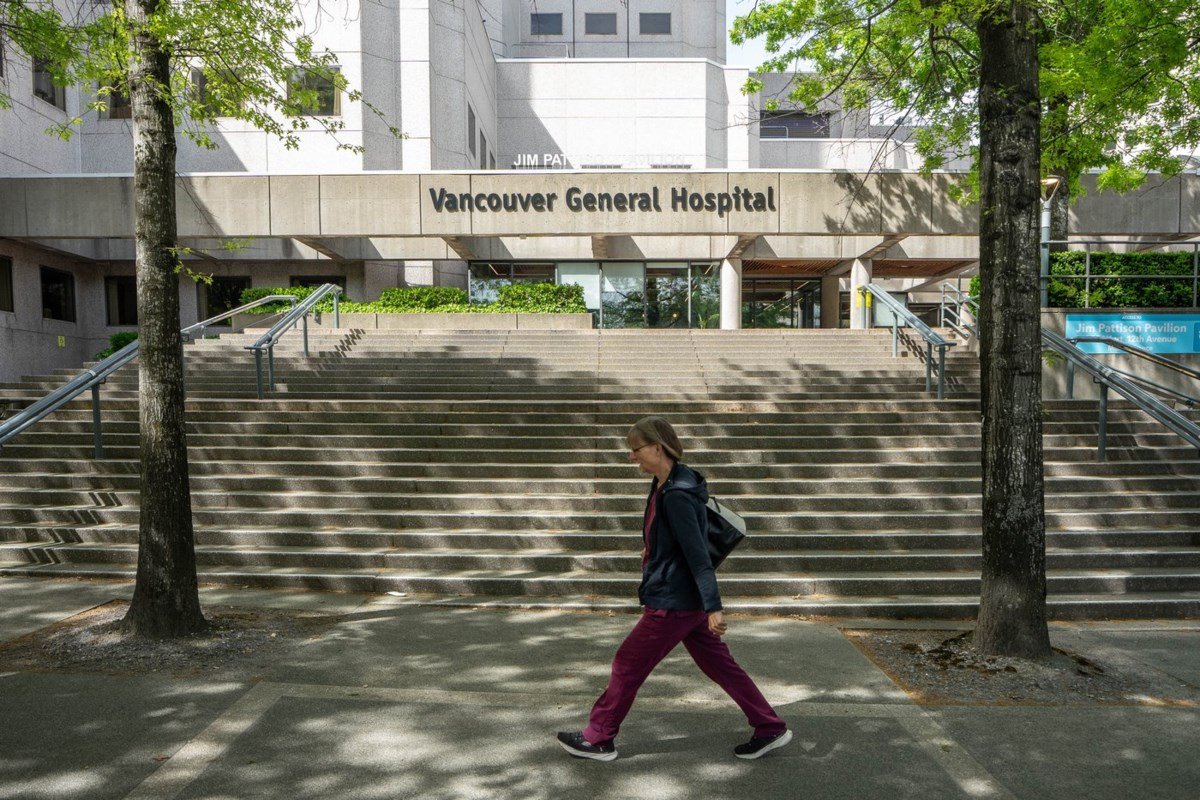

British Columbia’s nurses have reached a “breaking point” with burnout, the rising threat of violence and constant staffing shortages, setting off 72-hour strike notice, union president Adriane Gear said Monday.
British Columbia’s nurses have reached a “breaking point” with burnout, the rising threat of violence and constant staffing shortages, setting off 72-hour strike notice, union president Adriane Gear said Monday.
It comes just weeks after its members voted 67 per cent to reject a tentative contract offer that had been negotiated between the union’s leadership and the Health Employers Association of B.C.
“For many nurses, this is more than a collective agreement,” Gear said at the news conference announcing the strike notice. “It is about a profession that has reached a breaking point. It is about nurses who can no longer stay silent as they watch experienced and novice colleagues leave the profession injured and burnt out.”
Gear said the decision to strike was not made lightly.
“We are demanding to be heard. Nurses are demanding that our work be valued. And we are demanding that government and health employers recognize a simple truth: there is no health care system without nurses.”
The union, which represents 60,000 members, is now in a legal position to strike starting Thursday at noon if no progress is made in negotiations.
The tentative agreement rejected by union members offered a 12-per-cent wage increase over four years and other improved benefits.
Gear said the rejection is a signal of growing frustration by the members as the pressures increase on their profession and the health-care system.
She said among the frustrations is deteriorating workplace safety, where violence in health care is seen on a monthly — if not daily — basis.
Nurses say that violence is most visible in emergency departments, strained by staffing shortages and rising demand for services.
Gear said the ER work environment is like a “pressure cooker.”
“People wait for many, many hours to receive care,” she said. “They’re at a really high stress point in what’s going on for them — maybe in a lot of pain, maybe it’s a family member that is advocating for a patient — and they take it out on the nurse.
“That’s not an excuse, but we also understand that people are really struggling.”
Health Minister Josie Osborne said in a statement after the strike notice was issued that they respect the right of all workers to bargain collectively, including the decision to take job action.
“People will continue to get the health care they need. The Labour Board has robust processes in place to thoughtfully set what constitutes an essential service.”
Osborne said the negotiations are important and sensitive, and the government wants to give the Health Employers Association and the Nurses Bargaining Association some space.
“Nurses are valued members of our health-care system,” she said, adding that the best collective agreements “are found at the bargaining table.”
Gear said that the employers have requested to continue negotiations after receiving the strike notice, but the two sides remain “significantly” apart in reaching an agreement.
“I want to make it very clear that nurses have spoken: The status quo cannot continue,” she said.
Among the developments adding to the nurses’ frustration, Gear said, is the B.C. government’s priority of other investments despite its financial restraints.
She referenced the World Cup, where seven games have been or are scheduled for Vancouver.
“This government has shown it can find resources when something is a priority. For example, over half-a-billion dollars spent on private-agency nursing, or hundreds of millions to host an international sporting event.
“Today, nurses are demanding that health care be a priority for this government.”
The union said job action — if it were to happen — could take the form of anything from an overtime ban to a larger-scale withdrawal of services, excluding those that are designated as essential.
Jim Gould, the union’s chief negotiator, said in a statement that nurses have reached a point where they want to shine a light on crowded hospitals and understaffed facilities.
Before reaching the tentative deal that was rejected, nurses had voted 98.2 per cent in favour of authorizing strike action in their labour dispute with the province.
This report by The Canadian Press was first published June 29, 2026.
Chuck Chiang, The Canadian Press