dailynewsnblog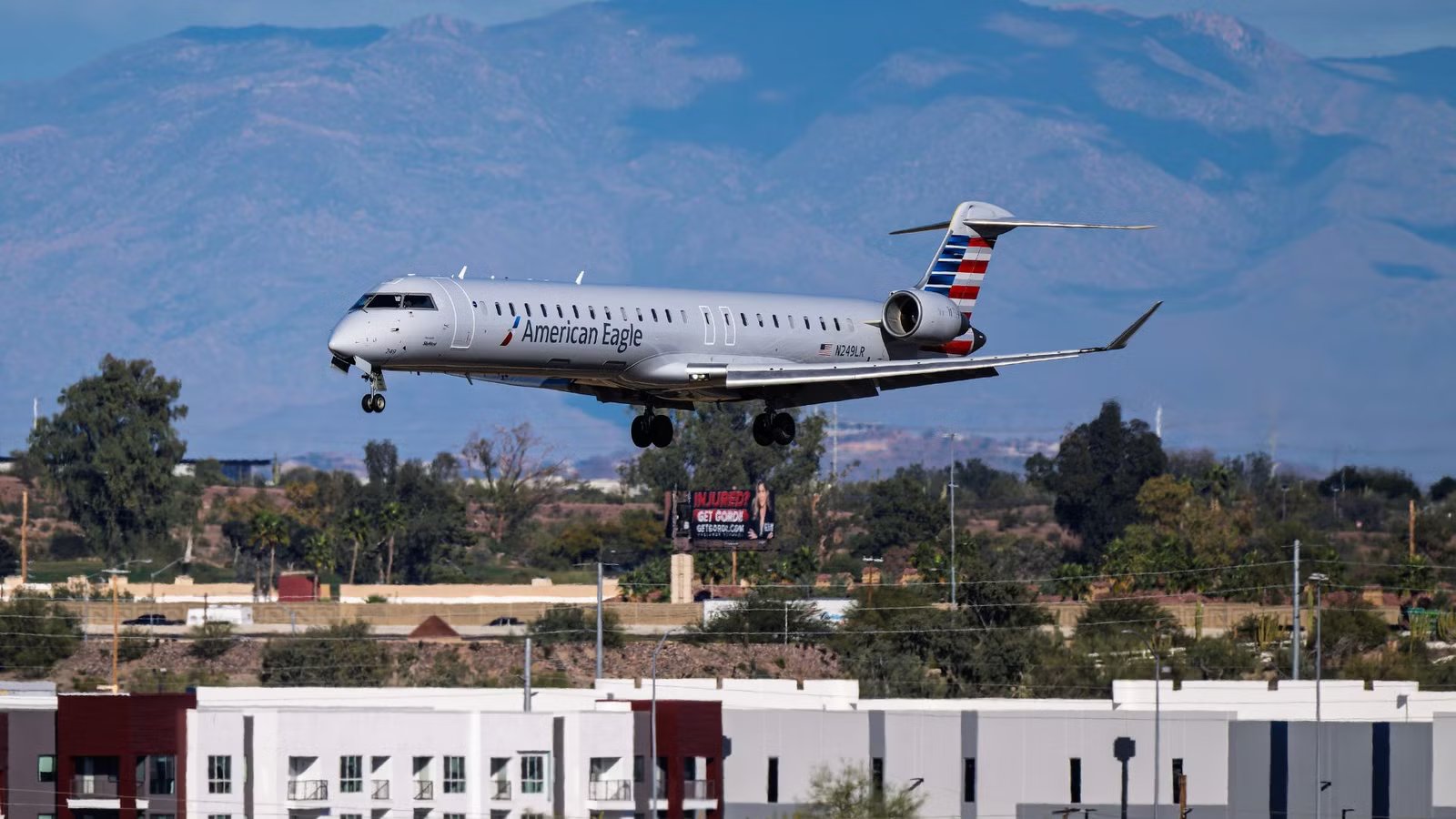
Naples Airport (APF) in Florida is preparing for what could become one of its biggest commercial aviation developments in decades, as  American Airlines reportedly plans to restore scheduled service to the airport for the first time in approximately 25 years. According to reports from aviation analyst Enilria, the proposed service is expected to begin on December 2 and connect Naples with
  Charlotte Douglas International Airport (CLT), one of American’s largest hubs. While the return alone is notable, the conversation quickly shifted from the route itself to an unusual challenge involving the aircraft intended to operate it.
Unlike large commercial airports, Naples primarily functions as a general aviation facility and operates under unique infrastructure restrictions. The airport handled more than 113,000 annual aircraft operations in recent years and serves as one of Southwest Florida’s busiest private aviation gateways. However, Naples maintains a strict 75,000 lb (34,019 kg) aircraft weight limit, a rule that has historically complicated efforts to expand scheduled commercial service.
American Airlines Returns To Naples After 25 Years

American’s return would represent its first scheduled operation at Naples since the carrier’s Miami service ended in 2001. Naples once supported a much broader range of regional operations, including connections throughout Florida, but service steadily declined after larger airports in the region expanded and airline network strategies shifted toward larger hubs and larger aircraft.
This time, the strategy appears considerably different. Rather than relying on Miami, American is expected to use Charlotte as the route’s connecting point. Charlotte Douglas has evolved into one of the airline’s most important hubs, handling an average of 1,400 daily arrivals and departures, giving Naples travelers access to a much broader domestic and international network through a single connection point.
The proposed service also enters a market with limited direct competition. Data currently indicates no scheduled nonstop service between Charlotte and Naples. That creates uncertainty because airlines have less historical route performance data available, but it can also create an opportunity if sufficient local demand exists.
Simple Flying contacted American for a comment, but a representative was not immediately available.
Weight Restrictions Could Determine The Aircraft

The aircraft question has become the most closely watched aspect of the proposal. Initial reports indicated the route could use CRJ900 aircraft, but that immediately raised questions because Naples Airport publishes a maximum allowable aircraft operating weight of approximately 75,000 lb (34,019 kg). By comparison, a Bombardier CRJ900 can exceed that threshold with a maximum takeoff weight of 84,500 lb (38,328 kg).
However, Enilria later suggested that operational limitations could ultimately force American toward the smaller CRJ700 instead. According to industry writer Karan Bhatta, American’s filing specifically referenced proposed PSA Airlines CRJ700 operations because the aircraft can remain under the airport’s published weight restrictions.
According Enilria, American strongly favors the Embraer E175, largely due to its superior passenger experience. Compared to the narrower CRJ family, the Embraer cabin features a wider “double-bubble” cross-section, allowing for broader seats, more shoulder room, and a no-middle-seat layout. This design, combined with significantly larger overhead bins that accommodate standard roller bags, has earned the aircraft a highly favorable reputation among passengers.

Why American Airlines Will Be Flying The CRJ900 For A Long While
A critical element keeping the CRJ900 flying for Americans is the scope clause.
Naples Airport Is Different From Most Commercial Airports

APF is unusual because it was never designed around large-scale airline traffic. The airport primarily serves business aviation, private aircraft, and seasonal visitors arriving in Southwest Florida. Airport data show more than 113,000 annual operations and hundreds of based aircraft, making it one of the busier aviation facilities in the region despite its limited airline presence.
Noise sensitivity has also shaped airport policy for years. Naples Airport maintains a voluntary overnight curfew from 10:00 PM to 7:00 AM, and airport authorities have historically focused on limiting noise impacts in surrounding residential communities. 98.5% of operations reportedly comply with that voluntary restriction.
Still, local demand appears stronger than some may expect. According to Priority Marketing, recent survey results released by the airport found that more than 80% of respondents supported restoring commercial airline service at APF, while approximately three-quarters indicated they would likely use the airport if service returned. If American successfully navigates the aircraft challenge, its return could become one of the most significant shifts in Naples’ commercial aviation landscape in years.