dailynewsnblog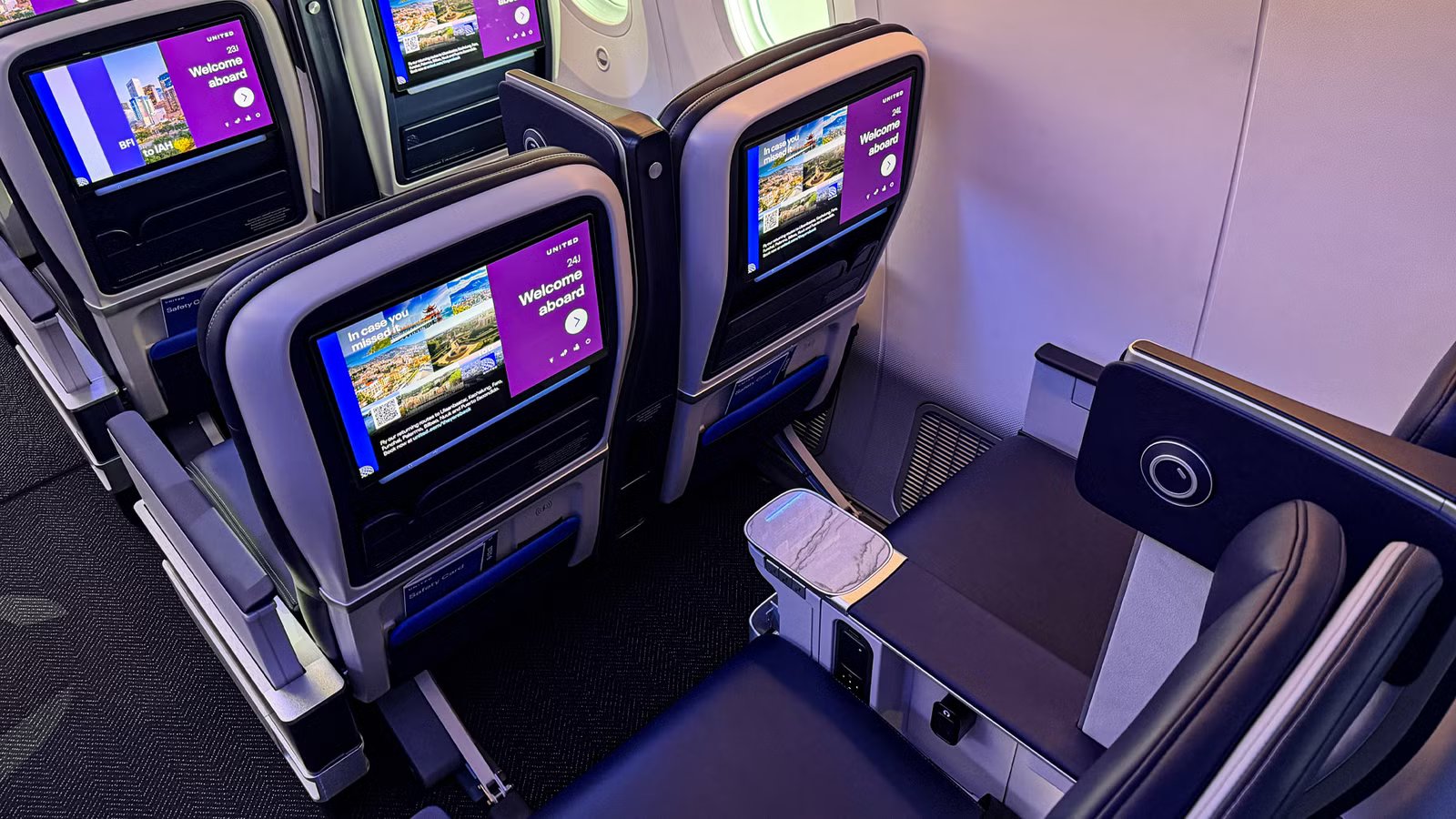
 United Airlines Premium Plus is far from stable when it comes to pricing. Travelers booking transoceanic journeys often see round-trip fares fluctuate dramatically, ranging from roughly $1,200 on the low end to over $4,000 for the exact same space. This guide untangles the structural updates behind this dynamic landscape, explaining how a single cabin is now marketed as three separate ticket products.
The three-times-plus price spread on Premium Plus is not random dynamic pricing volatility by any means; it is the visible surface of United quietly turning one seat into three different products with three different perk structures. A premium economy ticket once guaranteed an all-inclusive bundle of airport and onboard privileges, including advanced seat choices and generous baggage limits, but now this is no longer the case.
Three New Tiers

United Airlines has altered its long-haul revenue strategy by formally dividing its premium economy inventory into three standalone fare tiers. Known as base, standard, and flexible, these options allow the carrier to target vastly different consumer budgets without changing the layout of the aircraft. With this, United moves away from marketing programs of days gone by, where premium seats functioned as a single, uniform product class. Instead, the tier system makes international flyers choose between upfront cost savings and traditional travel conveniences before processing their reservation.
Why this exists in the first place is because it allows the airline to extract maximum capital from travelers who prioritize seating space over ancillary flexibility. A passenger buying the introductory tier sits in the exact same leather seat with up to 38 inches (96.5 cm) of pitch as someone paying thousands more for a flexible corporate ticket. However, the background software assigns entirely different values to these tickets based on the selected tier. Isolating the seat from its historical perks, United can capture budget-conscious fliers who do not mind losing some benefits and flight upgrade eligibility for a lower entry price.
This corporate unbundling model addresses a notable post-pandemic macroeconomic reality on premium international corridors. As business travel volumes fluctuate, the broad demand for extra legroom and quiet cabins among leisure passengers remains at historic highs. Splitting the inventory gives the airline an efficient mechanism to compete with low-cost international competitors on base pricing while preserving standard inventory for corporate accounts.
Same Seat But Few Additional Perks

Selecting the newly introduced base tier means sacrificing several historical guarantees that long-haul passengers traditionally associated with a premium economy cabin. Even with the space on board remaining entirely unchanged, the restriction layer applied to the ticket code totally alters the airport and pre-flight experience. Budget-focused fliers will need to keep track of a strict list of limitations that closely resembles the basic economy rules found in the main cabin.
Catch what other flight trackers miss
Emergency squawks, holds, NOTAMs — live signals, no signup.
Open tracker
Catch what other flight trackers miss
Emergency squawks, holds, NOTAMs — live signals, no signup.
Open tracker
The most significant change for passengers buying these introductory tickets is the complete removal of complimentary advanced seat assignments. Travelers who refuse to pay an additional fee ranging from $54 to $109 per segment will have their seats randomly allocated during the check-in window, exposing them to the distinct possibility of landing a middle seat in a premium row. Furthermore, the standard allowance for checked luggage is cut in half, reducing the benefit from two complimentary bags to a single checked item weighing up to 50 pounds (22.7 kg).
Besides the immediate luggage and seating restrictions, these entry-level tickets are completely non-refundable and prohibit any voluntary flight modifications. Crucially, travelers holding these tickets are entirely barred from upgrading to the United Polaris business class cabin using miles or PlusPoints, capping their journey at the premium economy curtain. On the whole, this is a clear and deliberate barrier designed to protect the standard fare class, introducing a premium for operational flexibility.
When Did United Airlines Introduce Premium Plus?
With plenty already on offer, United Airlines decided to add a product with the aim of reinventing the perception of value.
Adjusting In The Backend

Traditionally, United managed its premium economy cabin using three primary alphabetic fare classes, labeled as O, A, and R. The introduction of the base tier does not replace these classic identifiers, but instead introduces an algorithmic modifier that changes the underlying ticket rules.
To implement this segmentation without overcomplicating the global distribution systems used by travel agencies, the airline uses a specialized seventh-character identifier within the fare basis code. When a ticket is issued under the entry-level tier, the system appends the letter B to the end of the fare string, signaling to the gate agents and reservation software that the ticket carries severe restrictions. It gives the carrier the ability to dynamically adjust prices across the cabin while also stripping award mileage generation for general frequent flyer accounts.
A single row of premium economy seats can easily be split across multiple price thresholds simultaneously based on historical booking velocities and real-time route demand. For instance, an extreme flight corridor like Newark to Athens can scale up to $4,800 for a flexible ticket while a base fare sits thousands of dollars lower on the same flight tracking grid.
Banking On The Premium Economy Boom

The decision to introduce unbundled tiers into the premium economy cabin links directly to a broader macroeconomic push by global network carriers to maximize their overall profit margins. As fuel prices and labor costs continue to rise across the aviation sector, executives are constantly searching for new ways to capture extra consumer spending without increasing operational expenses. Premium economy seating has emerged as the most profitable section of the aircraft on a per-square-foot basis, making it the primary target for advanced merchandising strategies.
For United, this monetization strategy has worked wonders, proving that passengers are highly resilient to structural unbundling when seeking extra onboard comfort. The airline reported a 6% year-over-year increase in premium cabin revenue during its Q3 2025 financial earnings presentation, driven largely by the high load factors in its upscale cabins. Now offering a lower entry price through the base tier, the airline can successfully fill every seat during off-peak periods while counting on standard and flexible buy-ups to drive profitability during peak travel windows.
United’s financial success is prompting other major international airlines to rapidly deploy similar segmented models across their long-haul networks, mirroring patterns already established by large European and Middle Eastern operators. This trend will more than likely expand further into domestic networks, permanently changing the legacy definition of an all-inclusive luxury ticket. Unfortunately, for the average traveler, airfare shopping is now much more complex, as the lowest advertised price no longer guarantees a seamless airport journey.
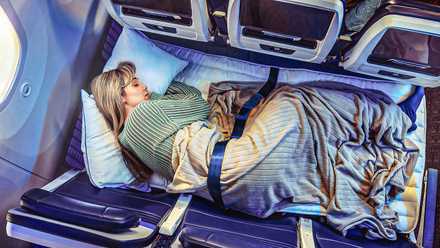
What United Airlines’ Relax Row Economy Beds Actually Cost Vs Premium Economy On Long-Haul Flights
The sky bed offers economy passengers a cheaper sleep-focused alternative to Premium Plus on long-haul international flights.
Just A Glorified Economy Class?

Many travelers find themselves staring at the booking screen, wondering whether saving a few hundred dollars on a base Premium Plus ticket makes practical sense or if they should stick to a standard fare. The choice becomes particularly stark when comparing a base premium economy ticket against a standard economy ticket bundled with an Economy Plus extra-legroom seat assignment. For corporate travelers with rigid itineraries or leisure passengers flying with multiple bags, this initial price difference can quickly dissolve into unexpected out-of-pocket costs, such as paying to check an extra bag at the airport terminal.
To determine the true value of the unbundled premium economy ticket, passengers need to look past the seat dimensions and audit their actual travel habits. The base ticket includes the identical recliner, but the structural restrictions mimic basic economy rules by removing complimentary seat selection and zeroing out change flexibility. If a flyer requires specific seating to avoid a middle placement, or if their calendar contains any degree of uncertainty, the mandatory fees to adjust dates or buy a specific seat assignment will instantly wipe out the up-front discount.
Under the current framework, elite status benefits do not override the block against upgrading a base Premium Plus ticket into a Polaris business class flat bed. Elite flyers who rely on United PlusPoints or miles to move up a cabin must purchase at least a standard ticket, changing what used to be a seamless digital upgrade strategy into a complex calculation of baseline fare restrictions.
Time To Do Some Research

Legacy airlines are beginning to successfully train consumers to accept unbundled tickets at the front of the aircraft, and the line between product quality and ticket flexibility is starting to blur. The revenue generation engine is now moving from the cabin layout to software-driven inventory management, allowing carriers to extract a margin premium from corporate contract accounts while offering defensive pricing options to counter boutique low-cost competitors.
A simple cost-per-ticket evaluation is no longer enough to consider, and now a total cost of journey assessment has become the ideal way to plan for booking a United ticket. What is truly worth spending is dependent on luggage needs, elite status upgrade opportunities, and schedule certainty before selecting the lowest displayed corporate rate. The onboard amenities remain completely identical across all three ticket tiers, so the decision ultimately rests on how much value a passenger assigns to absolute flexibility and predictability during their trip.
At the very least, joint venture partners will eventually standardize these restrictive fare categories to ensure seamless cross-border ticketing and uniform baggage tracking across multi-leg international journeys, though this is more likely to be a trend that makes its way across the world. Until that technical integration is complete, every step of the booking process will need to be dealt with a good amount of attention.