dailynewsnblog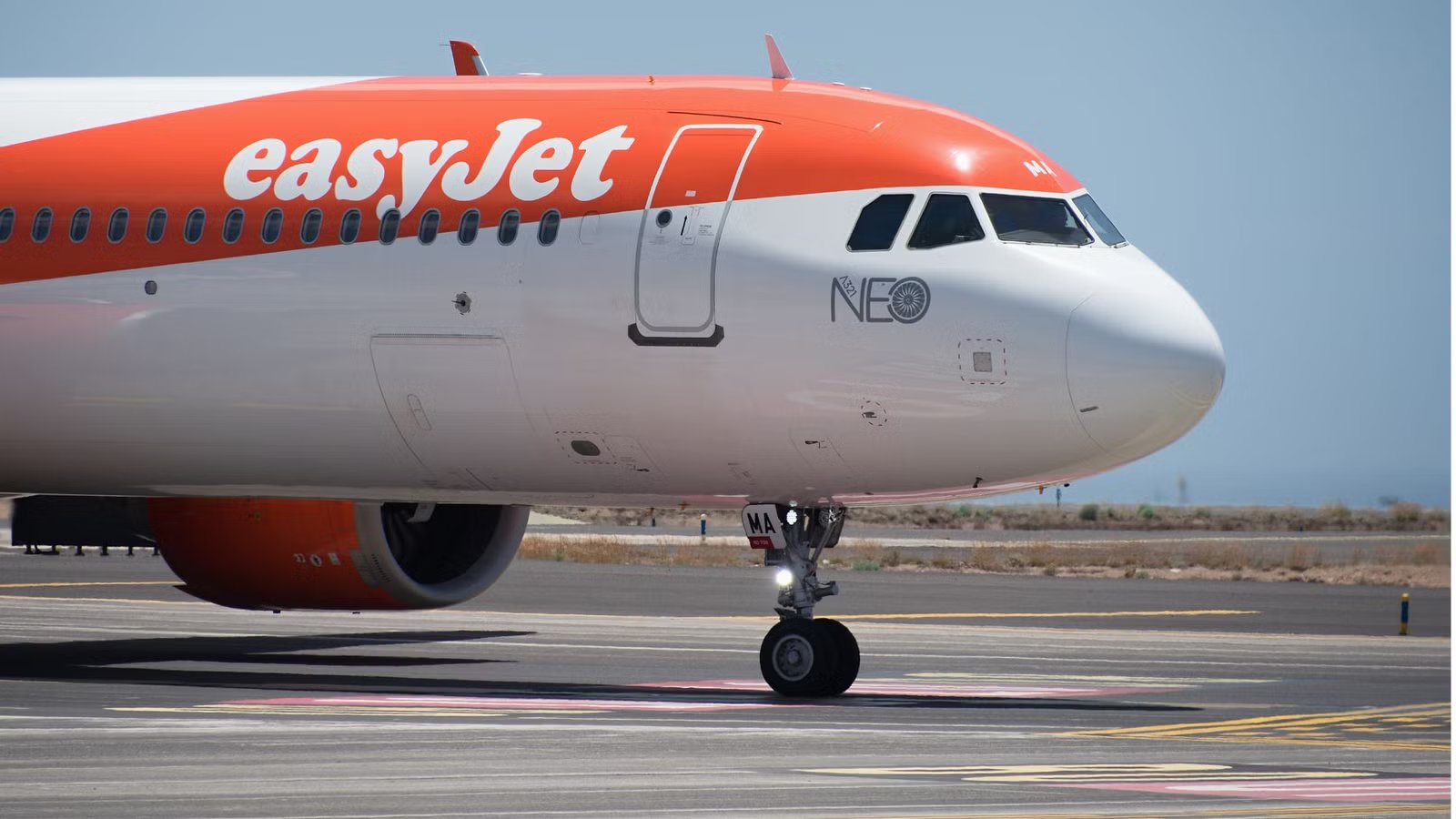
EasyJet has reopened discussions with US investment firm Castlelake despite previously rejecting a £4.9 billion ($6.4 billion) takeover proposal, a development that has shifted the narrative from a failed bid to a potentially evolving acquisition process. As reported by The Guardian, the airline’s board argued that the offer materially undervalued the company, yet its willingness to grant limited access to commercial information suggests that negotiations remain active rather than closed.
The timing of Castlelake’s interest is important. EasyJet’s share price had been under pressure from higher fuel costs and wider geopolitical concerns affecting airline sentiment, creating an opportunity for buyers seeking undervalued assets. However, many shareholders believe the airline’s long-term earnings potential and asset base support a substantially higher valuation. Global Banking and Finance reported that indications show that a credible offer may need to approach £5.3 billion ($7 billion), equivalent to roughly £7 ($9.24) per share.
easyJet’s Financial Position And Why Investors See Untapped Value

The takeover interest arrives during a mixed but improving financial period for easyJet. For the financial year ending September 2025, the airline reported headline pre-tax profits of £665 million ($878 million), representing a 9% year-on-year increase. Growth was supported not only by the core airline business but also by expanding performance from easyJet Holidays, the operator’s package holiday branch, which has become an increasingly important contributor to earnings.
While the first half of fiscal year 2026 produced a seasonal loss before tax of approximately £540–560 million ($710–740million), this is not unusual in aviation, where earnings are heavily weighted towards summer travel demand. Revenue for the six months to March 2026 rose to nearly £4 billion ($5.28 billion), while passenger load factors reached approximately 90%, suggesting aircraft continued to operate close to full capacity. Like many airlines worldwide, easyJet saw its margins reduced due to fuel prices rising after the 2026 Iran Crisis.
EasyJet also possesses substantial balance-sheet strength that may explain shareholder resistance to current bids. The airline reported £4.7 billion ($6.2 billion) in liquidity, £434 million ($572 million) in net cash, and approximately £5 billion ($6.6 billion) in owned asset value. Those assets include aircraft and highly valuable airport slots at major European airports, which often become strategic assets in takeover situations because they are difficult to replicate.
Simple Flying has contacted easyJet for a comment, but a representative was not immediately available.
Who Castlelake Is And Why Aviation Fits Its Strategy

Castlelake is not a traditional airline operator or strategic aviation company. Founded in 2005, the US-based investment firm specializes in asset-backed and cash-flow-based investments, with significant exposure to aviation financing. The firm currently manages roughly $38 billion in assets across investment strategies focused on real assets and specialty finance.
The company’s aviation expertise is more extensive than that of a typical private equity buyer. Castlelake has invested billions of dollars into aircraft financing, leasing structures, and aviation-related credit markets. It has invested more than $22 billion of equity into aviation financing and has repeatedly raised debt and capital vehicles tied specifically to aircraft assets.
That background helps explain why easyJet is attractive. Beyond ticket revenue, airlines hold large pools of physical and strategic assets: aircraft fleets, airport slots, maintenance operations, and travel subsidiaries. Asset-focused investors often see value opportunities that public markets may not fully price during periods of market volatility.

easyJet Slams £4.7B Takeover Bid As Attempt To Buy It ‘On The Cheap’
Castlelake’s latest offer was its third attempt to acquire the airline.
What Happens Next And Why The Outcome Matters

The negotiations remain complicated by regulation. European rules require EU airlines to remain majority EU-owned and controlled, meaning Castlelake cannot simply acquire easyJet through a conventional US-controlled structure. To address this, the proposal reportedly involves aviation executives and EU ownership arrangements designed to satisfy regulatory requirements.
The market response suggests investors see room for movement. EasyJet shares climbed sharply after the bid became public and had risen roughly 50% over one month as speculation intensified. Yet the stock still traded below some analysts’ estimates of intrinsic value, indicating investors remain uncertain that a deal will conclude at current levels.
More broadly, the negotiations may indicate a changing environment in aviation investment. Airlines, once viewed primarily as cyclical travel businesses, are increasingly being evaluated as portfolios of assets, infrastructure, and recurring revenue streams. Whether or not Castlelake succeeds, easyJet’s situation could become a case study in how investment firms assess value in the post-pandemic aviation industry.