dailynewsnblog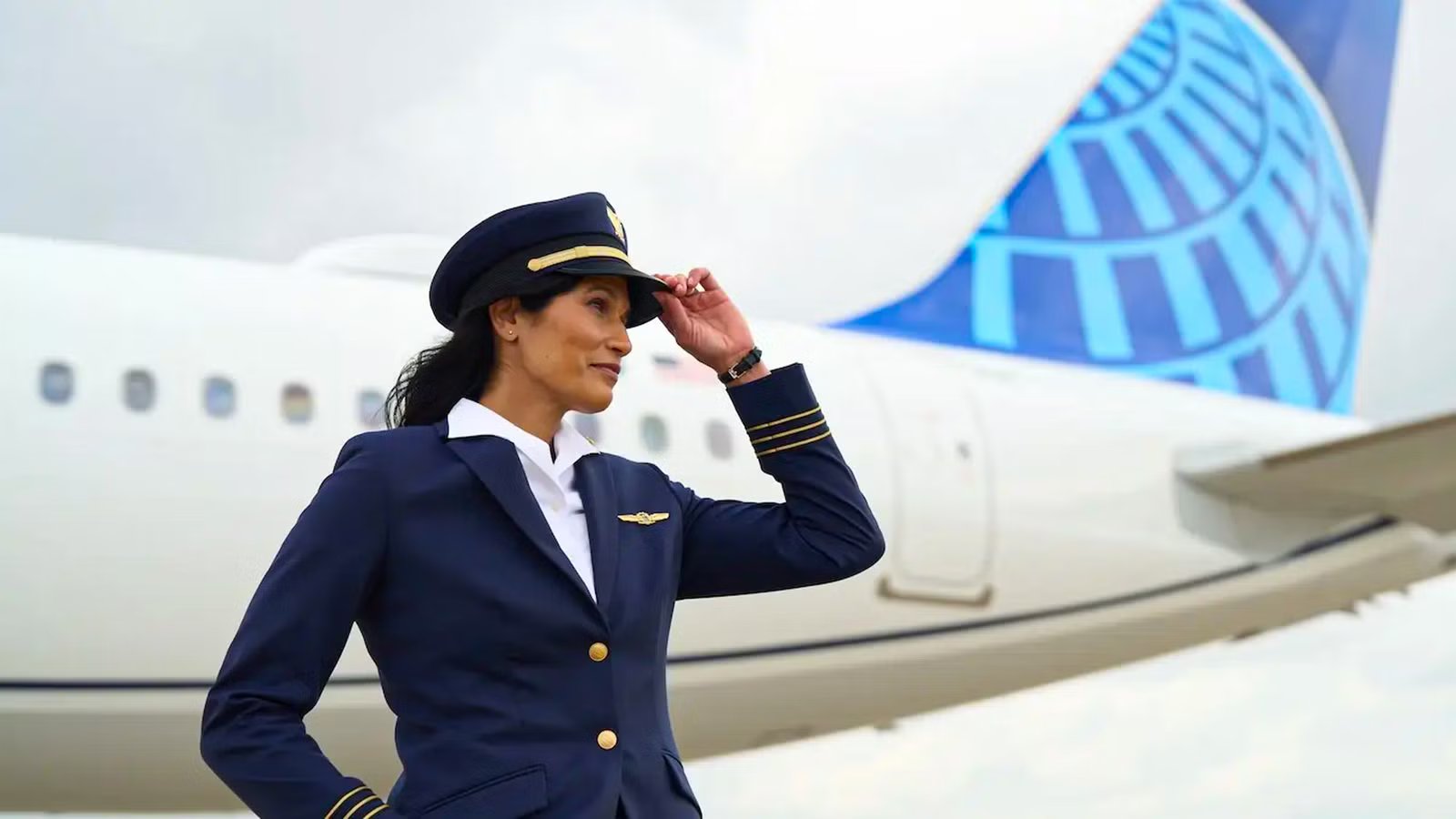
 United Airlines recently hosted a special event at Washington Dulles International Airport, where it unveiled a Boeing 737-800 and a 787-10 painted in a new ‘Stars and Stripes’ livery. This was really celebrating two milestones. Indeed, United was paying homage to the United States’ 250th anniversary this upcoming Fourth of July, as well as marking having hired nearly 600 ex-military pilots since it launched a pipeline program in 2024.
In a sense, the pilot hiring milestone is the most important, as United has been rapidly growing since the pandemic and now maintains the world’s largest pilot workforce. It’s looking to continue its rapid growth, which means it will need to add more and more pilots. While the military pipeline isn’t United’s largest source of pilots, it remains critical in ensuring that United can meet its growth plans, while the pathway is quite lucrative for aviators looking to transition from military to civilian flying.
United’s Pilot Growth Ambitions

United has been rapidly growing its mainline fleet, having gone from under 800 planes in 2019 to over 1,100 aircraft today. While it has been adding widebody Boeing 787s, the real growth is coming from new narrowbody Airbus A321neo and Boeing 737 MAX aircraft. This is the cornerstone of the ‘United Next’ strategy, aimed at boosting United’s competitiveness in the US domestic market, and United has gone from being the third-largest airline in the US to the largest.
To support this growth, United Airlines has hired well over 7,000 pilots since the pandemic, and it now employs over 18,000 pilots. As a point of reference, American Airlines employs over 15,000 pilots, while Delta Air Lines employs around 17,500 pilots. In total, over 4,500 of United’s flight crew members are veterans, and United has hired nearly 600 ex-military pilots ever since it launched the United Military Pilot Program in 2024. In addition, the airline plans to hire 500 more pilots by the end of 2027.
In addition to the military pipeline, the carrier also operates the United Aviate program. This is the civilian program meant to encourage aspiring aviators to pursue a career as a pilot. Because the pilot shortage is generally not as severe today, and United has already grown significantly over the past few years, the program is more about keeping United’s regional partners staffed rather than getting new pilots hired at United. However, the situation is slightly different for military pilots.
The United Military Pilot Program

The United Military Pilot Program is a direct pathway for military aviators to get hired at United, and not to a regional partner. It offers active duty and active duty reserve pilots a conditional job offer if they are more than 12 months away from their separation. During this period, the airline assigns applicants a current United pilot as a ‘buddy’ to help ease the transition to civilian flying. It provides all necessary training for new crew members to become certified for commercial flying.
It’s standard for US airlines to provide ATP training to all of their applicants upon their class date, including for ex-military hires. In addition, military pilots are typically experienced enough that they can qualify for a job at one of the three major US airlines (American, Delta, United) upon separation, but the associated job offer gives a pilot stability with their future career path. This is especially valuable when considering that the career of an airline pilot has traditionally been rather unstable.
United Airlines Years Hiring Pilots (Not Including Returning Furloughed Pilots) | Long-Term Hiring Pauses |
|---|---|
2021-Present | |
2013-2020 | 2020-2021 |
2007-2008 | 2008-2013 |
1984-2001 | 2001-2007 |
For United, meanwhile, the carrier is essentially reserving military pilots well before their scheduled separation.  Delta Air Lines and
  American Airlines also operate similar military recruitment programs, but they’re not as aggressive as United’s: Delta’s program accepts applicants who are up to two years away from separation. The Chicago-based carrier is actively looking to snatch up as many military aviators as possible, while still aggressively hiring candidates from its own Aviate program.
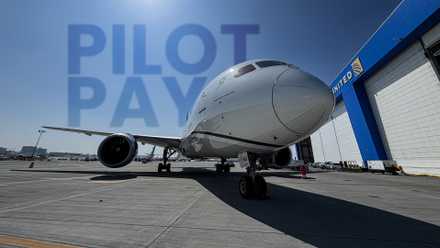
United Airlines’ Boeing 787 Captains Can Clear Nearly $600,000 A Year: Here’s The Full Picture
This is how United’s Boeing 787 captains can earn nearly $600,000 annually
Transitioning From Military Aviation To Commercial Aviation

Flying for the military requires a commitment of ten to 12 years, depending on the branch, and it can also be an extremely demanding role. What’s more, there’s no guarantee of being selected as a pilot by the US Navy or USAF, as aviator slots are highly competitive. One of the major benefits of serving for the US Armed Forces, however, is that flight training is fully paid for, and in addition, the commitment provides guaranteed stability during this period, whereas the career is notoriously unstable in the civilian world.
For airlines, former Navy or Air Force pilots are usually extremely disciplined and have already spent a decade building valuable flying skills. Those who previously flew cargo or tanker planes have experience in operating large, complex aircraft similar in size to an airliner, and in some cases have flown military derivatives of commercial aircraft. What’s more, these pilots have experience working as part of a crew, which is instrumental to maintaining safety in the flight deck.
Of course, not all skills that a military aviator learns are fully transferable, and this is particularly true for former fighter pilots. Flying a fighter is nothing like handling an Airbus, and some fighter jets also have a single pilot. Still, former military flight crew members are among the most experienced that airlines typically hire, which reduces the risk of them failing training. Given how expensive pilot training is for airlines, they’re heavily invested in ensuring that new-hires finish training quickly and safely.
United’s Help In The Transition

As previously mentioned, there is a learning curve in transitioning from military flying to civilian operations. Military crew members are trained to an extremely high standard, with a strong emphasis on stick-and-rudder skills. Regardless of whether a pilot is flying a fighter or transport aircraft, they’re often experienced in handling the aircraft in a variety of attitudes, and are expected to be extremely knowledgeable of their aircraft. Civilian flying, in comparison, is all about following regulations and procedures.
The focus on operating procedures and FAA regulations can be a challenging learning curve for some, and United’s pilot ‘buddy’ can be extraordinarily helpful in this regard. The purpose of the pilot buddy is to help ease the transition from military to civilian flying, mainly by helping aviators navigate through FAA civilian regulations as well as through initial training expectations. This helps to prepare future crew members and ensure that they’re ready for their transition once they begin training with United.
Often, the experienced pilot buddy may even have former military time, allowing them to mentor military pilots with personal experience on their side. In other words, United gives its former military pilots tools to help ensure that they succeed upon finishing their commitment to the US armed forces, and this makes United’s military pilot pathway extremely lucrative.

The Pilot Shortage In 2026: Is It Still Real, And What Is Actually Being Done About It?
The relatively low mandatory retirement age for pilots means that thousands leave the role every year, and airlines are in a race to replace them.
Addressing The Pilot Shortage

It’s long been stated that there’s a shortage of pilots in the United States. In truth, the civilian route can cost aspiring aviators over $100,000 for training, and newly-certified commercial pilots then have to spend at least a year, but typically two to three years, working small-time jobs to earn the 1,500 hours required to be certified as an airline pilot. These jobs can be difficult and are low-paying. As such, it’s financially difficult to become an airline pilot in the US, more so than in other countries.
There’s no shortage of pilots who would want to work for American, Delta, or United, but there is a shortage of new pilots in the pipeline. What’s more, these carriers want prior experience working at a regional airline, which traditionally pays low salaries, while the major airlines each have growth plans and are experiencing large numbers of yearly pilot retirements. Therefore, focus has been put on making the early part of the career more desirable, since this is what stops most people from pursuing their dreams.
Civilian Path To Airline Flying | Time |
|---|---|
Flight training (PPL->IR->CPL->MER) | One to two years |
Time building (250 hours to 1,500 hours) | One to two years |
Regional airline | At least two to five years, time as a captain is typically desired |
All three carriers have partnered with flight schools and have created cadet programs to streamline the flight training process. American and Delta perform interviews early on that may result in a conditional job offer at a regional partner, while regional salaries have dramatically increased. All three are also pursuing military pilots, while salaries at the major US carriers have risen due to the uniquely strong position that the pilot unions currently hold.
The career of a US airline pilot has traditionally been described as a game of ‘musical chairs’, with airlines hiring right until they furlough and salaries dropping as quickly as they rise. It’s difficult to predict how long the music will last, but what’s clear is that the job is more desirable than it has been in decades, and as the cadet program marketing states, there’s never been a better time to become an airline pilot.
Catch what other trackers miss
Emergency squawks, holds, NOTAMs — live signals, no signup.
Open tracker
Catch what other trackers miss
Emergency squawks, holds, NOTAMs — live signals, no signup.
Open tracker