dailynewsnblog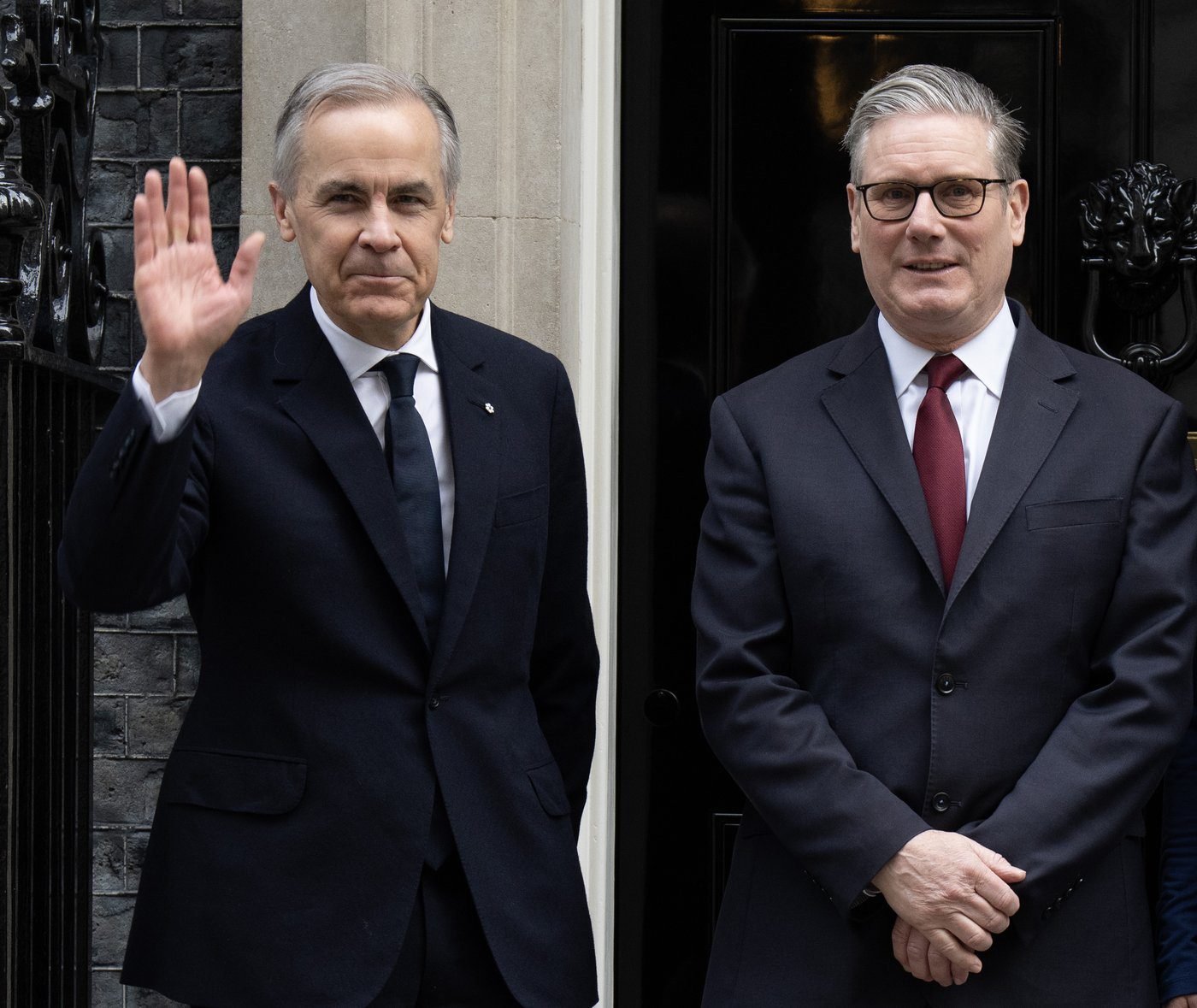
After weeks of speculation, Keir Starmer’s wobbly tenure as Prime Minister of the United Kingdom has reached the end of the road.
Starmer announced his intention to resign as PM and Labour Party leader on June 22. It was an unusually emotional speech at 10 Downing Street – and he was close to tears at certain points. The reality of the situation has clearly hit close to the bone.
A timetable has been set by Labour’s national executive committee to choose his replacement. Nominations will open on July 9, and close on July 16. If there’s only one candidate, then Starmer’s departure will be rather swift. And if a proper election contest with several candidates emerges, then a new leader will be in place before Parliament reconvenes in September.
Either way, Starmer is on his way out.
It’s a far cry from when his Labour Party won 411 out of 650 seats in the July 4, 2024 general election. A 174-seat majority was an impressive result. Most political observers acknowledged that this massive victory had little to do with his campaign or leadership style, and far more to do with UK voters wanting political change after 14 years of Tory rule.
Labour’s political manifesto, Change, suggested the party would be “pro-business and pro-worker” during the campaign. Several left-leaning ideas were touted, including: developing a “publicly owned clean power company,” Great British Energy; initiating a “Green Prosperity Plan” and “Clean Power Alliance” for the environment; taxing private schools and siphoning this money into state education; strengthening workers’ rights; announcing new reforms to British railways by “bringing them into public ownership” going forward; lowering the voting age to 16 – and more. With the exception of two centre-left Labour PMs, Tony Blair and, to a lesser extent, Gordon Brown, bridging business and worker interests has never been a comfortable balancing act for this party. And it showed.
Political controversies were also a significant problem for the Labour government.
Starmer failed to declare a gift of several thousand pounds of clothes to his wife, Victoria, by a major party donor. Time Magazine noted that Labour, through Starmer and Chancellor of the Exchequer Rachel Reeves, “floated, then abandoned, an election manifesto-busting income tax rise to plug a £30 billion fiscal black hole.” Reuters, through Sky News figures, revealed the PM “declared more than 100,000 pounds ($132,500) in gifts, benefits and hospitality since December 2019, more than any other member of parliament.” Tulip Siddiq, who served in Starmer’s cabinet as Economic Secretary to the Treasury and City Minister, resigned in July 2025 after allegations of misconduct and connections to deposed Bangladeshi Prime Minister Sheikh Hasina. This was followed by the resignation of Parliamentary Under-Secretary of State for Homelessness and Democracy Rushanara Ali in August 2025 after allegations that she had evicted tenants from a property she owned – and raised the rent when she couldn’t sell it.
Starmer also struggled on the international scene. He was widely criticized for playing both sides of the Gaza war. His European Union “reset” to rebuild relations was a complete failure. He extended political and economic relations with China at the expense of ignoring human rights abuses, struggled to maintain good ties with U.S. President Donald Trump – and blew hot and cold when it came to the war in Iran.
The biggest controversy involved Peter Mandelson, a longtime Labour politician, cabinet minister and former member of the House of Lords. He served as British Ambassador to the United States from February to September 2025. He also had known ties to Jeffrey Epstein, the U.S. financier and convicted child sex offender accused of sex trafficking of minors before being found dead in his cell in 2019. This connection became subject to a bigger scandal when the Epstein files revealed personal correspondence that showed their friendship continued well after the 2008 conviction. There were also allegations of payments made to Mandelson and his husband, which led to a police investigation.
Who appointed Mandelson to this role? You guessed it: Starmer.
These mistakes (and others) left Starmer in a position of being a lame duck leader after less than two years on the job. The Labour supermajority declined in by-elections. Labour cabinet ministers and MPs either resigned or announced they weren’t running again. Labour’s far-left and centre-left supporters were equally fed up with him. Right-of-centre voters, be they Reform UK or Tory backers, licked their chops in anticipation. Voters elected Reform UK and Green Party MPs at the expense of certain Labour seats and constituencies.
This opened the door for Andy Burnham, a recently-elected Labour MP who had previously sat from 2001-2017, former mayor of Greater Manchester (2017-2026) and widely regarded as Starmer’s main challenger. A socialist and soft left ideologue, he’s dabbled with New Labour and is a former “Blairite.” He’s also called himself a supporter of Manchesterism. He’s described this ideology as the “end of neo-liberalism,” “business-friendly socialism” and “a modern and functional response to the high-inequality, low-growth trap that came from the 1980s drive to privatise economic power and overcentralise political power in the Treasury.”
Brunham fits in perfectly with the party’s core membership. He’s confirmed that he will run to replace Starmer as Labour leader. Many prominent Labour politicians are enthused about his candidacy. He’s received the endorsement of Wes Streeting, the former Health Secretary who was seen as a top leadership choice. Some political observers are even beginning to speculate that Burnham could be coronated in a few weeks’ time.
As the UK prepares for its seventh prime minister in roughly ten years, which is one of the worst periods of political instability in this great country’s history, many questions remain unanswered. One of them is whether the switch from Starmer to (most likely) Burnham will make much of a difference. Based on recent political history, it seems highly unlikely.
Political commentator Michael Taube was a speechwriter for former Prime Minister Stephen Harper.
The views, opinions and positions expressed by columnists and contributors are the author’s alone. They do not inherently or expressly reflect the views, opinions and/or positions of our publication.