dailynewsnblog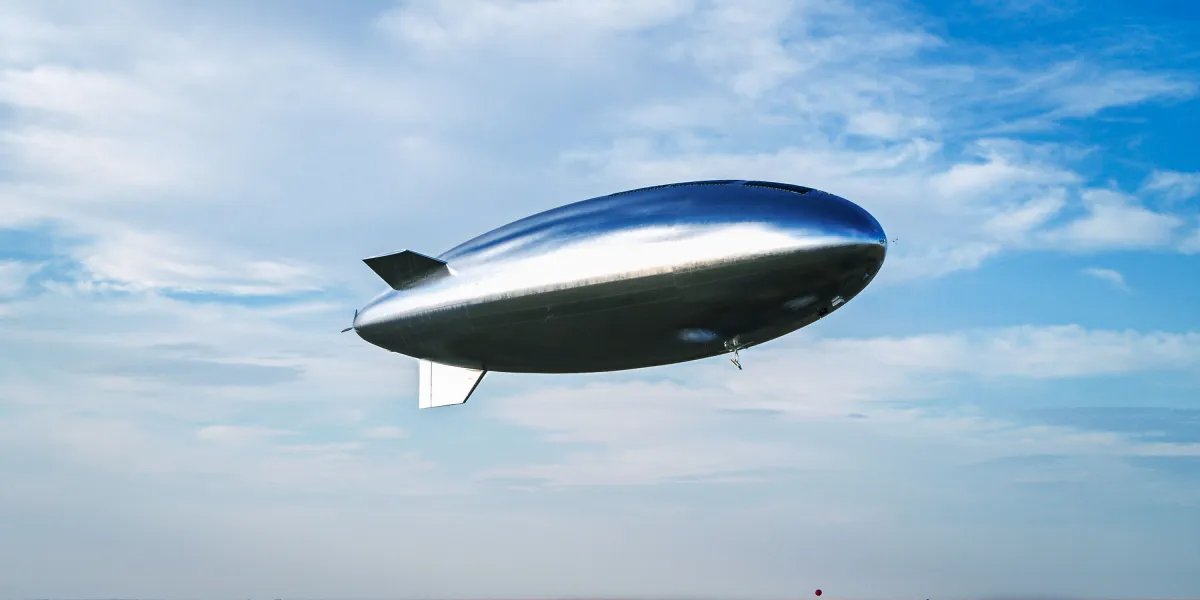
But it’s also not so easy to stay there. Sceye’s aircraft, Frandsen says, has to be light enough to stay aloft but also strong enough to carry the necessary systems. It must soak up and store enough solar energy during the day to provide around-the-clock power to an electric fan that can maneuver the HAPS back into place when winds knock it out of position—mettle it proved in a 2024 test flight.
Since then, Sceye has been preparing for its big Japan test. In the flight pictured here from this spring, for example, the craft stayed aloft for 12 days as it flew to the coast of Brazil and spent more than 88 hours “parked” in various locations. Eventually, the company expects its platform could help satellite operators better serve densely populated areas.
Someday, Frandsen says, spotting a HAPS may be as common as seeing ships at port or trains on the tracks.