dailynewsnblog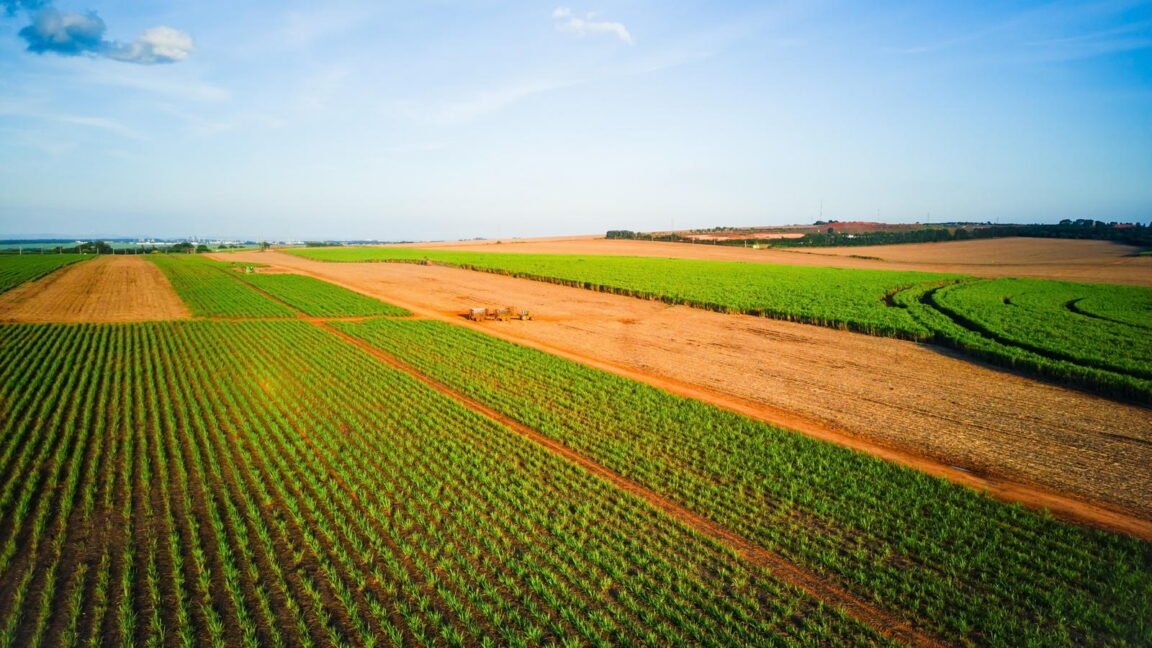
The result is that no one outside of the dominant companies, not even the US government, knows which economically crucial crops, most of which are grown from patented seeds, might be vulnerable to emerging pests and pathogens. For years, plant breeders have been calling for genetic assessments of these seeds and the crops they grow; to date, no such studies have been conducted.
A shift in direction
But the May 2026 Justice Department court filing saying seed patents are blocking agricultural competition and research indicates the tide may be turning.
In 2023, multinational agrochemical company Corteva sued a genetic engineering startup, Inari, for infringing its patents by, among other things, obtaining samples of Corteva’s patented seeds from a public repository and analyzing their genetic makeup.
Though the Justice Department didn’t weigh in favor of either company, its court filing said companies should not be able to restrict the public from sequencing genetic material that was deposited as part of the process of securing patent protection.
Notably, the department’s court filing came from the Antitrust Division rather than the Civil Division, which usually handles intellectual property issues. That difference suggests that the government sees this extension of patent rights as an illegitimate way for a company to exclude other companies from competing.
The case is still winding its way through the legal process. But if the judge agrees, his decision could be consequential. For starters, competitors could begin to understand the strengths and weaknesses in seed varieties on the market and find ways to build on that innovation, which is precisely the type of activity the patent system was designed to encourage.
More competition in the market could provide an important check on seed prices, reducing the burden on American farmers and, thereby, taxpayers. Finally, researchers could conduct the studies that are needed to begin rebuilding the kind of genetic knowledge that was, for most of human history, held in common—an insurance policy in the best interest of us all.
Julie Dawson is Professor of Plant and Agroecosystem Sciences at the University of Wisconsin-Madison; Kiki Hubbard is a Researcher at the Nelson Institute for Environmental Studies, University of Wisconsin-Madison; and Paulina Jenney is Research Coordinator, Urban and Regional Food System Program, University of Wisconsin-Madison
This article is republished from The Conversation under a Creative Commons license. Read the original article.