dailynewsnblog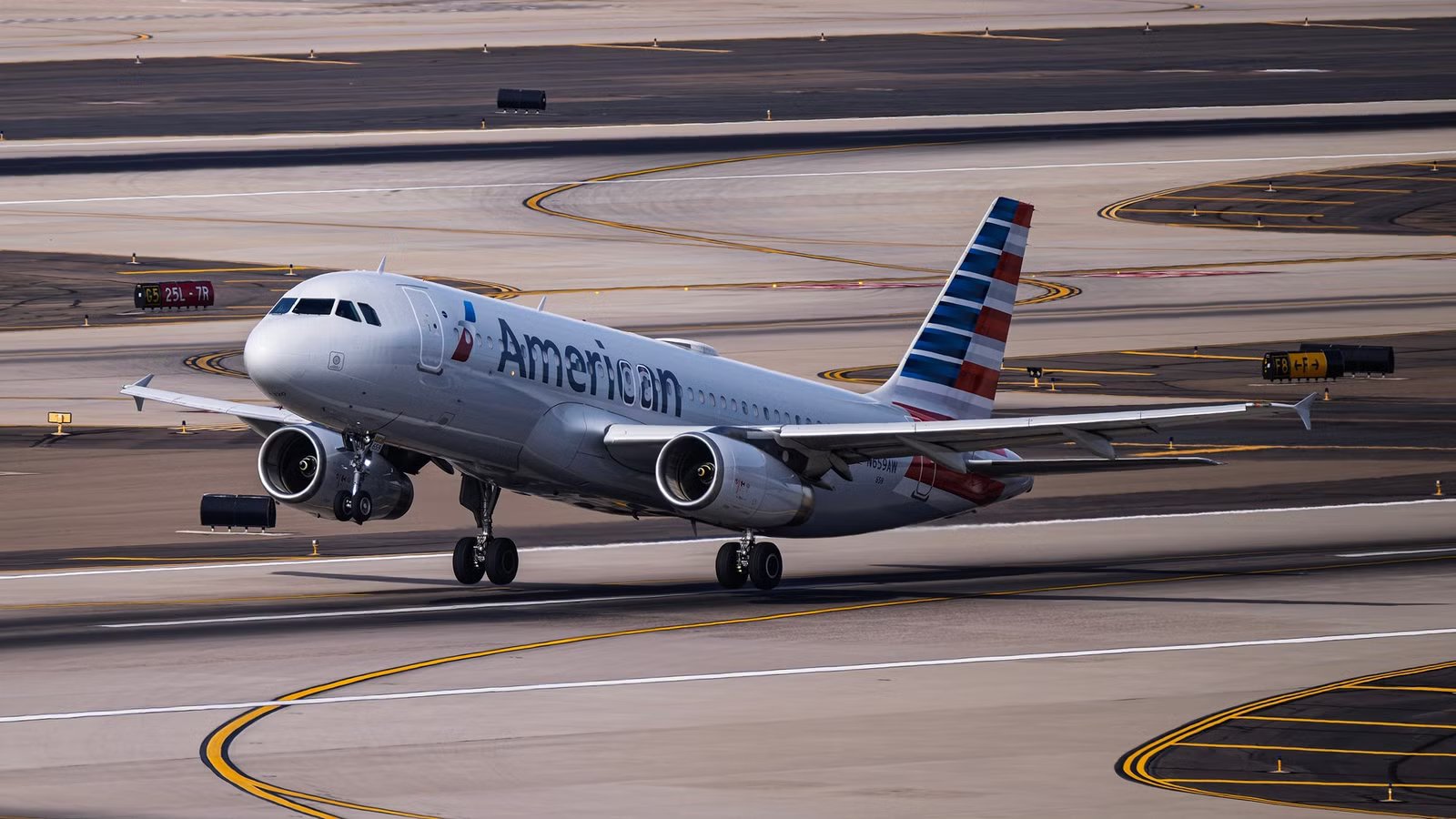
 American Airlines is clarifying reports surrounding a disruptive onboard incident that unfolded shortly before one of its regional flights landed in Philadelphia. Initial air traffic control recordings suggested that a passenger had bitten another traveler and attempted to fight people onboard, prompting the flight crew to request police assistance upon arrival. However, the airline later stated that the passenger was suffering from a medical emergency that caused involuntary aggressive behavior.
The incident occurred on American Airlines Flight 3046, on board an Airbus A320 operating a scheduled service from  Charlotte Douglas International Airport (CLT) to
  Philadelphia International Airport (PHL). While the event initially appeared to be one of numerous instances of unruly passenger behavior, the airline has emphasized that the circumstances were medical and should not be viewed as deliberate misconduct.
Medical Emergency Prompted Aggressive Behavior On Final Approach

According to air traffic control communications obtained by CBS News, the pilot contacted controllers shortly before landing to request that law enforcement and medical personnel meet the aircraft. During the transmission, the crew reported that a passenger had become aggressive and had bitten another passenger while the aircraft was descending into Philadelphia.
The pilot told controllers that the individual appeared to be experiencing a serious episode and was “trying to fight everybody” onboard. Based on the information available at the time, the crew treated the situation as a potential safety threat and requested medical support after landing.
An American Airlines spokesperson later clarified the situation. The airline said the customer experienced a medical emergency that led to involuntary aggressive behavior and required immediate medical attention upon arrival. According to reports, the symptoms may have been consistent with a neurological event such as a stroke.
An American Airlines spokesperson told Simple Flying,
“The customer experienced a medical emergency resulting in involuntary aggressive behavior.”
Flight 3046 Landed Safely In Philadelphia

Flight 3046 was operating a short regional route between Charlotte and Philadelphia when the incident occurred. Despite the disturbance, the crew continued the flight and landed safely at Philadelphia International Airport. Emergency responders and law enforcement personnel were positioned to meet the aircraft upon arrival.
The crew’s response highlights the challenge of managing situations in which medical emergencies manifest as disruptive or aggressive behavior. Flight attendants and pilots must rapidly assess whether an individual poses a security risk, requires medical treatment, or both. In many cases, the distinction may not become clear until after healthcare professionals evaluate the passenger on the ground.
Aviation experts note that neurological conditions, severe hypoglycemia, seizures, medication reactions, and certain mental health crises can produce confusion, agitation, and unexpected aggression. From a flight crew’s perspective, however, any passenger who becomes physically violent must be managed immediately to protect the safety of everyone onboard.
Flight Attendant Attack & Cockpit Breach Attempt: Newark United Airlines Passenger Detained
The crew declared an emergency as a result of the incident.
Medical Emergencies And Unruly Passenger Incidents Are Not The Same

The distinction between a genuine medical emergency and an unruly passenger incident is important. Unruly passenger cases typically involve deliberate non-compliance with crew instructions, threats, assaults, intoxication, or disruptive conduct that violates federal regulations. Medical emergencies, by contrast, often involve passengers whose behavior is driven by an underlying health condition rather than intentional actions.
Airlines around the world have experienced several high-profile disruptive passenger incidents in recent years. In June, a Frontier Airlines flight diverted to Miami after a passenger allegedly attempted to open an emergency exit and approach the cockpit before being restrained. Authorities later arrested the individual following the diversion.
American Airlines itself has dealt with both categories of incidents. Earlier this year, a flight from New York to Chicago diverted to Detroit after a passenger reportedly threatened fellow travelers and made alarming statements on board. In that case, witnesses indicated the passenger may also have been suffering from a medical or psychological episode, illustrating how difficult it can be for crews to determine the root cause of disruptive behavior while in flight.
For airlines, the priority remains the same regardless of the cause: maintaining cabin safety, protecting passengers and crew, and ensuring that medical professionals can evaluate the individual as quickly as possible once the aircraft lands. The Flight 3046 incident serves as a reminder that behavior initially perceived as intentional misconduct may sometimes be the result of a serious medical condition requiring urgent care.