dailynewsnblog
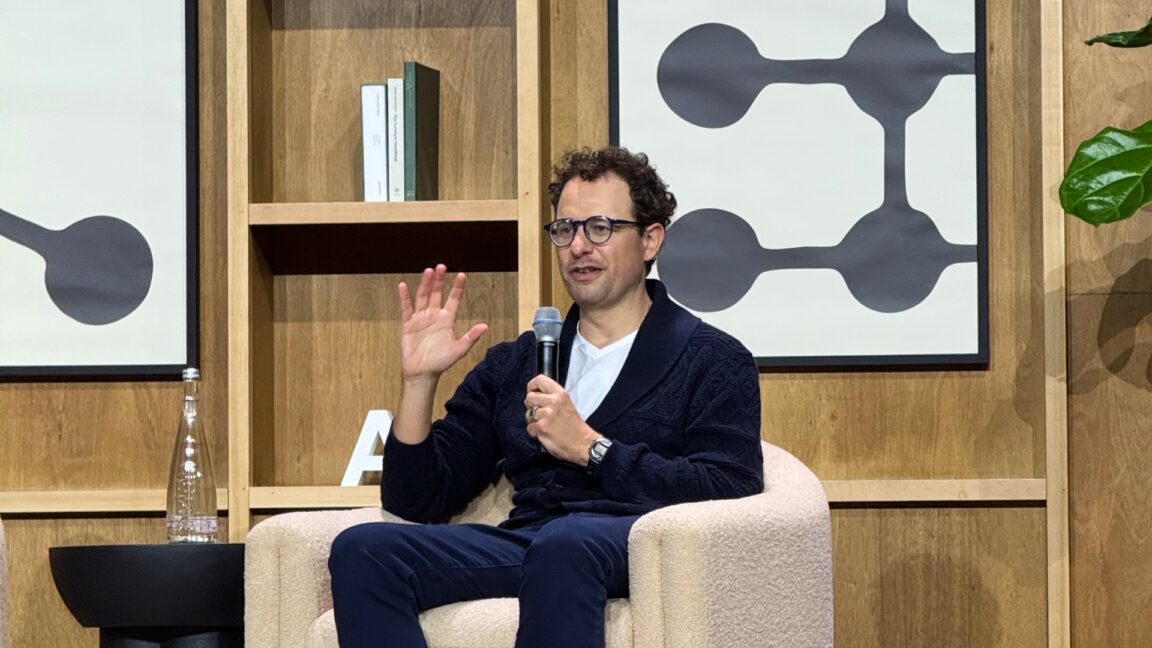
“It’s myopic in the extreme to think that no other competitors to Anthropic will develop similar capabilities to Mythos or even that they have not already done so,” says Tarah Wheeler, chief security officer of the specialized cybersecurity consulting firm TPO Group. “There are other companies hot on Anthropic’s heels who probably have the capabilities, too, and are holding them in reserve as they see how Anthropic is being treated in the current regulatory environment.”
Anthropic itself has emphasized this point since the launch of Mythos Preview. “The real message is that this is not about the model or Anthropic,” Logan Graham, the company’s frontier red team lead, told WIRED when Mythos Preview launched in April. “We need to prepare now for a world where these capabilities are broadly available in 6, 12, 24 months.”
OpenAI, for example, also did a private release of a cybersecurity-focused model in mid-April and announced an expanded cybersecurity strategy.
Researchers note that even before this next generation of models, existing AI offerings could be used for advanced vulnerability-hunting and exploit development with a refined harness. A large group of cybersecurity leaders emphasized this to the administration in an open letter on Sunday, arguing that the White House’s export-control directive was misguided.
“It’s not one model; it’s the general trend of technology,” says Bruce Schneier, a researcher at Harvard University and the University of Toronto who has been analyzing the situation. “Smaller, cheaper, open-source models, sometimes by themselves and sometimes in concert with each other, can match Mythos/Fable’s performance with more sophisticated prompting. And we should expect other models to match Mythos/Fable’s creativity and tenaciousness within months—slightly longer for open-source models.”
What the White House and governments around the world need to focus on, experts say, is democratically developing much broader and more transparent plans for how they will contend with advances in AI capabilities on cybersecurity and in other sensitive areas as they inevitably occur.
“The policy question is not whether a technology has risk,” says Chris Wysopal, cofounder of the cloud security firm Veracode. “The question is whether a specific restriction meaningfully reduces that risk or whether it mainly slows down the people trying to make systems safer.”
This story originally appeared at wired.com.