dailynewsnblog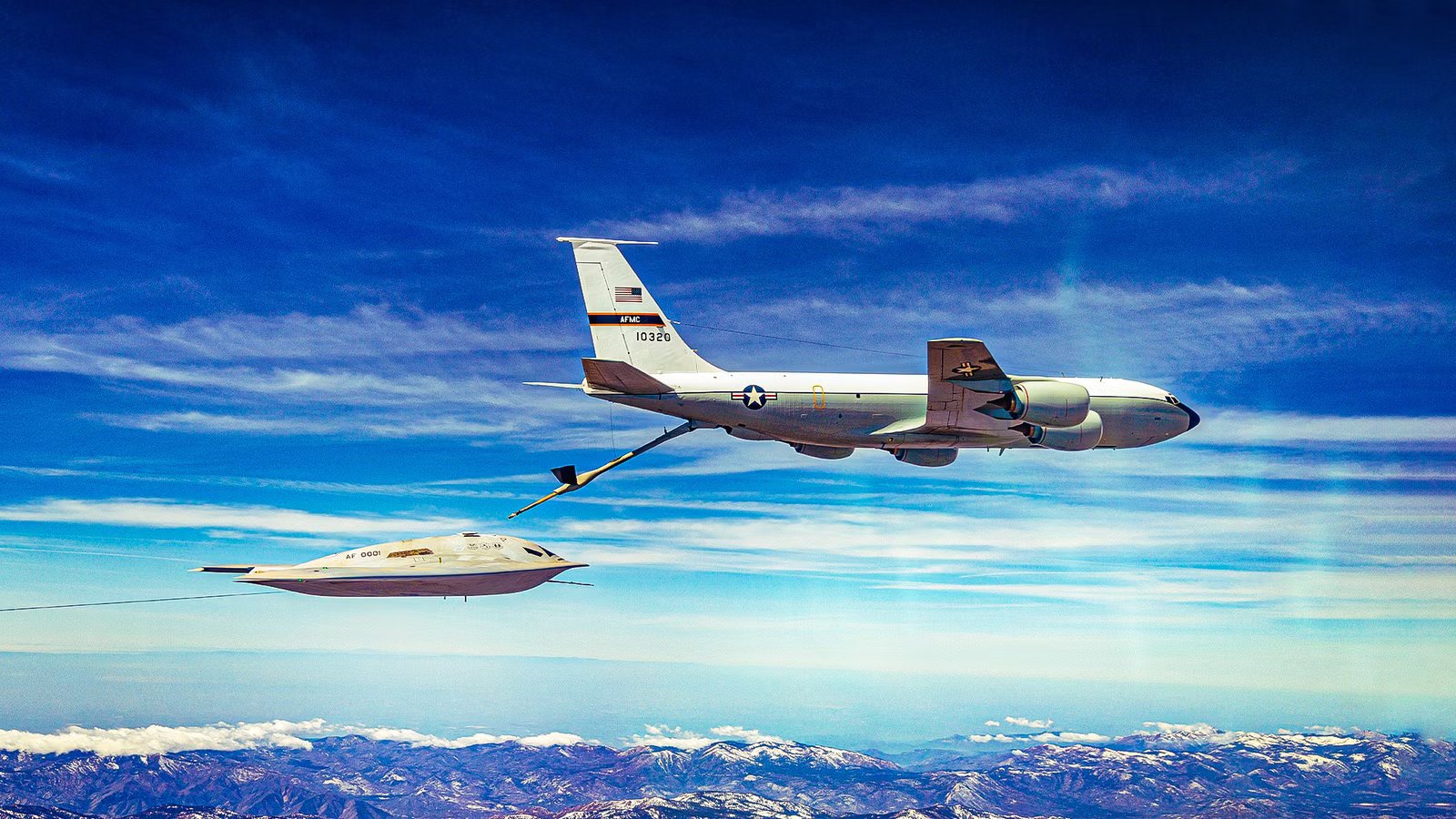
The Northrop B-2 Spirit is notoriously expensive to operate and has an exceptionally large number of required maintenance hours per flight hour. The Air Force is set to reduce, although not eliminate, these burdens with the incoming Northrop Grumman B-21 Raider. The B-21 is intended to be a generational upgrade over the B-2, offering increased all-aspect stealth, networking, more advanced stealth coatings, lower maintenance, higher sortie generation, and more.
The B-21 is designed specifically to be more affordable to operate than the B-2 and takes advantage of decades of technological progress, flying wing design maturity, and new digital design tools that enable better prototyping. At the same time, the geopolitical threat environment has reversed. The B-2 was designed during the stagnation and then fall of the USSR, which reduced the need for a high-end, expensive stealth bomber, while the B-21 is being designed during the rise of China and the return of Great Power Competition.
B-2 Spirit Maintenance Costs & Hours

The last GAO audit report that openly discussed the B-2 Spirit’s operational expenses was published in 2023. That report says the combined fleet (20 aircraft) spent 5,441 flying hours in Fiscal 2020 and that the average lifetime flying hours per aircraft was 7,469 hours in Fiscal 2021. The flying hours were reasonably stable between 2011 and 2020.
Since then, one aircraft has been written off, reducing the fleet to 19 operational examples. The total operating and support costs for Fiscal 2020 were $820.24 million, of which $403.14 million was maintenance costs. Other costs included continuing system improvements, sustaining support, unit-level personnel, and unit operations. Helpfully for this article, the GAO report also provided the operating and support costs per flying hour for the B-2 fleet.
The 2023 report lists the per flying hour costs at around $150,000, of which around $75,000 was maintenance costs per flying hour, and the balance was “other operating and support costs per flying hour.” Unfortunately, these numbers are for Fiscal 2020, making them somewhat outdated. Using a generic US inflation calculator, $150,000 is approximately $193,000 in 2026. However, military inflation tends to be larger than the overall average inflation, so the actual increase may be different.
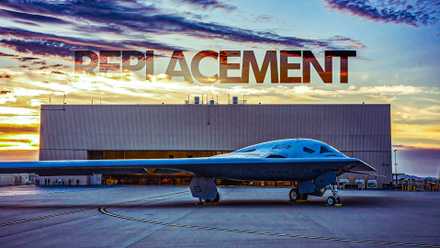
Here’s Why The Northrop Grumman B-21 Raider Is Replacing The B-2 Spirit
As the B-2 is aging, out of production, and not available in sufficient numbers, the Air Force needs a fresh next-generation replacement bomber.
The Costs Of B-21 Raider

While it is possible to be remarkably precise when it comes to B-2 maintenance costs and hours, thanks to generously transparent GAO reports, the same is not true of the B-21. The B-21 remains in development, and the Air Force now has at least two examples in service for testing. The aircraft is expected to reach Initial Operational Capability in 2027. For now, the operational costs and maintenance burden are neither disclosed nor known.
Current maintenance expenses for the test aircraft would not be representative of the mature maintenance costs after it enters service and support systems and trained personnel have transitioned. For now, GAO reports have mostly focused on acquisition strategy, program risks, and nuclear integration, rather than sustainment costs. The aircraft are expected to cost around $750 million each, which will make them much more affordable than inflation-adjusted B-2s, and around seven times the flyaway costs of an F-35A.
Simple Flying has also reported on the billions being poured into boosting the B-21 production capacity by 25%, and the billions being allocated to upgrade its three home bases to accommodate and sustain the B-21. Known expenses include $4.5 billion to boost production, $1.5-1.7 billion for Ellsworth Air Force Base, $1.6 billion for Dyess Air Force Base, and $600 million for Whiteman Air Force Base. None of these numbers is necessarily complete or final.
Why The B-2’s Operational Costs Are High

The Northrop B-2 Spirit’s high operational costs are not an accident. Meanwhile, the lower operational costs of the B-21 are intentional. The Spirit’s high costs are a mixture of doctrinal, technological, and procurement limitations and choices. The B-2 Spirit was designed as the United States Air Force’s high-end nuclear bomber able to penetrate the Soviet Union’s heavily defended airspace. Its emphasis was on a high-end system that was able to perform high-value missions, not on a workhorse able to perform high sorties.
In a conventional role, the B-2 has been used as the vanguard, the bomber that takes out sensitive high-value targets, including when strikes are time-sensitive and need to be carried out without warning. The US Air Force relies on its B-1Bs and B-52s to provide massed firepower and be the workhorses as the threat environment becomes permissive. The B-2 did not demand a low cost per sortie as it wasn’t intended to be used for many sorties.
The B-2 “hangar queen” also requires expensive air-conditioned hangars and an ecosystem of highly specialized tooling, training, and equipment. The Spirit is a product of its time, with its stealthy Radar Absorbent Materials (RAM) being costly to maintain relative to later stealthy aircraft. The Spirit requires around 50–119 maintenance hours per flight hour. The other major factor is the decision to only procure 21 examples, meaning the aircraft was never able to achieve economies of scale that would bring down individual costs.
The B-21 Raider’s Lower Costs

As stated, the B-21’s lower costs are intentional. While it will be the USAF’s primary nuclear-capable bomber, its main focus is high conventional sortie generation. The US developed the B-2 as a first-night asset, but that is expected to be insufficient in future high-end conflicts. The B-21 is designed to generate more sorties and carry out repeated strikes against high-value targets in heavily defended airspace.
Lower maintenance hours and expenses are imperative for the B-21 to sustain high sortie rates. The other ways the Raider is expected to reduce maintenance costs are that it is based on a mature design. The stealthy flying wing B-2 was a novel design for Northrop in the 1980s. Since then, Northrop has matured the airframe type, thanks to the B-2 and likely secretive ISR drones like the RQ-180.
The B-21 takes advantage of decades of improvement in stealth material technologies. While the B-2 needs a climate-controlled hangar, the F-35’s more advanced coatings are able to tolerate punishing environments like the salt air of carrier operations. The B-21’s RAM is expected to be a significant improvement over the F-35’s coatings. Finally, the Air Force appears committed to order at least 100 B-21s, perhaps more, and this will give it an economy of scale the B-2 lacks.
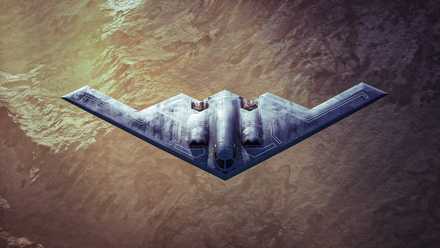
From 19 B-2 Spirits To 145 B-21 Raiders: How Much Bigger America’s Stealth Bomber Fleet Is About To Get
A $4.5 billion production deal signal the Air Force’s commitment to building its next-generation bomber
Comparison With B-52 & B-1B Costs

The 2023 GAO report lists the B-2 Spirit as having an operating and support cost of around $41 million per year and around $150,741 per flight hour. The 1950s-era B-52 Stratofortress’s maintenance expenses were listed as being much lower, but still significant. Each aircraft costs around $16.6 million in total operating and support costs and around $88,354 in costs per flight hour.
In the 2023 report, the Air Force had 76 B-52s in service with an average age of 61 years (in 2021). The fleet clocked 14,298 flying hours in fiscal 2020, and the airframes had an average of 20,193 flight hours per aircraft in Fiscal 2021. The report listed 62 B-1B Lancers in inventory for Fiscal 2020, although this has since been reduced to a target of 48, with the Air Force sometimes having to pull examples out of the boneyard to meet that figure.
US Air Force’s strategic bomber maintenance expenses (per 2023 GAO audit) | |||
|---|---|---|---|
B-52 Stratofortress | B-1B Lancer | B-2 Spirit | |
2020 flight costs per hour | $88,354 | $173,014 | $150,700 |
2026 flight costs per hour (inflation-adjusted) | Approx. $114,000 | Approx. $223,000 | Approx. $193,000 |
2020 costs per aircraft | $16.6 million | $19.02 million | $41.01 million |
The Lancer fleet was an average of 34.1 years old in Fiscal 2021, with an average total of 9,560 flight hours per airframe. The 62-strong fleet clocked 6,814 flight hours in 2020. The operating and support costs amounted to $19.02 million per aircraft in 2020 and $173,014 per flight hour. This is more than the B-2’s $150,700 and included a dramatic 38% jump in flight hour expenses relative to 2019 (the B-2 rose 10% and the B-52 rose 4.4%). It is unclear if the B-1B’s flight hour expenses have gone up or down since then, especially after the divestment of the most worn-out airframes.
Keeping The B-1B Until B-21 Matures

While the B-21 Raider is expected to be more affordable and easier to operate than the B-2 Spirit, this is still relative. It doesn’t mean the aircraft will be cheap or easy to operate; it won’t. The B-21 will be the most expensive and complex combat aircraft the US Air Force will be purchasing and will come with a very large logistics and maintenance tail.
It is designed to be operated from forward bases, although that is complicated by increased threats to its airbases and the need for dispersed operations. Dispersed operations and the US Air Force’s Agile Combat Employment doctrine will likely drive up maintenance expenses and complicate its operations. Initially, it can also be expected to have high operational costs, with costs decreasing as it matures.
While the B-21 looks forward to teething developmental issues, the Air Force’s fleet of B-1B Lancers is having the opposite problem. Decades of low-level flying in thick air have worn their airframes out, and they are becoming more expensive to maintain. Airframe fatigue is complicated by the variable geometry wing design. In its Fiscal 2025 budget documents, the Air Force had planned to phase them out between 2028 and 2032, but it now appears it will keep the old Bones in service until around 2037, when the B-21 should be fully mature.