dailynewsnblog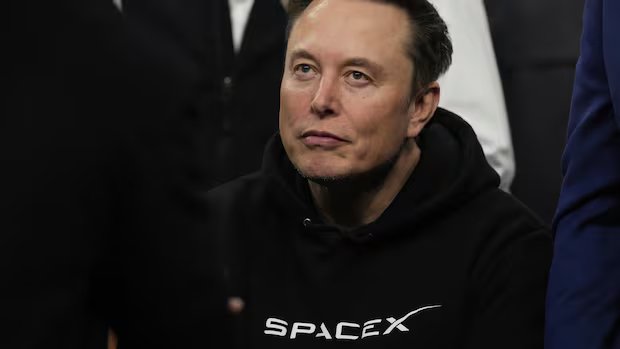

Listen to this article
Estimated 5 minutes
The audio version of this article is generated by AI-based technology. Mispronunciations can occur. We are working with our partners to continually review and improve the results.
IPOs have dominated headlines lately, as a number of high-profile private companies announced they will become publicly traded firms.
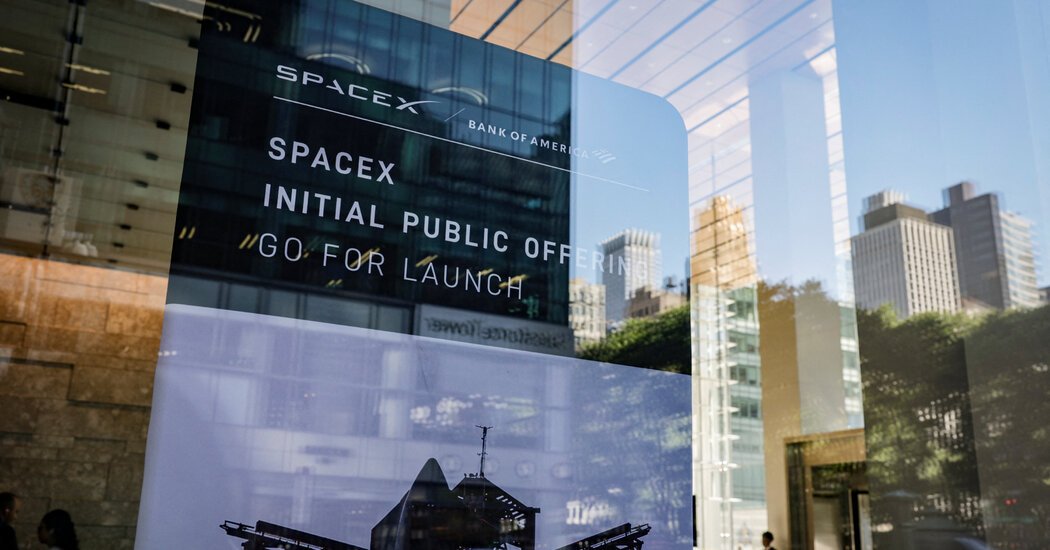
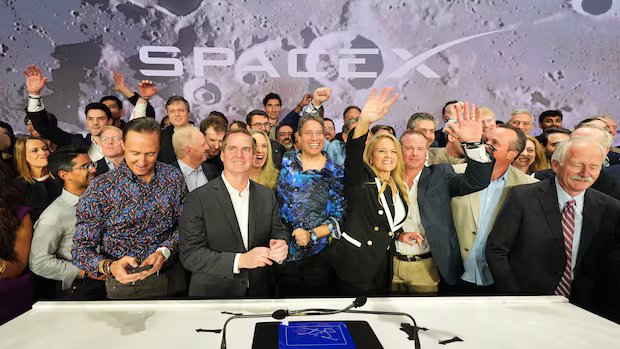
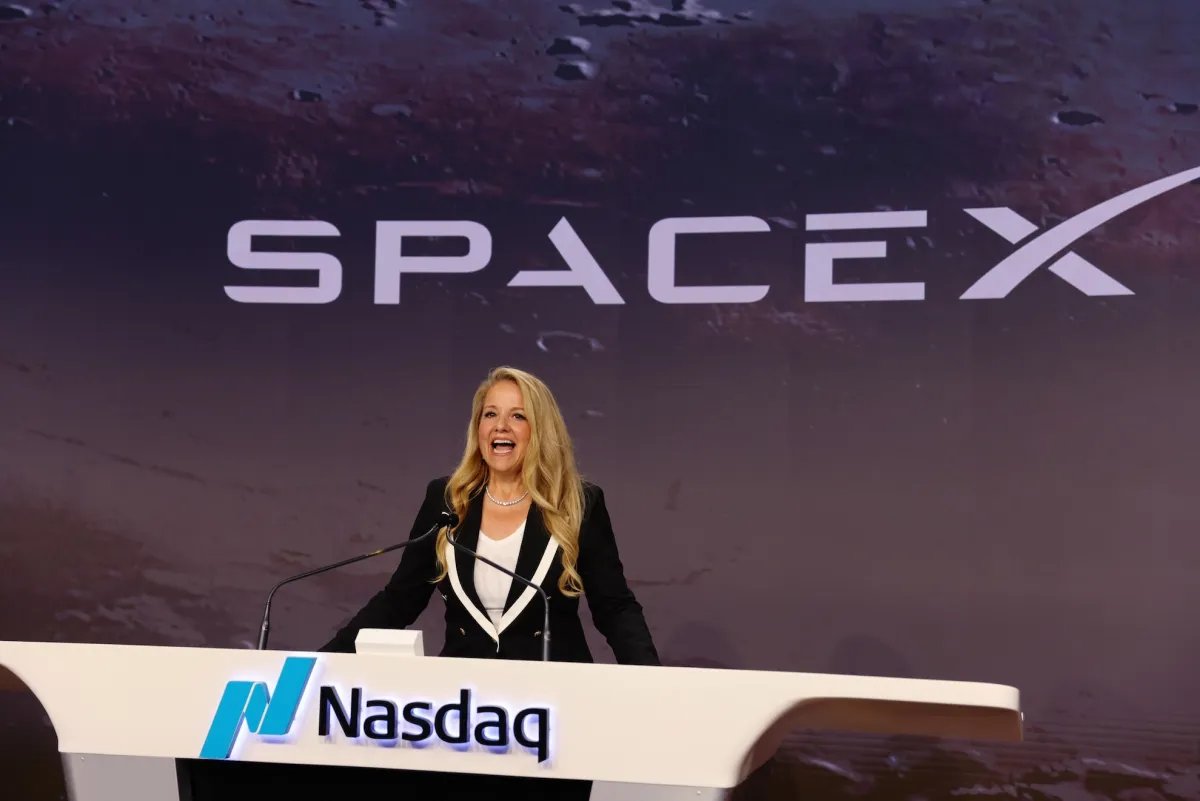
Much of the frenzy has focused on Elon Musk’s rocket-maker SpaceX, which could be a record-breaking IPO when it starts trading on the Nasdaq on Friday. There’s also tons of anticipation around artificial intelligence startups Anthropic and OpenAI — both have plans to go public in the months ahead.
The hype is hard to ignore — but could these IPOs fall flat? CBC News looked into how a company goes public, who benefits and whether buying in is a sure bet for investors.
How do IPOs work?
An IPO, or initial public offering, is the first time a company sells its shares to the public on a stock exchange. The process is also known as “going public.” Selling shares helps the company raise cash to grow its business.
IPOs let everyday people who are not professional traders buy shares — they’re sometimes called individual or retail investors. Anyone holding shares owns a piece of that business and could face financial gains or losses depending on the company’s performance.

Why are these IPOs getting so much attention?
The sheer size of these IPOs is unprecedented. SpaceX has set its price at $135 US a share, which would value the company at $1.8 trillion US. If the market debut goes as expected, it will be the biggest IPO ever. Anthropic and OpenAI are also looking at valuations of nearly $1 trillion US each.
These companies offer exposure to rockets, satellites and artificial intelligence. The massive demand for these IPOs has been fuelled by investors who believe these technologies could transform the world economy.
Despite that enthusiasm, some analysts have raised red flags.
Research firm Morningstar suggested that SpaceX is “significantly overvalued” and valued SpaceX at $63 US per share, a 53 per cent discount to the coming IPO’s offering price. In its own IPO paperwork, SpaceX wrote it has “a history of net losses and may not achieve profitability in the future.”
Stephen Foerster, professor of finance at the Ivey Business School at Western University in London, Ont., says Musk controls more than 80 per cent of SpaceX voting power, so he will be fully in charge of operations and strategy.
“It will be unusual in terms of not all the regular governance protections being put in place. So you’re really betting on Elon Musk.”
When a company goes public, who benefits?
Founders are the primary winners. Musk holds almost half of SpaceX shares — when the company goes public, those shares will be worth billions of dollars, and he’ll likely become a trillionaire. Venture capitalists and private equity firms who put money into the company early could also cash in. Employees who hold shares are set to collect millions. And investment banks earn big fees for organizing the IPO.
How do individual investors get a piece of an IPO?
Individual investors tend to have a tough time accessing shares at the IPO price – but recently, there’s been a shift. SpaceX allocated up to 30 per cent of IPO shares to retail investors, much higher than usual. And online brokerages such as Wealthsimple are allowing Canadian clients to request shares in the SpaceX IPO — though that doesn’t guarantee they’ll get them.

Elon Musk’s SpaceX has revealed plans to go public with what is expected to be the largest initial public offering in Wall Street history. As the majority shareholder, the world’s richest man could, through the offering, become the first-ever trillionaire.
Once the IPO happens, the shares will be listed on an exchange and available to trade. Individual investors can then buy in freely.
Even if someone doesn’t actively invest in an IPO, they may end up owning a company’s shares in some form. The Nasdaq recently relaxed its rules to allow newly listed companies to be included in the index more quickly. Anyone who owns a fund that tracks the index will likely end up owning a slice of SpaceX.
What risks do investors face?
Initial trading can be extremely volatile, with big price swings. If there’s intense public demand, that can drive share prices higher on the first day, sometimes known as an “IPO pop.”
Early investors can sell their shares a certain period of time after the IPO, which can push prices lower. For some SpaceX investors, that’s after the company’s second quarter earnings report.
Elon Musk and other significant institutional investors are “locked up” for 366 days after the IPO. It can take weeks or even months for a stock to find stability.

CBC’s Peter Armstrong breaks down what to expect with Elon Musk’s SpaceX initial public offering (IPO) — valued at $1.77 trillion US — and how an insatiable investor appetite for anything AI at the moment is fuelling stock markets despite a struggling global economy.
Foerster says investing in SpaceX is risky on three levels: it’s an IPO, not a company that’s been around for a long time; it’s technology that is mostly untested; and so far, its business is unprofitable.
“Once a stock starts trading, it could soar — or it could crash. There’s no guarantee. You could lose 100 per cent of your investment.”
How have other major IPOs performed?
Electric carmaker Tesla completed its IPO in 2010 priced at $17 US per share. Investors who bought $10,000 US worth of shares back then would hold shares worth about $2.5 million US today.
Remember Groupon? The daily deals site went public in 2011 with a price of $20 US per share, and spiked 35 per cent on the first day of trading. By the following year, the stock had lost more than 80 per cent of its value.