dailynewsnblog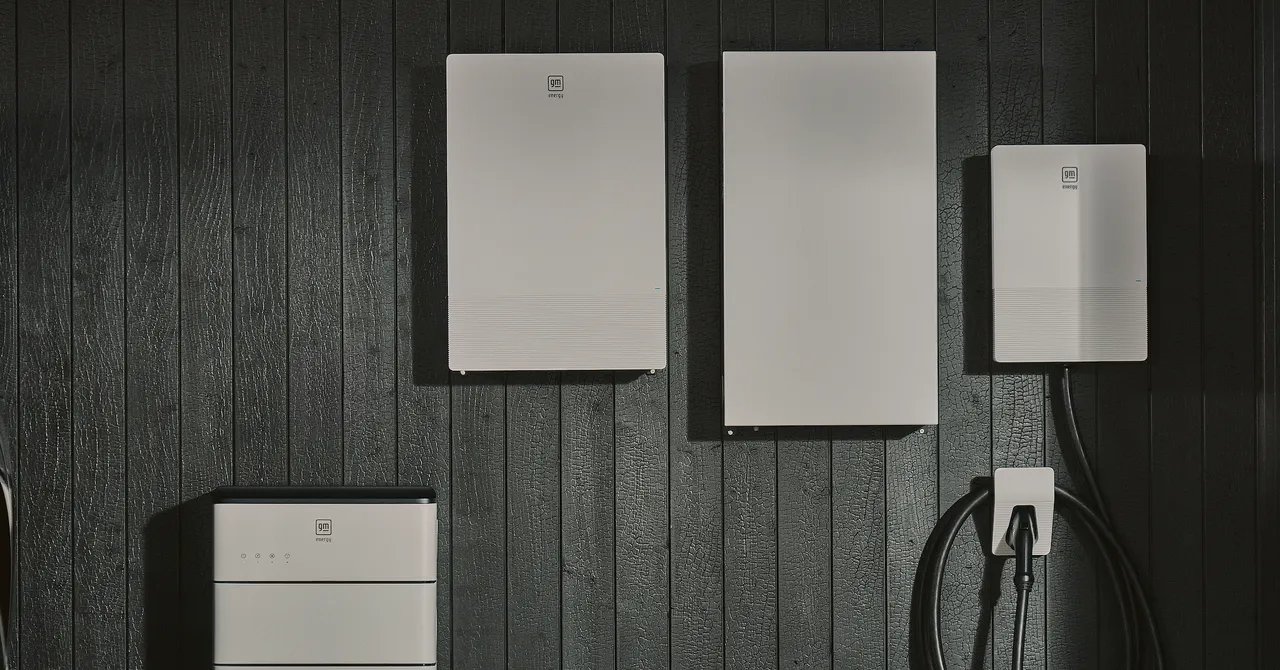
Still, Wade Sheffer, GM Energy’s vice president, insists: The reason more people aren’t using their cars to power their lives comes down to “awareness, awareness, and awareness.” To that end, at Tuesday’s event the subsidiary announced two partnerships with utilities: a “stress test” of bidirectional charging capabilities with 30 GM employees, enabled by Michigan’s DTE Energy, and a plan to get 52,000 GM EVs on PG&E’s major Northern California grid by 2030. The automaker says it has worked out dozens of partnerships with other utilities.
Still, getting all of those GM cars hooked up and contributing to the grid will be a long and likely winding road. Not all states are enthusiastic about EVs or new energy tech right now. And even in early adopter states, where lawmakers are gung ho about innovative climate and energy policies, vehicle-to-grid tech is still in its early stages.
It took researchers with UC Irvine several years of collaboration with Kia and Hyundai to get a vehicle-to-home charging project up and running in six Southern California homes. “Here we are two years later—not four weeks later—and utilities around the country are just beginning to address this,” says Scott Samuelsen, who directed the project and is a professor of mechanical and aerospace engineering at UC Irvine. “It’s very new.” The project hopes to discover how EV’s bidirectional charging abilities might fit into normal people’s lives—and, eventually, save them money.

In March, Washington state’s Puget Sound Energy announced a pilot program that the utility is hoping will teach it to work with new sorts of companies—auto manufacturers, vehicle charging firms—while supporting the wider electrical grid. The project will run through early next year. Key among the utility’s tasks is guaranteeing different automakers’ and charging companies’ equipment can talk to each other, using the same sorts of standards. Clint Stewart, a senior product development manager at PSE, describes himself as a “techno-optimist”; he believes bidirectional charging is coming at scale. But not right away. “I’d like to believe that in five years, we’ll be at a point where it’s relatively figured out,” he says.
On GM’s to-do list: ensuring customers have complete control of when their vehicles’ top the grid, so that they’re not stranded with no charge when they need to unplug and get somewhere. Eventually, the system might learn a car owners’ schedule and know not to suck out the EV’s charge right before, say, the kids’ soccer practice. There are a few things to work out.
GM Energy’s Sheffer is eager to meet the moment. “We have a once-in-a-lifetime opportunity to reshape how drivers interact with their vehicles and turn them into something more than just transportation,” he says.