dailynewsnblog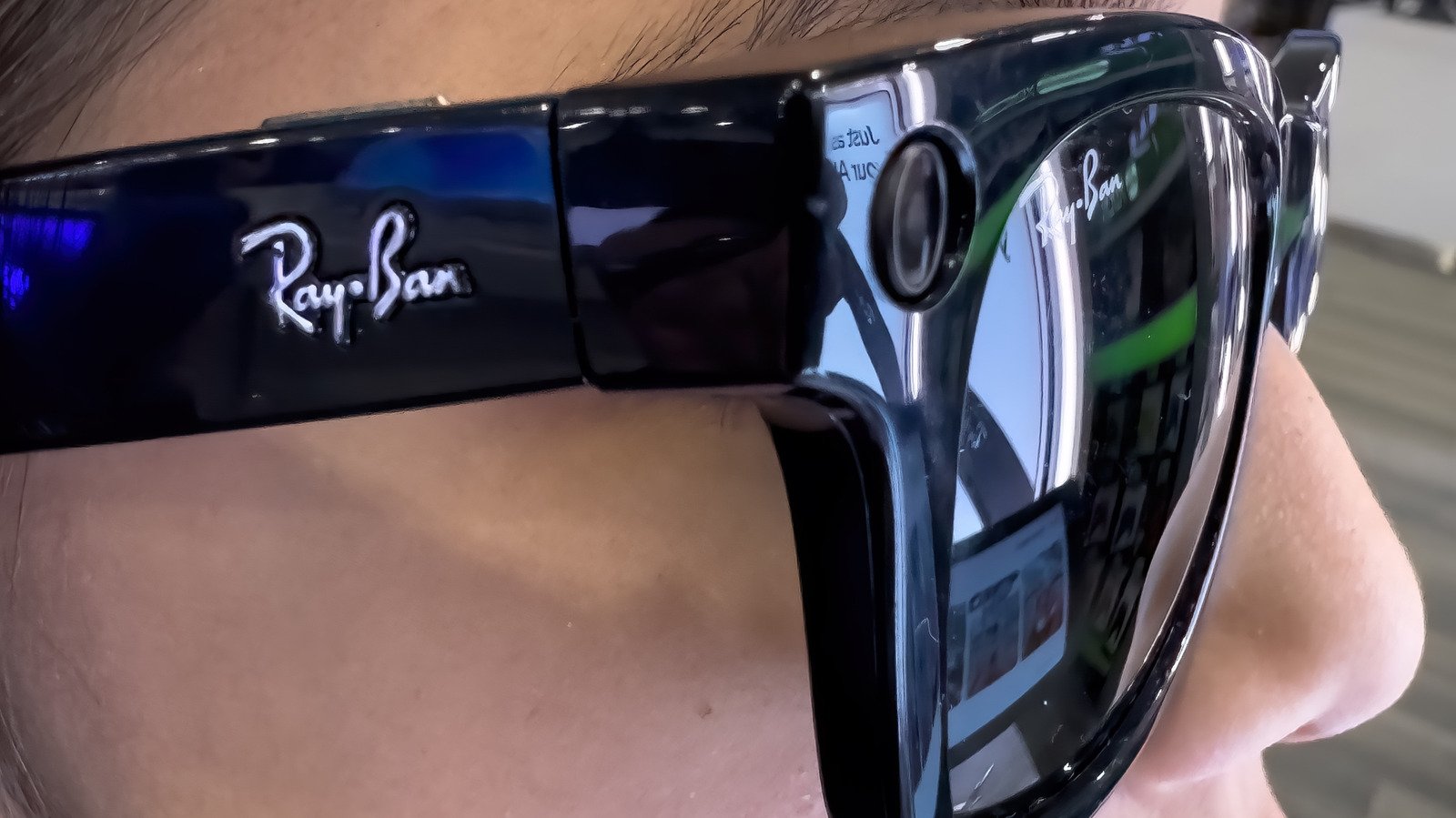
The ‘disappearing into the bushes like Homer Simpson’ strategy is a bold choice.
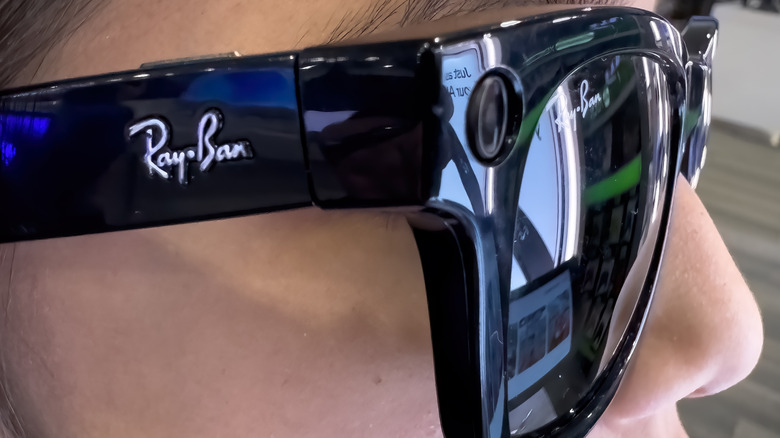
Only a day after a dormant bit of code that seemed to be a facial recognition algorithm was discovered in a companion app for its smart glasses, Meta released an update which removed that code, Wired reported. The publication had first uncovered the suspicious code, internally dubbed Name Tag within Meta, while reviewing code for a Meta AI app which handles some core features of the glasses. In other words, the same app necessary for pairing Meta smart glasses to a user’s phone over Bluetooth was also ready to start harvesting every face a user passed by while wearing them.
Wired uncovered the dormant tool on June 4. It contained algorithms which would have converted photos of faces into biometric identifiers stored on-device and cross referenced with each new facial scan. On June 5, an update was released which removed it entirely. In February, The New York Times had reported that Meta was working to bring facial recognition to its glasses. Given that the Times heard the internal moniker Name Tag bandied about at that time, the code discovered by Wired was likely the fruit of those efforts.
The workings of the tool suggest that it might have been intended as a way for users to more easily identify people they had previously met. A handy feature for forgetful folks, no doubt, but also an extremely creepy and invasive solution to a very common interpersonal dilemma. Most people would probably rather someone simply admit to having forgotten their name than to have their likeness ingested by a face-mounted camera.
Meta smart glasses are made in partnership with popular Luxottica brands including Ray-Ban and Oakley. They are already raising hackles, with manosphere-adjacent social media influencers using them to harass and record women. In December, a woman was accused of breaking a man’s Meta glasses on the New York City subway. Meta was also hit with a class action in March after a Swedish newspaper investigation revealed that Kenyan workers were reviewing footage from the company’s smart glasses — including sexual intimacy and bathroom use — which seemed to have been taken without the owners’ knowledge.
In a statement given to Wired on Monday, Meta vice president of communications Andy Stone was quoted saying that the feature was only a pilot effort and that the company had not made a “final decision on what to do here, if anything.” That may be true, but real Meta employees were paid real money to spend their time writing, reviewing, and shipping that code in a live product. That it was never activated is likely to be cold comfort not only for owners who may not want to turn themselves into mobile data harvesting tools, but also for the people in those users’ lives who may not want their faces unknowingly analyzed. The very fact that the code was so swiftly removed and PR statements issued suggests Meta knows it’s walking a tightrope with these types of invasive features.